Since their self-titled debut, which I reviewed, everyone has been longing for their follow-up, “Moisturizer”. I’ve heard a rumour that the band (which is actually a duo) is planning to release their own brand of moisturising cream, and this album has been released in conjunction with it. That could all be nonsense, but who knows? I must say, before I begin a more in-depth review, that I found it fantastic. It is fun yet tender, with catchy lyrics, playful references that we have come to expect from them, new soundscapes, uplifting, and plenty of love. As I mentioned earlier, they’re a duo, but I have just done some quick research and discovered they are now a five-piece band. It is always tricky to emulate the debut record, but they have avoided the second album blues. As I mentioned, it features new soundscapes, which make them more emotionally intimate, but they still retain their identity.
We begin with ‘cpr’, a song currently being played to death on BBC Radio 1 and Radio 2. It is a song about falling in love set to a high-tempo beat, driving guitars, and full-on rock. Let’s examine some of the lyrics. There is a part where frontwoman Rhian Teasdale says, “Hello, 999, what’s your emergency?…Well, the thing is…I’m in love’ was delivered in her trademark raspy and gaspy vocals. It is both cheeky and clever lyricism. It sets the tone for the rest of the album, which is based around love. The soundscapes include 80s pop-punk and, of course, 90s indie rock. They have been discussing very deep and emotional things, but they still maintain their fun side, so the listener remains engaged rather than getting discouraged from listening.’
liquidize’ follows, a track about anxiety and wanting to desire without delay, for example. “It’s not like me to fall over heels-I melt for you, I liquidize- I want you to want me all the time’ speaks to the majority of us because when we are infatuated, we want to rush straight in, and push things forward in a relationship before it is given a chance to breathe. ‘catch these fists’ is up next, and I absolutely love it. The leading single features fuzzy guitars and garage-rock foundations, accompanied by flirtatious and sometimes threatening lyrics. It is in-your-face with plenty of attitude.
‘davina mccall’ is a soft, romantic track that leaves us pondering its connection to a television presenter. The band’s use of pop culture references, such as Davina McCall, in the chorus, is thought-provoking. They have a knack for transforming what might seem like ‘mediocre things’ into something deeply personal, which shows their creativity. This was previously demonstrated when they incorporated numerous Mean Girls references into their self-titled debut.’
‘mangetout’ sees the band further flirt with new soundscapes, as they turn into half-post-punk, half-sensical slogans, and half-whimsical daydreams. It is sure to be a success when performed live. One of the great aspects of the record is the balance between sincere vulnerability and the band’s playful nature. The tempo slows during ‘pond song’, with bassist/guitarist Hester Chambers confessing that she has “never been so deep in love” over tender guitars and a dreamy soundscape.
Then comes the extremely intense ‘pillow talk’. This raw track with pulsing addresses wanting to do everything imaginable with a crush.
The last three songs condense everything that has come before. ‘don’t speak’ uses clever language, ’11:21’ acts as someone eavesdropping on a personal, and intimate late-night call, and to complete the trio is ‘u and me at home’, which is a sweet love song. It serves as a reminder that even though the last three tracks are more tender and downtempo, they reflect that the loudest statements of love are often found in the quiet.‘
Of course, their debut was littered with songs about partying, crushes, film references, playfulness, comedy, sexual innuendos, and quick-witted one-liners. Well, their second record still includes all that and then some. The songs are bigger sonically, revealing a deeper side.
It is nice to see that the band is not a one-trick pony and will be around for a long time. This album showcases the band maturing, but just enough to preserve their fun and humorous side.
Song recommendations: ‘catch these fists’, ‘cpr’, ’11:21’
A track-by-track review of the latest compilation by Oasis:
Disc 1/Side A:
Supersonic:
Noel claims to have written this in ten minutes during the sessions, and a dog called Elsa was present, which led to one of the lyrics. Although I enjoy this from the opening drums, I prefer the live version. Noel goes on a mad one and does an extended outro with a blistering guitar solo. Experiencing this one live is something special. I am still dumbfounded how it didn’t break the top 20 upon its release. It’s a timeless piece of music that we can all appreciate.
Roll with it:
From the very first drum intro, you are pulled in whether you like it or not. After this drum fill by Alan White comes Noel Gallagher’s signature guitar riff. Then comes the infectious chorus where you cannot help but join in as Liam Gallagher snarls.
I loved Liam’s vocals during this period. Powerful and raw. When I witnessed this song live during their prime, I could see the cocksure attitude Liam displayed onstage while singing this. I also sensed that he knew he and the band were untouchable at the time.
The lyricism is elementary. There is no profound exploration of the meaning of life. It is about living in the moment and not letting anyone disrupt it. You can see why this has become a stadium anthem that gets the crowd rocking.
The production features layered guitars, a solid bassline from Paul “Guigsy” McGuigan, and, of course, the excellence of Whitey on drums. It’s a song that’s ready to be belted out by the crowd in various venues, inviting every listener to become a part of the performance. There’s room for every instrument to take centre stage, creating an engaging and interactive experience. It also embodied what an anthem from “(What’s the Story?)Morning Glory” should be.
Live Forever:
I absolutely adore this song. It is without hesitation my favourite Oasis song. The lyrics are about wanting to live forever to counter the dark lyrics of the late Kurt Cobain during that period. And who doesn’t want to live forever? In the case of Oasis, they will. They are immortalised with songs like this. This track was the catalyst that led me to pick up the guitar and start writing. While everyone wanted to be Liam, I wanted to be Noel. That guitar solo still sends a shiver down my spine. It may not be the most intricate, but it sold learning to play for me. I feel sorry for Tony, though. In the obligatory video, he is buried before rising again after the guitar rings out. Was this a subtle to say he was going to be sacked?
Wonderwall:
I am not a fan of the single version or the live version with Liam on vocals. I prefer the Noel-sung version because he gets what the song means, and therefore delivers the correct tone and emotion. I will be missing that version until Noel heads back out on tour with High Flying Birds, whenever that may be.
From the outset, you are familiar with the acoustic chords, followed by the backbeat, which is hinted at in the lyrics during the second verse. A subtle electric guitar then accompanies this, before it flourishes into a crescendo of strings that sits within the production.
The lyrics, which carry a romantic essence, were shaped by Noel’s evolving aspirations over the years. The latest interpretation suggests that the song is about an imaginary friend who acts as a saviour from the creator’s own thoughts. However, as with any Noel-penned song, the interpretation is open to the listener’s imagination.
Of course, Liam is known for his snarl, which does not change even on such a delicate song. The only change is that he tones down the usual delivery. It is still there, but he understands he needs to display some vulnerability. It also demonstrates that he can deliver emotionally charged vocals—something which he seems to omit during live performances of the song, which is a shame.
Owen Morris and Noel sought a rich sound while maintaining the band’s swagger. The strings were also added with care to avoid saturating the sound, which can occur when a track is overloaded with instruments.
Stop Crying Your Heart Out:
This emotional anthem has become a fan favourite since its release from the 2002 album “Heathen Chemistry”, combining both the band’s raw emotion with a powerful, melancholic melody.
Noel’s focus for this track was on how we can pick ourselves up when life gets us down. The repeated advice in the outro to “stop crying your heart out” is a powerful reminder, urging us to persevere. It’s a call to action that empowers us, reminding us that we have the strength to face and defeat whatever is causing us a problem.
As with the majority of Oasis songs, ’Stop Crying Your Heart Out’ is shrouded in melancholic lyricism over uplifting instrumentation that builds as the track progresses, much like an individual bursting through the clouds and into the sunshine.
Of course, before the lullaby-esque final chords come the colourful guitar solo outro, which gives an element of hope and triumph; it also displays a mature side to Liam’s vocals as he sings delicately, save for when he is instructing you to get up off the floor.
Cigarettes & Alcohol:
Of course, the riff is lifted from T. Rex’s ‘Bang a Gong (Get it on)’ as mentioned in the introduction section. The song embodies wanting to forget about life and have it while drinking and smoking. It is just uplifting all round. Underneath all the bombastic is quite a political message, but it also says fuck it. Just live it up, drink, smoke and do cocaine. For me, the song doesn’t come alive until the outro. Liam singing that last verse with attitude and a snarl. I also like the guitar solo in the outro.
Songbird:
This was the first time that Liam wrote a serious song worthy of being released as a single. And there is no faulting the simplicity in ‘Songbird’.
Liam has said he has never been fond of the stripped-back tracks with acoustic guitars, but this song contradicts that. It is also removed from the usual raw energy of Oasis. The song also features a harmonica to aid the guitar and light brushes on the snare drum.
Lyrically, the track is an ode to a lover, which lends it a deeper meaning. The lyrics may be simple and repeated in the short verses and choruses, but they work. His vocal delivery shows that he is more than a snarling frontman and can display affection when it is necessary.
‘Songbird’ is not trying to be an anthem. The simplicity of it shows Liam’s ability to write a song with a simple melody and profound lyricism. It is also enjoyable to play on the guitar, despite its simplicity, which only has three chords.
Don’t Look Back in Anger:
The piano intro is partially taken from John Lennon’s ‘Imagine’. Noel has even admitted that was what he planned all along when he finally got into the studio. Before then, he had written it in a hotel in Paris. Rumour has it that Liam misheard one of the lyrics as “Sally”, so Noel decided to alter the chorus to use that name. He also met Aimee Mann and told her he wrote it, but she did not believe him.
After the piano intro, which sets the mood and tone for the song, a brief light guitar solo precedes the drum fill, followed by the whole band as the song enters its first verse. The track has grown into a fan favourite, regardless of the venue and whether it’s Oasis or High Flying Birds. Liam has also been known to perform it during his solo shows.
The lyricism is shrouded in mystery. Who exactly is “Sally”? Does it refer to an acquaintance in some capacity of Noel’s? Or is it a fictional character created for the song? All he has said is that it is about an individual looking back on life with no regrets. The chorus, with its irresistible allure, has led to many sing-alongs in various settings, underscoring the song’s impact.
I also love the guitar solo, followed by the incredible drum solo, which leads into the final chorus with perfect timing.
The Hindu Times:
This was the lead single from “Heathen Chemistry” in 2002, signifying that the band was planning to return with a bang. It had all the fuzz and reverb that we all knew from their heyday. Liam’s raw vocal snarl also returns after appearing almost tame on 2000’s “Standing on the Shoulder of Giants”.
‘The Hindu Times’ comes with the unmistakable wall of sound, complete with another huge chorus. In the verses, you hear new bassist Andy Bell’s solid bassline over Alan White’s pounding drums.
The lyricism showcases the confidence and arrogance of a band ready to rise after taking a step back on the previous album. Noel had regained his love and knack for songwriting.
The critics were not impressed that the band used a tried-and-tested method, but it was what the fans yearned for. The band they fell in love with during their rise.
Stand by Me:
This track was featured on the 1997 record “Be Here Now”. A love or hate album, as it was dubbed the ‘cocaine album’ by Noel. You can certainly see why, with layers and layers of guitars, the record comes across as overproduced. However, even with all that, ’Stand by Me’ was one of the standouts. Even better when performed live, whether electric or acoustic.
The reflective lyrics are what make this track stand out from the rest of the tracks on the 1997 record. Noel decided to incorporate vulnerability in the verses and choruses at a time when the band was at the pinnacle of its success, a testament to their unmatched confidence. Even bands like U2 were struggling to keep up during this period, a fact that makes us, as fans, feel even more connected to the band’s journey.
And then, of course, there is Liam’s vocal performance, who, despite having the signature snarl, encapsulates the meaning behind the lyrics, as evidenced by the audible emotion. You can sense that he feels the words as he sings them, and that resonates with the listener because they understand the song through their own experiences of feeling vulnerable and in turmoil.
The chorus is also another sing-along, which fans scream at the top of their lungs with an infectious passion. The bassline, orchestral flourishes, layer of guitars, and crashing cymbals are not smothered, like most of the “Be Here Now” tracks; somehow, they appear to elevate the song. And amidst all thIS, Liam’s vocals stand out, adding a unique and individual touch to the song, further fueling the energy and excitement of the live performance.
Lord Don’t Slow Me Down:
The song was released during a bridge from “Stop the Clocks” in 2006 and “Dig Out Your Soul” in 2008. It was released as a digital download only. The fuzzy guitar riff showed that the band were ready to release more material.
From the opening drums, the track is set up to be in-your-face, and that proves true as the fast tempo never drops. The guitar solo, a showcase of Noel’s experimental spirit, introduces a raw yet psychedelic sound reminiscent of the golden era of The Who and T. Rex.
The relentless acoustic and electric guitar riffs are complemented by a thick bassline, making the instruments feel alive.
The lyrics are defiant, matching the ferocious tempo of the instrumentation. Once again, the lyricism is steeped in that cocksure attitude we can expect from Noel’s mind. He prays that the Lord does not slow him down, as he wants to continue on this rollercoaster.
Noel’s vocal delivery in this song is a masterclass in emotional expression. He shows a snarl during the verses, a raw and sneering quality that we expect from his brother, as you would expect from a songwriter. Noel’s delivery is filled with a rebellious energy that perfectly captures the song’s tone. He grasps the meaning and knows when to convey the right emotions at specific junctures of the song, and he does so perfectly. The track is not pretentious in the slightest. It is steeped in blunt honesty. During a period when Noel was settled down and a father, he still had the fire in him to be defiant, rather than writing something more sedated.
Shakermaker:
I’m not a particular fan of this one. It is corny, yet at the same time, has a certain charm to it. It is also lifted from the 1971 Coca-Cola jingle I’d Like to Teach the World to Sing (In Perfect Harmony). Here is a little fact: Nowaysis covered both versions.
The song is also inspired by elements taken from Noel’s listening preferences- you have “Plasticine” from The Beatles, “Mr Clean” from The Jam and “Mr. Soft” from Cockney Rebel. He also references his local Mancunian record shop, Mr.Sifter. When the band perform this live, they occasionally include an extra verse with the Coca-Cola jingle. Noel was cheeky in how many references he used in this song and was fortunate not to be sued by more than just Coca-Cola Schweppes.
All Around the World:
A track that was in its infancy in 1992 finally made its way onto “Be Here Now” in 1997. The track has been dubbed their ‘Yellow Submarine’ moment, but I find that extremely harsh, as it is more alive than the Ringo Starr-penned Beatles song. To start, this is a stadium anthem; the sound is gargantuan. The intro is slow and subtle, featuring light piano, gentle strums of the electric guitar, and steady strumming of the acoustic guitar, before the drums signal the beginning of the first verse.
Liam’s trademark vocals were in full force during that tour, a period where he was unstoppable and relentless. His vocals were at their peak, hitting all the high notes and delivering powerful performances. Despite the snarl, there’s a certain innocence in his vocals in the verses. And the simplicity of the chorus, a signature of Oasis, never fails to cause a sing-along.
The track lasts 9 minutes and 20 seconds, but if you include the reprise, which was instantly added to the song live, it extends to what appears to be 15 minutes, and the people would all go home on a high after a thrilling ending. Noel finally knew he could write an outrageously long song that could still hold the attention of the listener and the audience. ‘All Around the World’ may lull in the verses, and have a quiet intro and be reduced to a plonking piano on the outro, but it is full-on elsewhere.
Noel was unapologetic during this record, and it’s evident in this song. He was not seeking moments of reflection, but rather self-assurance and utter confidence. A middle finger to what critics wanted the track to be.
Disc 2/Side B:
Some Might Say:
It is a classic indie rock song. Released in 1995 as the lead single from their second album “(What’s the Story?)Morning Glory?” and the last song to feature original drummer Tony Carroll, the track reached the top of the singles chart in the UK, which is quite bizarre given tracks like ‘Live Forever’ came before it. Despite being their second biggest song, it did not make number one, when it was more worthy than ’Some Might Say’. It, too, has become a stadium anthem for the band.
The lyrics of the song are deeply personal to Noel, reflecting his own life experiences and his battle with drug addiction. The chorus, with its emotional resonance, captivates its audience. However, as with many Oasis songs, Noel leaves the interpretation of the song’s meaning open for the listener to discover their own connection.
As for the music, you hear driving guitars, thumping drums, and of course Liam’s sneering yet melodic vocals. A guitar solo greets you at the intro, which sets up the rest of the song—not forgetting that anthemic chorus, which has uplifting lyrics about finding a brighter day.
During the breakdown, we hear a spellbinding guitar solo by Noel, adding more energy to the track. This is definitely one to listen to live, as there is an extended outro with Noel embracing the solo, accompanied by Gem, Bonehead, Andy, and Joey supplying the rhythm section.
Champagne Supernova:
A light electric solo joins a quiet acoustic guitar solo on the intro, and of course, the sound of waves leads us into the verse where Liam starts to sing. The track is not your typical in-your-face anthem by the band, but rather a slow-burning number that evokes a sense of calm, sending the listener into a state of tranquillity. Then, on the final lyric of the verse, the electric guitar thrashes and is joined by full instrumentation. Noel has often been accused of writing songs that are not complex, but here he demonstrates he can switch it up with an atmospheric soundscape.
The lyricism is surreal, containing lines like “Slowly walking down the hall, faster than a cannonball.” It is nonsensical, but somehow it conveys a meaning where there should be none. The lyricism draws you in, and somehow, you try to find your meaning behind the lyrics. I cannot tell you how, but it just happens. You will understand how it all works when you see it performed live.
Liam Gallagher also shines here as he tones down his trademark sneer for a more reflective, and melancholic tone before kicking it up in the chorus. And who can forget that dazzling solo by his brother Noel Gallagher? Witnessing it live is truly amazing. It may not be a virtuoso solo, but it is soaring and melodic, embracing the spirit of the song. Everyone is working together here, and it shows the band in their prime.
Of course, this was the final track on their sophomore record, leaving the listeners feeling elated. It also showed that the band were ready to move into the stadium setting. The song itself became an anthemic sing-along for the fans before the band walked off and returned to perform the encore. On the current tour, it acts as the finale, and why not? It is a great way to top off a gig.
Rather than having a catchy chorus, the song is about a sense of community. This was released only in the United States, and sadly, it was shortened to be radio-friendly, but you need to hear this in all its glory. Whether it’s the studio version or witnessing it live, it lasts over 11 minutes and features a blissful outro. The track is Noel’s finest work.
The Importance of being Idle:
Released in 2005 from the album “Don’t Believe the Truth,” this one was less about being a stadium anthem and more about the lighter side, with Noel taking over vocal duties.
Noel Gallagher gets the vocal delivery just right, where he talks about taking it easy against the relentless pace of modern life. The title is apt with the lyrics contained within.
The track is built on a simple, lightly strummed electric guitar. Something that Noel adopted more after “Heathen Chemistry” instead of the ferocious strumming before. He wanted his guitar playing to be more nuanced, reflecting his growing maturity and wisdom, as evident in the writing of the track.
‘The importance of being Idle’ is not vicious in tempo, but rather mid-tempo, reflecting the lyrics. It showed that Noel could turn his hand to lighter songwriting rather than the typical anthems. It lacks the brashness that Oasis usually exhibits, but it still gets the audience singing along nonetheless. It is also a pleasure to play this short song on the guitar. Even the soft songs still carry weight. The song was well-received by fans and critics alike, thanks to its catchy melody and relatable lyrics, which made it a standout in Oasis’s discography.
D’You Know What I Mean?
The leading single from 1997’s “Be Here Now” was a taste of what was to become. It gave us a sense of excitement as we waited for their third album. The drums on the intro are apparently taken from Public Enemy’s ‘Fight the Power’, and Noel is supposed to be a fan of the hip-hop collective. I think I read that in Paolo Hewitt’s book “Forever the People”. This song is like a guitar war as they layer with flanger, delay, and wah-wah, wanting to be the dominant axe in the track. Going back to the drums, Whitey drives this as he thumps the beat, and of course, Liam’s trademark sneer.
Noel, of course, leaves it all open for the listener to take away what the meaning is, and he drops a Beatles reference in, complete with an anthemic chorus fit for stadia.
The song remains great, almost three decades on, but it also serves as a reminder of how overproduced “Be Here Now” was. Noel only attempted to refix one track from the album in 2016, and he chose this. To be honest, with all the ridiculous layers removed, it sounds so much better. “Be Here Now”, produced in the manner this track was in 2016, could have made all the difference to the criticism the record has received since its release in August 1997, but hindsight is a wonderful thing.
However, it is a primal track beneath the layered guitars, and a band that had no plans to slow down during their prime. This track sounded amazing live during the tour, and less bloated. It unapologetically embodies the ethos of Oasis.
Lyla:
The lead single from 2005’s “Don’t Believe the Truth” acted as a defiant statement, and an ode to his then-girlfriend Sara. Oasis had regained the ability to make songs ideal for the stadiums.
The song contains driving rhythms and a sing-along chorus. There are layered guitars, but it does not sacrifice the raw energy that the band were known for during their hedonistic days. It signified a resurgence of vintage Oasis.
The vocal delivery is, as usual, the signature of Liam. He bellows out the chorus, and live this is in unison with the audience, who make his vocals soar as it seems to give him a boost.
The track is a quintessential Oasis anthem. It is catchy and has plenty of energy. When it was released as a teaser for the record, it was a thrilling sign that the band were back to their best, as they finally had a settled lineup for the first time since 1998, despite the teething problems they experienced during their headline set at Glastonbury almost a year earlier. The track has no heirs and graces. It is just pure rock n roll. The formula of Noel’s songwriting prowess is there for all to hear.
Let There be Love:
The track begins with a reflective and gentle acoustic guitar intro. Something not familiar with most Oasis tracks that are singles. The vocal collaboration between the Gallagher brothers is something to behold on the sublime ballad. Of course, Liam has most of the vocal duties, but Noel’s backing harmonies and co-lead give this track the emotion needed.
The instrumentation in this Oasis track is not your typical, but more restrained. Soft pianos over gentle acoustic strumming, accompanied by a light bass and tempered percussion, create a unique backdrop. However, it’s the vocals and melody that shine, drawing the audience in and making them feel connected. It’s an anthem of the band, but with a more gentle tone.
The lyricism is more reflective and more mature compared to the louder Oasis tracks. It also talks about unity. It is also quite odd to hear the brothers collaborating on such a track, given their volatile relationship during this period. In a way, maybe they were reaching out to each other about calling a ceasefire on their bitter war.
The track from 2005’s “Don’t Believe the Truth” doesn’t beat around the bush. It’s a clear demonstration of the band’s maturity. The track doesn’t meander with the message, but rather gets straight to the point from the opening verse. This directness is a sign that the band was capable of creating tracks that resonated with a more mature audience. This transition was perhaps inevitable as the band members were getting older.
This single showed that Noel could write songs about vulnerability as well as the usual ones about self-confidence and invincibility. Even the loudest of bands can have moments of introspection.
Go Let It Out:
After two years of hibernation, Oasis returned in the 21st century with the lead single ‘Go Let it Out’ from “Standing on the Shoulder of Giants”. It was not their usual explosive return, but more a Beatles-esque one. More of the Fab Four’s psychedelic era, as you can hear acoustic strumming over a mellotron, delicate strings, and an easy-going rhythm section. It caused a storm when they released it because most were expecting an anthemic explosion. Not something psychedelic.
Liam’s vocals are also tempered to match the mood. Even the chorus is not full-throated, but still has impact. The single matched the overall theme of the album.
Although the fanbase was not happy upon its release, it showed that Noel was willing to take the sound in a different direction, and despite all the criticism, it is still played live.
The song demonstrated that the band could move away from their big-venue anthems and do more reflective material, which showcased the maturity in Noel’s writing at a time when he had fallen out of love with writing and was battling the block. One from their underrated singles collection.
Who Feels Love?:
This one had more psychedelia with a sitar included to add to the effect. Overall, it featured light strummed acoustic guitar and hypnotic percussion, creating a dreamy Middle Eastern vibe. This was certainly more latter Beatles than early Oasis.
Again, Liam was willing to adapt to the mood with a more melodic delivery to match Noel’s searching vulnerability within the lyrics. The focus on Noel’s writing is loneliness, solace, and human connection. Again, the sound and lyricism demonstrated maturity and a more reflective tone.
As with ‘Go Let it Out’, the single also received a mixed reception upon its release. The fans were unhappy that the band were leaving behind the raucous sound they were known for. Many were underwhelmed with their flirtations of psychedelia, finding it “boring” and far too experimental. It did not chart as high as their anthems, which might have been down to the listeners rejecting a more tempered version of the band.
Despite all that, the song is an underrated masterpiece from their catalogue. They may have caused a disconnect with a significant portion of their fan base, but they should be commended for being willing to try something original. It showed that Noel wanted to explore one of the many influences on the soundtrack of his life. Give this one a go. Open your horizons because songs like this from “Standing on the Shoulder of Giants” are worth exploring to appreciate a different angle and broaden your musical perspective.
Little by Little:
Surprisingly, this is not my favourite from 2002’s “Heathen Chemistry”, but ‘Little by Little’ runs close. I have loved this song since I first heard it, and I enjoy watching High Flying Birds perform it. I also enjoy playing it, especially when I get to the breakdown. There is something satisfying about playing that section, but I cannot quite put my finger on what it is. The intro and the verses are hypnotic to me as I drift off to another place when playing it on the guitar. I love Noel’s apt emotional vocal delivery.
Noel’s warm and moody vocals don’t need any added attitude. He pours his heart into the pre-chorus and chorus, and the audience, in turn, finds their voice, singing it back to him during a live performance. This shared experience creates a palpable sense of community, where each member is an integral part of the performance.
The track is welcomed by a short electric guitar riff, followed by reverb, and then an acoustic guitar is delicately and quietly strummed alongside a gentle electric guitar. As the chorus creeps, so does the whole band, and of course, the Oasis soaring melody. Noel’s guitar solo is elementary, but effective.
This was when Noel’s playing became more nuanced. He did less ferocious strumming, adopting quieter downstrokes, which showed an artist maturing and taking it more easily.
The Shock of the Lightning:
This leading single taken from 2008’s “Dig Out Your Soul” is full on from the very first snare. It is fast-paced with a guitar riff during the intro and verses. It signified that Oasis were back with a bang. They wanted to show the world that they still had it, and they should take notice. It is no surprise that it was a huge success among fans on their previous tour and became an anthem. This was also the last track to feature Zak Starkey on drums, who perfectly matches the song’s tempo.
Liam’s sneering vocals of yesteryear make a welcome return. He never lets up. ’The Shock of the Lightning’ was quintessential Oasis that can only be played loud and encourages the audience to sing along to.
People had been saying the band had lost their identity because they were being more experimental and psychedelic, but this showed they still had that raw energy. It proved to be one of a few tracks from the album to display that.
She is Love:
Another single taken from “Heathen Chemistry” begins with a softly strummed acoustic guitar, which is the leading instrument besides Noel’s vocals. This ode to his then-girlfriend Sara oozes simplicity. Noel’s vocals are delivered in a warm and sincere tone. The backing harmonies do not suffocate the acoustic or Noel’s vocals.
The lyricism is Noel not trying to be fancy, but expressing how his heart feels for her. There is also a sense of psychedelia in the instrumentation that accompanies the acoustic.
Regarding “Heathen Chemistry,” this upbeat love song brings a sense of calm. It might not be a stadium/arena anthem, and it has never been played live in those settings, but it is a beautiful track that shows Noel can write a song where less is more.
Whatever:
How this was never included on an album is beyond me. It finally did make it onto a record, which, funnily enough, is the one you are reading about right now. ‘Whatever’ acted as a bridge between “Definitely Maybe” and “(What’s the Story?)Morning Glory?” when it was released in December 1994, and unfortunately just missed out on the top spot. The intro begins with an acoustic guitar, accompanied by piano, strings, a simple rhythm section, and an intermittent electric guitar riff.
Noel also departs from his usual to write an ode to liberation and the innocence of youth. Liam also tempers his vocals to match the wistful tempo. The chorus, a true Noel masterpiece, is a sing-along that has been joyfully belted out by the crowd countless times, creating a sense of unity and shared experience, regardless of the version.
The song itself has become timeless and is not tied to the era in which it was born. The strings really add to the colour. Some might say (ha ha!) the strings give it a cinematic feel without causing overwhelm. It is a track for all venues, and whatever (ha ha another one!) the weather.
The track shows Noel’s versatility and songwriting prowess. Oasis managed to find new boundaries in rock, yet still ensured the message did not pass the listener by. I love this song, full of optimism and joy. It deserved to be the Christmas No. 1.
I’m Outta Time:
This single from 2008’s ‘Dig Out Your Soul’ is melancholic and stripped back. Rather than the usual wall of sound, this Liam-penned song is an acoustic guitar melody. Over the delicate rhythm section, wistful guitars create a reflective mood. Liam bares his soul.
Liam’s vocal delivery is reminiscent of his late idol John Lennon, rather than his signature snarl. Liam shows his human side and highlights maturity in his vocals that is seldom heard.
In a record full of full-on rock and experimental, ‘I’m Outta Time’ gives the listener a chance to breathe and reflect. The song could also be seen as the band approaching the end of the original run, as it shows quiet contemplation and finding peace with the inevitable, rather than trying to hold on with the usual anthem.
Undoubtedly, this is a masterpiece from Liam’s songwriting arsenal, a gem that deserves more recognition. It’s a testament to Liam’s exceptional talent as a songwriter and his ability to craft a song that resonates with the audience. I can only hope that Oasis will recognise this and add it to their setlist, perhaps with the enchanting accompaniment of the Festival Crouch End Chorus, as I had the pleasure of experiencing in 2008. Their backing only served to enhance the song’s beauty.
Falling Down:
The current single, released in March 2009, is often overlooked for its psychedelia, yet it remains an integral part of their discography. It may not be an anthem, but it features sonic experimentation, even as the band approached the end of their original run.
The psychedelic landscape, a departure from their usual wall of sound, is polished and introspective. The motorik drum beat is joined by swirling guitars, angelic strings and shimmering effects, creating a sound that is engaging. Dave Sardy’s involvement in the album, particularly with ‘Falling Down,’ has resulted in a polished, expansive sound that takes the listener on a mental trip. The polished and introspective nature of the track encourages the listener to pay close attention to the lyricism rather than get lost in a loud sonic boom.
Noel, as usual, delivers this with his trademark vocals. You know? Reflective and philosophical. He talks about trying to reach out to God, but receives no answer, and pleads with Him not to waste his time if He cannot save him. Noel claims to be agnostic these days, rather than keeping his Roman Catholic roots, but this one has biblical references.
Was it also written about the band falling apart? Who knows. Noel likes to leave it all up to the listener to decide. It may be a more laid-back track, and might I add, my favourite from “Dig Out Your Soul”, but the message is potent. Noel was willing to push the band in other directions, mainly towards experimental and atmospheric sounds, as demonstrated on this one. Noel would further explore different avenues when he formed High Flying Birds in 2011. This song showed the band’s intriguing creative output during the chaos of the original run.
This recent atmospheric track stands alone from their usual stadium anthems. You cannot help but listen to it on the record or rewatch live performances of it, and learning something new every time from the meaning of the lyrics. Hopefully, Noel will revisit this with High Flying Birds at some point because it is a gem.
Don’t Go Away:
This was a single released in 1998, I believe for the American market only, and does not reflect the general mood of 1997’s “Be Here Now”. It is somewhat melancholic compared to the grand sound of the rest of the album. I love the raw emotion in this track, and it showed a level of maturity seldom seen during that crazy period.
It begins with an acoustic guitar, its gentle strumming setting the stage. An electric solo joins in, adding a layer of complexity. A light-fingered piano follows, its delicate notes adding a unique texture. As the composition progresses, the tempo ebbs and flows, drawing the listener’s attention to the heartfelt lyrics.
Noel’s is more direct and vulnerable as he wrote this ode to his mum at a time when she had a health scare. The title suggests that he hopes his mum is around while he is still alive. Liam’s vocals reflect how Noel envisioned delivering this ode, and his little brother excels at it. You can hear Liam’s voice crack as he sings the words to his mum. This is Liam shedding all of his rock star bravado and laying his soul bare, as his middle brother did with the lyricism—one of his best vocal performances.
Compared to the majority of their discography, ‘Don’t Go Away’ is a refreshing one. It reveals a different and much-welcome side to the band, showcasing their versatility and Noel’s exceptional songwriting. Liam’s profound understanding of the song’s meaning is commendable, making it a simply blissful ode to their mum.
Sunday Morning Call (Hidden track 2 minutes):
The 2000 single comes in two minutes from the transition of ‘Don’t Go Away’. Noel opted to make this a hidden track because he does not have a lot of love for it, despite playing it during the “Standing on the Shoulder of Giants” tour in 2000 and “Brotherly Love” in 2001. I do not know why Noel detests it so much, but for me, it is the best song from 2000’s “Standing on the Shoulder of Giants”, and was the beginning of Noel’s departure from heavy drug taking and heavy drinking. I call it the sober, mature song, because it is. It’s a quiet and reflective track.
The song begins with the gentle strum of an acoustic guitar and the ethereal touch of piano keys, all set to a melancholic melody that endures even as the full band joins in. Noel’s vocal delivery, once again, is successful. His voice, as it soars during the chorus, manages to maintain perfect harmony with the track’s mood, keeping the listener connected.
Noel has always been brilliant at matching the lyricism to the music when he takes over vocal duties. It is about the uncertainty of whether things will ever work out right. Maybe a reflection of himself, weaning himself off drugs, and being unsure if he could be strong enough never to stray.
The song fitted perfectly with the rest of the record. I love Noel’s versatility, and the band’s willingness to let him explore new soundscapes and more sobering subjects such as this one.
The song was never intended to be a sing-along or a crowd-pleaser, but rather for the listener to reflect on whether in solitude or at one of their gigs during that period—a very underappreciated, and undeservedly disregarded song. I often find myself listening to this because I do find beauty in the melancholy.
Song recommendations: Are you fucking serious? No chance. There are far too many.
I had never heard of James Marriott when I first embarked on listening to his second album for the review. I discovered he was a YouTuber, and I honestly had a look of utter disdain when I heard that because most of their music is terrible. However, that expression quickly changed. Apparently, his debut record, “Are We There Yet?’ is also worth a listen, and I will find a window at some point. The indie artist is constantly up against it as he is labelled a “YouTube musician, ” but “Don’t Tell the Dog” might send him on the road to being respected as a serious musician in the indie scene.
Upon my first listen, I was greeted by ‘Ventriloquist’, and the minute I heard autotune, I had to skip to the next track. My eyes already rolling, expecting the album to be fucking shit. But I found myself pleasantly surprised from then on as I heard indie music that kept my interest.
Songs like ‘It’s Only Love’ showcase his vocal ability and knack for writing hooks, and I disagree that it sounds like The 1975, a band he is heavily influenced by.
Save for the opener ‘Ventriloquist’, the only other weak tracks are ’Toothache’ and ‘Food Poisoning’, which lack that earworm chorus that would turn these tracks into setlist anthems. The guitars also lack drive in ’Toothache. ‘Food Poisoning’ is lyrically brilliant, foretelling the story of a rocky relationship, but as mentioned before, it lacks that chorus, which can be found on tracks like ’Something’s Wrong’, and on that subject, let me discuss that one in the following paragraph.
It is the standout track, with a clean yet driven bassline over the verse and James’ ability to use falsetto.
Another highlight from the album is ‘Plasticine, which showcases how catchy Marriott’s songs are. This one reminded me of Liverpool outfit The Wombats during their heyday. The Wombats have a knack for doing metaphorical lyricism and dance infused with indie rock, in case you were wondering how ‘Plasticine’ is reminiscent of their sound.
Of course, like any record, there are moments of reflection and downtempo, but the album shines through when James ups the tempo and turns up the volume controls. ‘Pillow Fight’ adopts elements of Pink Floyd in the chorus, where the track picks up. Of course, like most records, the closer is reflective. James pulls out the acoustic for ‘Limbs’.
“Don’t Tell the Dog” showcases James growing as a musician, and he might be around for much longer than expected. A serious musician within him is building a strong song catalogue. It will not be long before he loses that social media tag.
Song recommendations: ‘Something’s Wrong’, ‘Plasticine’, ‘Pillow Fight’
Before their stroke of fortune of being bumped up to Glastonbury headliners in 1995, and of course, the success of ‘Common People, Pulp had been plying their trade for over a decade with little success. However, their rise from playing pokey venues in Sheffield to performing in stadiums, and of course, being on the iconic 1996 Knebworth Oasis gigs, shows that with a little patience, you can get to where you want to be. The band finally found their home in the 90s, thanks largely to their counterparts Oasis making indie rock cool again. Jarvis was seen as an elder statesman of the scene despite still being relatively young in his early 30s. The band emerged from post-punk in the 1970s and began with a teenage Jarvis Cocker inspired by David Bowie, and Roxy Music formed the band in 1978 using the original name Arabicus Pulp. The band flirted with various sounds and had frequent lineup changes while trying to search for their identity that began to take shape in the late 80s.
Before the hedonistic days of the 90s, the band, despite their indie status, had a strong connection with their fanbase, which remained small but loyal. They released several singles and albums that explored themes such as adolescence, boredom, and sex, all tinged with melancholy. Interestingly, tracks like ‘Babies’, now a regular feature in their setlists, were born during this period, showcasing frontman Jarvis Cocker’s storytelling talent, lyrical prowess, and knack for crafting a hit that vividly depicts life in Sheffield and his time at St Martin’s College in London, where the iconic ‘Common People’ story began.
Then came the breakthrough years in the 1990s. Jarvis had changed the lineup during the mid-80s and brought guitarist Russell Senior, keyboardist Candida Doyle, drummer Nick Banks, and the late bassist Steve Mackey. Pulp finally found their wall of sound that would bear fruit in the following decade. That sound would include glam rock, art-pop, and lyrical storytelling, all delivered with charisma by frontman Jarvis Cocker, the band’s founder in 1978.
The band’s 1992 single, ‘O.U.’, marked the beginning of their success and appealed to a broader audience. This success paved the way for their 1994 album “His n Hers”, a collection of songs that featured relatable storytelling. Popular songs such as ‘Do You Remember the First Time?’ let the audience feel a personal connection to the band’s music. This is where frontman Jarvis, a witty storyteller, arrived, further enhancing the emotional connection between the band and their fans. “Different Class” followed a year later, and this is when things really took off for the band. ‘Common People’, which had a dig at the class divide, was fast becoming a frequently played song and evolving into an anthem for the band. ‘Disco 2000’ and the controversial ’Sorted for E’s & Wizz’ showed Jarvis’ witty and comedic storytelling over unforgettable melodies. The album would beat Oasis, among others, for the Mercury Prize in September 1996. It is also worth noting that their fan club president, Mark Webber, joined them as a guitarist/keyboardist in 1995 when they commenced recording the now legendary record.
Guitarist Richard Hawley became a touring member in the late 90s and early 2000s. The band appealed more to the misfits and quiet ones compared to the brashness and laddishness of the Oasis fanbase.
If you are new to Pulp, I would start with the iconic “Different Class”, but after, give “His n Hers” a listen to experience Jarvis’s lyricism with the band’s raw energy. You will realise why Pulp, even during their hibernation, has always been relevant in music conversations. Jarvis’ lyricism is like the poetry of everyday life accompanied by instrumentation. It also shows why they are still adored internationally—enough of the introduction. Yes, I could have mentioned the indie rock departure of “This is Hardcore”, but I was in danger of boring you. So, let us move on to the long-awaited record.
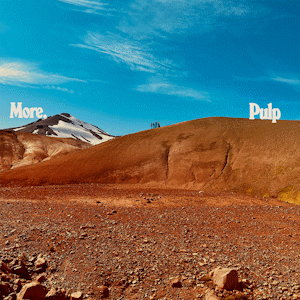
Pulp has finally completed its eighth album after a gap of twenty-four years between 2001’s “We Love Life” and now. It is also, sadly, the first record without their bassist, Steve Mackey. Although “More” addresses middle age daily life, compared to their iconic 1995 album “Different Class”, Pulp has not lost the magic that made them so popular in the 1990s.
From wanting to be noticed in their heyday, this album is more based on nostalgia than in the future. There are two tracks where enigmatic characters appear in ’Tina’ and ‘Grown Ups’ who seem to be individuals from Jarvis’ past.
Do not be fooled by the notion you are just listening to songs because with Pulp, it is more than merely instrumentation with nonsensical lyricism. The songs have always been poetic lyricism, and this record is no different. The tracks all formulate a meaningful story; sometimes, Jarvis delivers these in spoken word. Be it through the interludes or breakdowns during the tracks. Pulp is not aiming for chart success with “More” but is looking to structure the songs however they see fit while keeping the listener interested with the storytelling over various genres. This is not your typical pop-friendly album.
Despite not aiming for chart success, the band maintains a unique and unmistakable identity firmly embedded in their record. Each element contributes to the band’s distinct style, from Nick Banks’ driving drums to Mark Webber and Candida Doyle’s elan and Jarvis Cocker’s exemplary storytelling and witty lyricism. The band’s dynamic combination of these factors, however, is what truly excites and engages the audience.
The album explores several phases of human emotion. ‘Got to Have Love’ is what I would describe as a Smiths/Oasis/Killers song laced with melancholy over uplifting instrumentation. In this case, it is more indie-disco, like a fair few of their hits were in those heady days. ‘Farmers Market’ swings the mood with a romantic story encased by a piano and violins to bring it to life.
’Spike Island’ opens the record with a short, amusing story, setting a feel-good tone. ‘Hymn of the North’, the penultimate track, is a heartfelt tribute to their beloved Sheffield. The closer ‘A Sunset’ wraps up the album on a note of tranquillity, leaving you calm. Unfortunately, I haven’t had the chance to listen to the bonus track ‘Open Strings’ to see how it might alter the album’s ending. The verses in ‘A Sunset’ resemble the late Johnny Cash’s rendition of ‘Hurt’. Whether this was a deliberate homage from Jarvis or a happy coincidence, I can’t say.
“More”, for me, has something for everyone. It is not based in one genre. The lyricism and storytelling are outstanding, and I am excited about what comes next because it was worth the twenty-four-year wait. Despite the tragic loss of Steve Mackey, the band has not lost their touch, aided by their old friend Richard Hawley. Pulp is in rude health, and the impending tour will be fantastic. The magic is still there; they deserved to be at the top of the chart. Form is temporary, but class never fades.
Song recommendations: ‘Farmers Market’, ‘Hymn of the North’. ‘Got to Have Love’
I must confess that due to the band’s rich history, it is difficult to write a brief introduction to Pink Floyd. So strap yourselves in because this is going to be a long one before I finally get to the review.
When you think of Pink Floyd, you think of more than psychedelia and progressive rock, deep lyricism, and sonic innovation. You think of extravagant light shows, brilliant cover art, and far-out films. Despite the band being currently dormant, their music still resonates to the present day.
Pink Floyd’s journey begins in the swinging 60s(1965 to be precise)in London, with the original members consisting of the late Syd Barrett, Nick Mason, Roger Waters, and the late Richard Wright. The band’s sound was a product of the psychedelic experimental era, with Syd’s whimsical lyricism capturing the essence of the time. The perfect example of this influence was ‘Arnold Layne’ and ’See Emily Play. The band was already setting itself apart from anyone else, creating a deeply nostalgic sound of the 60s era.
Of course, as most bands will experience, they were faced with adversity when their chief songwriter, Syd Barrett, who had his demons, departed in 1968. However, his departure became a key moment in the band’s wall of sound that would follow. David Gilmour would be recruited, and his blues-inspired guitar work and soulful vocals would send the band on a more progressive rock trajectory, and the songwriting would also become structured.
The band’s best period would be the 1970s, with a string of iconic albums, such as the masterpiece “The Dark Side of the Moon”, which fearlessly addressed subjects such as madness, greed, and mortality. The thought-provoking lyricism, soulful vocals and ambient soundscapes hooked listeners in, and it is not hard to see why it became a best-selling album. This was followed by “Wish You Were Here”, a tribute to the departed Syd Barrett and a critique of the music industry. “Animals” was next. A record inspired by the late George Orwell’s Animal Farm novella, with the band becoming more political. Each album showed the band’s courage in addressing more complex and controversial themes.
The final album released from this period would be 1979’s “The Wall”, a rock opera thought up by Roger Waters that explored controversial themes like dictatorship. The record would be a stage show, and a film that featured Boomtown Rats’ frontman Bob Geldof taking the lead. It showed that the band were more than just music.
The band would face more adversity when the late Richard Wright departed, and Waters would be embroiled in a legal battle with the remaining members. Even though the band appeared to be in turmoil, Gilmour would become the leader for 1987’s “A Momentary Lapse of Reason” and 1994’s “The Division Bell” Waters and Gilmour would become bitter enemies for several years while the legal battles swirled.
It wasn’t until 2014 that the band set aside their differences and returned to the studio to record “The Endless River”, an album focusing on instrumentation that remained unreleased from “The Division Bell” session during the early 1990s. It is their final album to date.
As mentioned earlier, the sleeping giant is more than just a band. They are innovators who pushed the boundaries of their use of sound and technology; they are films and embody the concept of art. Their music still resonates with listeners regardless of their age. The reason being not only for their progressive rock, but also for their ability to address complex and controversial issues. From the beginnings of psychedelic rock to being more experimental during their later records, they remain one of the most influential bands in music history and their legacy is cemented.
Now, let us begin the track-by-track review:
Pompeii:
Not much to explore here. Just a brief instrumental.
Echoes Part I:
As you can imagine, there is more room to play with live, so the band makes the live performance last more than ten minutes. The second verse stands out with David Gilmour’s axemanship, which sends shivers down your spine. The song ends abruptly after an extended guitar solo from Gilmour, and later on, you will find out why.
Careful with that Axe, Eugene:
The song has a lot of keyboard noodling by the late Richard Wright, but it goes from mellow to Roger Waters letting out a bloodcurdling scream during the frenetic section, before returning to mellow ambience.
A Saucerful of Secrets:
We encounter a unique melodic complexity as we reach the midpoint of the live album remix. While it may seem discordant, this very element is what piques the listener’s interest, turning the experience into a journey into the avant-garde nature of the song. Gilmour’s heart-wrenching wordless harmony over the final organ chords is not just a standout; it’s a moment that genuinely moves the listener. And let’s not forget Nick Mason’s drumming on the live version, which is equally captivating.
One of These Days:
It may lack the polished crescendo of the studio version, but the live version shows their ability to translate the complex soundscape onstage. Once again, Nick Mason is the standout performer, with David Gilmour dominating the second half with his effortless guitar playing.
Set the Controls for the Heart of the Sun:
The highlight of the concert. It perfectly captures their spooky and hypnotic vibe. Their dynamic soundscapes are fully displayed, showing quiet introspection into those intense and powerful crescendos.
Madomoiselle Nobs:
It seems out of place with the concert so far, despite Gilmour’s harmonica.
Echoes Part II:
As mentioned earlier, the song is split into two sections, and after the abrupt end comes the cosmic seagull section. The standout is Gilmour’s guitar performance leading into the final verse. It seems odd to split this one because it sounds much better and makes more sense in full.
The remastered 2025 version concludes with an alternate take of ‘Careful with that Axe, Eugene’, and the unedited version of ‘A Saucerful of Secrets’
Overall:
Despite the inevitable flaws of live performances, this album perfectly encapsulates the band’s experimental spirit, extended instrumental jams, and dynamic soundscapes. It’s an album that would truly come alive under the influence of a hallucinogen, with the instrumental jams conjuring up some truly eccentric images. This record will undoubtedly resonate with the Pink Floyd connoisseur, offering a unique experience that may prove challenging for the casual listener due to the lack of lyricism.
Song recommendations: ’Set the Controls for the Heart of the Sun’, ‘ A Saucerful of Secrets’, ‘Careful with that Axe, Eugene’
I, like many, have been looking forward to the return of Stereophonics after frontman and chief songwriter Kelly Jone explored a different creative avenue with Far from Saints. The burning question was, which direction would the band explore? Well, their new album, “Make Em Laugh, Make Em Cry, Make Em Wait” was recorded in the legendary halls of Stylus, RAK, and Metropolis studios in London, promising something original as they returned to recording together.
It was surprising that they returned with a record consisting of eight tracks, which is quite short for a long play, and therefore, it created a little apprehension. Would these eight tracks feature the explosive energy we have become accustomed to from the Welsh rockers? (I say Welsh Argentinians are also in the band.) To put it bluntly, the answer is a nuanced album.
While it has fleeting moments reminiscent of anthems such as ‘Bartender and the Thief’, the record takes a bold departure from Phonics’ previous styles. It leans more towards an introspective and subdued version, a shift that may intrigue and challenge listeners. It embraces the melancholic beauty of tracks like ‘Maybe Tomorrow’. This unexpected direction may not align with people’s initial expectations, but it certainly opens the door to a new, open-minded listening experience.
However, every cloud has a silver lining, which can be found in Kelly Jones’s songwriting prowess. The slower tempos and stripped-back arrangements allow his storytelling to shine. His trademark gravelly vocals, with a lifetime of experience, cut through the instrumentation, showing his more fragile side that commands your attention. Kelly is one of the great songwriters of our time, and through this album, you can appreciate his craft.
What “Make Em Laugh, Make Em Cry, Make Em Wait” lacks in raucous energy; it more than makes up for with its profound lyrical depth and emotional resonance. While some fans may have been hoping for the band’s explosive, more vintage tone and might be surprised by the subdued pace, those with a more open-minded approach will find solace in the album’s introspective sound. This record may not be filled with the stadium-rocking anthems we were all expecting, but it’s a testament to Kelly’s enduring talent and the band’s emotional journey. After a few listens, the record grows on you, offering a glimpse into the heart and mind of one of the top Welsh songwriters.
Song recommendations: ‘Colours of October’, ‘Backroom Boys’, ‘Mary is a Singer’
Several years ago, Elton and Brandi’s professional relationship blossomed into a deep friendship. Elton, never one to hold back his admiration, often praised Brandi’s unique songwriting, her raw vocal delivery, and her ability to tell stories through her music. What truly drew him to her was the reflection of his own passion in her work, a musician who sang every note with the same fervor as he did.
As for Brandi, she has cited Elton as having a profound influence on her. She likes how Elton is flamboyant onstage, dedicated to his craft, and outspoken when asked his opinion on tricky political subjects.
As I mentioned, this is more than just a friendship between musicians; Elton has often spoken about her during interviews, showering her with praise for her exceptional talent. Elton’s admiration for Brandi’s artistry is truly inspiring. He has also championed Brandi by inviting her to perform at charity events. Thanks to his mentorship, Brandi has flourished in her career as one of the leading artists of modern Americana.
When these two worlds collide, as you are about to discover, they blend their styles, creating a powerful and deeply moving sound and combining his iconic vocals with her soulful harmonies. Something that has been witnessed when they have performed live together. Now, let’s get on with the review of this brilliant collaboration album:
Disc One/Side A
The Rose of Laura Nyro:
What a great way to kick off this record. The slow build-up reflects my listening experience. I had only just started to listen, so I needed time to settle in, and this track allows you to do that. Then, as the verse enters, the bass drum and electric guitar lock into a powerful synchronisation, driving the music forward.
Little Richard’s Bible:
A fitting tribute to the late vocalist because it matches the energy he used to perform with. There is also an easy rhymic section for the listener, who might not have good rhythm. However, I cannot see them falling out of time with the tambourine. Little Richard tracks are laden with fast piano riffs, and this track is no exception. Elton playing equisitely.
Swing for the Fences:
From Elton’s rock n roll fast tempo playing to Brandi’s vocals. Elton harmonising adds to her vocals. The song addresses how people should be who they want to be without holding back—an upbeat track with motivating lyrics and a chorus that sticks in your head.
Never too Late:
As the album’s first half nears the end, the tempo drops off, but Elton still manages to show why he is considered one of the best piano players in the world, with Brandi complimenting his vocals.
You Without Me:
It’s clear that this record, much like a vinyl, was crafted with a soulful touch. Brandi’s solo performance in this slow-paced, easy-listening track delves into the emotional complexities of being a parent and a music artist. She poignantly shares her struggle of being away from her children as they grow up. Her delicate strumming not only complements the message but also evokes a sense of empathy in the audience.
Disc Two/Side B
Who Believes in Angels?
Another slow burner to ease the listener. A sublime duet about the friendship between Elton and Brandi, but is done in a way that could apply to the listener’s friendships—Brandi’s vocals and lyricism link up well with the keyboard.
The River Man:
Yes, you’ve heard of a High Flying Birds track with the same title, but this one has its own unique musical journey. The song starts with a gentle guitar and backing vocals, gradually building into a jazz-infused masterpiece. The only other similarity with the High Flying Birds track is the jazz section, but each song has its own distinct charm. What truly stands out is the powerful chorus, where Brandi and Elton’s vocals blend in perfect harmony, a testament to their musical chemistry.
A Little Light:
Just as the record on disc two/side B begins to soar, the tempo dips, but with great lyricism with the message of keep on keeping on during the hard times.
Someone to Belong To:
The penultimate track matches the same tempo as the previous track, and once again with great lyricism. For me, it acts as the continuation of ‘A Little Light.’
When This Old World is Done with Me:
A beautifully melancholic way to end the album. This track, is a reflective piece on mortality. Elton, alone with his thoughts, sings about accepting his inevitable fate, his words resonating over the contemplative piano, inviting the listener to ponder their own mortality.
Overall:
I have been a keen listener of Brandi since her debut on Later…with Jools Holland in the 2000s. After seeing documentaries about her, her band, and her family, I also find her a very warm and cool person. My only complaint is that the record’s second half doesn’t pick up that much in tempo. However, this studio collaboration has been a long time coming, but it delivers in every way. Another example of two great artists coming together in the studio to create magic that formulates into something truly special. It was worth the wait.
Song recommendations: ’The Rose of Laura Nyro’, ’Swing for the Fences’, ‘When This Old World is Done with Me’
As you may recall, their last album was a unique creation, structured as a therapy session with a psychiatrist. This innovative approach was a testament to the band’s creativity. Now, with their fifth album, the band has truly taken off from their previous record. Robbie Williams, a notable figure in the music industry, has even become a fan and will have them support him on his summer tour. The band has also collaborated with some very familiar faces on this album, and we’ll delve into those in the track-by-track review.
Let’s get into it:
Superpower:
The shortest track starts with a public service announcement and maintains that vocal style in the verses. Co-vocalist/bassist Katie Lloyd then takes the lead, showcasing her vocals in the chorus. The track also highlights her bass expertise over Thom Rylance’s conscious lyrics, which delve into the importance of self-acceptance. The song also references the acronym behind “KOKO”, a phrase used by Liam Gallagher in ‘I’m Outta Time’ for the latest Oasis record “Dig Out Yer Soul”. The phrase, “Keep On Keeping On”, might have led some of you to wonder if it was a nod to a Camden venue.
You Again ft Jon McClure:
As you can see, the second track is a collaboration between the Reverend and the Makers frontman, Jon McClure, and, yes, he is related to Vicky. I know someone who is friends with her, and I had to ask the question. Anyway, ‘You Again’ was the teaser for the album. The track itself is about someone or something from the past that never seems to fade away, so we find ourselves thinking about it frequently. As with the opener, the sobering lyrics are concealed behind a groove instrumental.
Panic Attack:
If you have never experienced a panic attack, this track goes in-depth into what happens when it happens. Thom is known for spoken word and rapping during the songs, but this one is just him singing, showing he has more to showcase. In the final chorus, Thom is joined by children who provide backing vocals. ‘Panic Attack’ eases off that groovy/funky instrumental, which is quite apt when you consider the subject matter.
UFO:
I found the video pretty funny, with this young lad making friends with a child alien. Above all, there is a tremendous duet between Thom and Katie. This time, there is no groovy/funky instrumental, but a downtempo instrumental to match the lyricism.
Ragdoll:
I could not believe who I thought was accompanying Katie. I thought it sounded like the guy from Nickelback, and sure enough, it was indeed Nickelback frontman Chad Kroeger. I never expected that in the slightest. This is not just because the popularity of Nickelback has abated over here but also because it just appeared to be an unlikely collaboration. It is quite refreshing to see an artist from across the pond collaborating with an independent band. Chad’s role in the song includes a back-and-forth romantic duet with Katie. The instrumental has a Nickelback-esque feel, making the track powerful and raw.
Struggling:
The album title is referenced throughout, so you would be pardoned for mistaking it for the title track. I am also guilty of it. When I saw the name, I thought it was a mistake and that it was indeed the title track. One of the rawest songs on the record, addressing the struggles we face in life. It has the same vibe as ‘UFO’ but remains uptempo.
Turn Around:
Their latest single has a summer and festival feel to it. This will go down well at those open-air venues they will be playing on tour with Robbie in the summer. You would have also heard this one being played to death on air at the moment.
Monaco:
Again, this follows the same vibe as the previous track. It’s apt to be titled ‘Monaco’ because you associate that principality with sunshine and glamour. Even though both tracks have hard-hitting lyrics, the disco element makes for an uplifting mood.
Three Wishes:
From the uplifting of the previous two tracks to the melancholic duet between Thom and Katie discussing Thom being rueful about someone no longer a part of his universe and how he wished he had three wishes to have them return. It appears out of place from the rest of the record, but as Spider-man says, “Everybody gets one”.
Dirt and Gold ft Frank Turner:
Another collaboration, this time with the outspoken Frank Turner, flirts with folk music, with stringed instruments over football terrace chanting backing vocals. As usual, the feel-good instrumental is laced with the order of the day: melancholic, conscious lyricism.
The Ceiling:
The final collaboration is with a band that scored two number-one albums in the past 14 months. (You can also include this one. Rick Witter certainly does.)Shed Seven. The track itself is a blend of The Lottery Winners and Shed Seven. We have thumping drums, a brass section, an infectious guitar solo for Shed Seven, and Thom’s spoken-word vocals for The Lottery Winners. The track has a typical Shed Seven swagger—one of the album’s highlights.
KOKO:
The closer is appropriately the title track. The acoustic guitar is utilised over the message conveyed throughout the listening experience.
Overall:
This exceptional record merits a summary as the band, once again, fearlessly tackles issues of mental health that many of their peers shy away from. The album is a perfect blend of melancholic, introspective lyrics and uplifting instrumentation, making it a universally appealing piece, much like their previous record. The collaborations, including the unexpected one with Chad Kroeger of Nickelback, were surprisingly successful. While I personally favour the one with Shed Seven, the one with Jon McClure is equally impressive. The band’s ability to cater to a diverse audience is evident in this album, and I am excited to see them continue to push their boundaries and become one of the Indie greats.
Song recommendations:‘The Ceiling’, ‘You Again’, ’Monaco’
One of the most admirable qualities of Sam Fender is his courage to speak up for the working class in the music industry. He fearlessly calls out the industry for not doing enough to support musicians from working-class backgrounds. His outspokenness is a testament to his advocacy and determination. I share his views, and I believe Sam is one of the most authentic and relatable musicians out there. He remains true to his roots and takes pride in them.
So far, all his albums have reached the top spot with his Springsteen-esque songs. “People Watching” makes that a hat trick. The record still has elements of “Hypersonic Missiles” and “Seventeen Going Under”; however, this time, he isn’t autobiographical but looking at other people around him and incorporating their stories into his songs. A tactic used by many a songwriter and poet. One of these includes a rather unwell friend. He also forms stories about people in the gym or those sleeping rough, making this an interesting listen. The album features a diverse range of themes, from personal struggles to societal issues, making it a compelling and thought-provoking listen. At the same time, the Geordie Bruce Springsteen delivers electric guitars with acoustic with the familiarity of the saxophone—all the ingredients of his American idol.
Although Sam may be talking about others on the album, he finds a way to express how he feels about those particular themes. Social commentary, if you will. ‘Crumbling Empire’ is the most poignant, where he attacks the state of the world, comparing it to Newcastle, where various governments have let the people down. He mentions his mum working as a midwife to drive this point home. He acknowledges, after seeing his hometown falling apart, that he may not live the life he did, but he is thankful music worked out because he knows the life he had could be a lot worse than it was before he shot to fame.
‘TV Dinner is a departure from Sam’s usual style, reminiscent of Hozier’s ‘Take Me to Church’ not in its structure, but in its sound. The song features a long verse and a short chorus, with the final chorus serving as a long outro. This structure, combined with the song’s powerful vocals and emotive lyrics, evokes the same raw energy found in Hozier’s work. As mentioned in the first paragraph about criticising the industry, this song addresses how they build artists into idols and then stand aside when their flaws come to the surface. He particularly addresses the late Amy Winehouse as an example. He isn’t afraid to say how he has been treated himself. Referring to them treating him as a cash cow, he has decided to do as he pleases from here on rather than appease the industry. Sam also discusses the controversial and complex subject of religion and whether we can abide by our religion and genuinely live life according to the ways of the church on ‘Little Bit Closer’. Now, from listening, I gather Sam is an atheist because, during the bridge, he asks, “What is God?” and goes on to say he hasn’t found God yet, although he has had moments where he has been close to seeing why people believe in God and are part of the church.
Another unusual track is ‘Remember My Name’, a piano ballad dedicated to his late grandparents. Usually, a record concludes with a bombastic track, but Sam has opted for a slower tempo. It is quite dark talking about how his grandmother had dementia and was looked after by his grandfather. His thoughtful and caring grandfather would speak to his grandmother to help her remember things. The raw emotion in Sam’s vocals adds to the story’s effect. Sam may not be speaking from personal experience, but as frequently done on this album, he puts himself in their shoes. Granted, what “People Watching” lacks sonically with the same old tried and tested method, it makes up for with the lyrical content and how Sam can observe people, listen to conversations and structure from there. He has spoken about other people in his previous records, but never to this extent. This is his Kelly Jones moment, a reference to the lead singer of Stereophonics, known for his observational storytelling.
Song recommendations: ‘Crumbling Empire’, ‘TV Dinner’, ‘Remember My Name’
It is absolute nonsense that this will be the last album by the Weeknd. He has hinted that he might “kill” his alter ego and start again as Abel Tesfaye. He has also hinted that he might retire from music altogether, and I simply ain’t buying it despite what it says on the opening track ‘Wake Me Up’ on the intro. The album is the trilogy’s final part that includes “After Hours” and “Dawn FM”, both of which I have previously reviewed. Once again, the record is full of synthesisers and nods to that 80s retro sound, a style that has been a defining feature of his music of late. The only plausible reason this might be the final album is that he lost his voice onstage during a concert in 2022. He believes that it was some sign to tell him to stop while he was at his peak.
Abel went into acting in 2023 when he starred in The Idol, which could be another reason he wants to leave music behind. However, after hearing about the drama, it appears he should stick to music. Of course, on his previous album, “Dawn FM,” which was about a radio station in the afterlife, he talked about the end of his alter ego, but this time, he does appear to be hinting at leaving music.
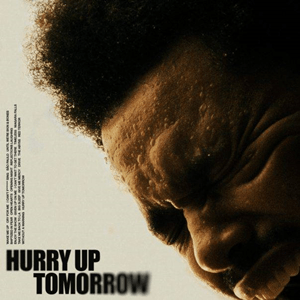
His latest instalment, “Hurry up Tomorrow”, kind of acts as a film as it lasts 88 minutes. He has the legendary Giorgio Moroder on ‘Big Sleep’, which features the score from Scarface, and there is a nod to the film Eraserhead. I heard Abel also wrote a film to accompany the record. It is not your usual short film for an artist, but a full-length film starring him. There are several covers for the sleeve, and the used for streaming platforms looks like a film poster. Again, with these two things alone, Abel is hinting that his heart now belongs on screen.
Unlike his previous albums, where his alter ego’s malevolent nature was a dominant theme, this album presents a more nuanced perspective. The evil side of his alter ego is a rare occurrence, adding an element of intrigue and curiosity for the audience.
While the production is mostly enjoyable, the lyrics and subject matter fall short. If this is the artist’s final work, it’s a departure that lacks his usual style. The constant lamenting about wealth and fame becomes tiresome. Is it a great shame that this is how he has chosen to exit the music scene? The title track that concludes the record holds a surprise-a hidden track featuring a section of his legendary ‘The Hills’. This hidden gem serves as a reminder of the artist’s legacy, but it’s a bittersweet note to end on.
Song recommendations: ‘Big Sleep’, ‘Wake me up’, ‘Hurry up Tomorrow”







 Honest Opinions