

Week 18: Skindred- You Got This

Yes! What a fucking victory for music. Skindred reached No.1 with “You Got This”, an album that defines them over more than 2 decades. Groove, swagger, and pure energy. It’s colourful, loud, and full of attitude. Frontman Benji Webbe displays his charisma on every track.

Anyway. Let’s begin with a brief of the band from Newport, Cymru.  They’re known for combining metal, reggae, punk, and electronic influences, earning them the “ragga metal” moniker. They formed in the late 90s and have since built a reputation for high-energy music, blending heavy riffs, rhythmic groove, and socially conscious lyrics.

Their frontman, Benji Webbe, is the engine that drives them with his larger-than-life presence and versatile vocals. He shifts from singing, shouting, and dancehall-style toasting with consummate ease, which gives the band its distinctive edge.

“Babylon” was their breakthrough album, before they later gained mainstream success with “Kill the Power” and “Smile”. Outside of the studio, they’re known for their memorable live shows, where raw energy and crowd interaction collide.

That’s the introduction over; let’s return to the review.

The mood is set from the start with the opening title track, with its big, anthemic sound. The song conveys a message of resilience, driven by heavy riffs, explores real-life struggles, and offers encouragement.

The mix of toughness and positivity drives the record on, giving it a motivational vibe.

Catchy hooks and strong rhythms, ready for their live shows, featured heavily on ‘Can I Get A’  and ‘This is the Sound’. Their full mix signature sound, consisting of metal, reggae, and punk, is on full display, transitioning smoothly from heavy riff and dancehall grooves. It certainly makes you want to bounce along to the beat.

I have always loved the band’s raw attitude, and that stands out on ‘Born fe Dis’ and ‘Do It Like This’. They are cocksure and confident, reaffirming the band’s identity.

The album isn’t just frenetic; there are slow moments with the ska- and dub-inspired ‘Broke’ and ‘Glass’. The band still maintains its edge. The underlying grit is still present, so you know it’s Skindred.

Benji Webbe always bring the grit. His delivery features catchy melodies, fast toasting, and powerful shouting, keeping the listener on their toes. Benji isn’t just performing the tracks; he is taking control.

His presence alone gives the record its heartbeat. Songwriting may feel familiar, but his energy keeps everything urgent and lively.

As the album winds down, ‘Big ‘Em Up’, ‘My People’, and ‘Give Thanks’ bring unity and celebration into focus, highlighting the band’s connection and positive message. Tracks designed to be shouted out, with a crowd, and enjoyed together.

The only minor downside is the record’s repetitive nature. If you can even find fault with it.

Skindred know their sound and stick to what they do best, so some songs might feel like they’re initially blended together. However, that familiarity makes them appealing. You come for it, and they always deliver.

Ring Out:

“You Got This” displays Skindred at their best: energetic, blending genres, and raw emotion fused with passion. It doesn’t reinvent the wheel, and doesn’t need to.

Benji Webbe makes the album an enjoyable listen alongside the band’s raw, infectious attitude. One to be enjoyed whether in a mosh pit, at a festival/concert, or at home with the volume on full.

Song recommendations: ‘Born fe Dis’, ‘Do It Like This’, ‘You Got This’

9/10
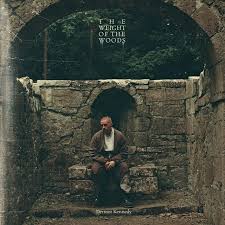
Week 16: Dermot Kennedy- The Weight of the Woods

“The Weight of the Woods” is the third studio album by Dermot Kennedy, which focuses on nature imagery and true emotion and is extremely personal, foretelling what he’s observed and his own life. The record is an emotional journey that is thoughtful, delicate, occasionally heavy, yet always sprinkled with joy.

Now, let’s take a look at how the sound and atmosphere stack up:

Although the sound is simple, you are drawn in. Gabe Simon’s delicate production, which mainly focuses on acoustic instruments, gives the songs space to breathe rather than opting for big effects. The music follows the album’s title. It gives off a calm woodland vibe. That soundscape gives the impression that the tracks were recorded al fresco rather than in a studio. The opening track is a reprise of the title track, which is a strange way to start a record. Reprises are usually featured towards the end of an album.


What about Dermot’s vocals?

His voice is ,of course, the heart of the record. We hear that urgency and raw emotion, which sometimes sounds like his voice is breaking under the sheer force of his delivery. He switched up when necessary, from quiet, personal moments to intense, powerful ones, regardless of the lyric’s importance.

What are the subjects and lyricism on display?

Well, the record is predominantly about Irish landscapes, grief, reflection, and emotional endurance. Love is utilised as both refuge and weight. He addresses personal growth and identity. Naturally, songs like ‘Funeral’ and ‘Blue Eyes’ focus on dealing with loss and learning to heal, whereas other tracks address more thoughtful and quieter moments.

What are the standout tracks?

Honest: The most emotional song on the entire album. Here, Dermot adopts an urgent yet vulnerable tone as if he is sharing a confession.

Refuge: This is like a personal yet tender lullaby. It expresses that even in the midst of chaos, love is a safe place.

Funeral: A track that I mentioned earlier is heavy on emotion. The production synchronises with the subject of confronting grief.

Endless: Another track you may have heard before the album’s release( the other being the aforementioned) is extremely haunting, exploring everlasting pain and unresolved feelings.

Sycamore: This track explores real places in Kennedy’s life. The closest track tied to his identity and home.

The Only Time I Prayed: A song of familiarity to Kennedy’s earlier work, displaying spiritual reflection and personal storytelling. The penultimate track is bittersweet, reflective, yet quietly devastating.

The Weight of the Woods: The opener was the title track reprise, and the closer is the title track in its entirety, highlighting the record’s key theme of emotional burden and growth.

Strengths:

Strong thematic connections interwining nature and emotion.
Vocals are powerful and vulnerable.
Consistent and immersive atmosphere.
Personal and thought-provoking lyricism based on real experiences.

Weaknesses:

The tempo lacks variation.
Some tracks sound the same.

Coda:

We won’t find many chart-friendly tracks on “The Weight of the Woods”. To be honest, Dermo has never been about that. He likes to draw the listener in with sobering lyricism over melancholic sounds, and once again, he focuses on raw emotion. This album is more about the journey than picking out anthemic songs. It may be deeply human, but there are glimpses of hope. It may well be yet another very sobering record from Kennedy, but there is beauty in melancholy.

Song recommendations: ‘Sycamore’, ‘Endless’, ‘The Only Time I Prayed’


8/10

Week 15: RAYE- This Music May Contain Hope.

I am beyond delighted that RAYE finally has a number one album, after her debut was criminally robbed by a pile of shite. No one on this earth deserves it more than her. She was cast aside by her label as a solo artist and writer. They wanted her to just collaborate and write for other artists, which she felt hindered her creative spirit. It would take a decade before she finally broke free from her label, went independent and released her debut to much praise. She is known for blending pop. R&B, jazz, and soul with unfiltered conscious lyricism, which is occasionally delivered with an operatic vocal. Her debut, “My 21st Century Blues”, showcased her vocal range and exemplary storytelling. Just a few songs featured on Later… with Jools Holland proved that the record would be excellent.

Now, she is back with her sophomore album, “This Music May Contain Hope”, where she dives further into her creative freedom- long-term songwriting, more experimental, more emotional, and embracing theatrical arrangements. You know what? Fuck it. I’ll tell you right now that this album is fucking brilliant. More than a worthy successor of “My 21st Century Blues”. Right, let us get on with the review. I have chosen a track-by-track analysis because I feel that it is fitting for the album.

Girl Under Grey Cloud:

The opener sets the mood. RAYE adopts a spoken word approach over atmosphere. It highlights the album’s central theme: the sadness is romantic and cinematic. You can hear the “musical theatre” element so often discussed by critics.

I Will Overcome:

The first statement song on the record. Big vocals and self-mythology over gospel sounds. RAYE makes you believe every lyric uttered. Showing despite some pain still remaining, she is resilient.

Beware.. The South London Lover Boy:

Quintessentially a London-based humour track, sharp and witty. She uses this London humour to cut through the heartbreak, which recurs throughout the album. This track shows her true personality.

The WhatsApp Shakespeare:

A track with clever, modern and playful lyricism that turns digital-age romance into something poetic. It highlights her inventiveness.

Winter Woman:

The title is apt to the track’s mood because it is colder, reflecting emotional distance and numbness. The production is therefore minimal, giving the record its first real moment of introspection.

Click Clack Symphony. (feat. Hans Zimmer):

I wanted to enjoy this track because the great film-score legend Hans Zimmer features, but unfortunately, it leans too heavily on auto-tune, which is an instant skip for me.

I Know You’re Hurting:

This track reflects the emotional core of the album. This stripped-back ballad stands out from the record’s theatrical style. It feels raw, but she does not overcook it.

Life Boat:

A turning point on the album. There is more rhythm and energy. The lyricism focuses on survival and transitions into the next phase of the record, moving away from the emotional fog so far. I will go into that more in the outro.

I Hate The Way I Look Today:

This song is about insecurity, vulnerability, and self-image shrouded in a slightly whimsical arrangement. It balances the heavy subjects with charm, which RAYE is a master at.

Goodbye Henry. (feat. Al Green):

Retro soul duet with the great Reverend Al Green. Now, I am not entirely sure if he joined RAYE in the studio or if his vocals are sampled from one of his many classics. Anyway, the track is warm and tender with minimal drama compared to the tracks on the first half of the album. She is starting to show acceptance.

Nightingale Lane.:

This melodic track foretells RAYE’s first encounter with love in the South London street. It shows off her artistic talent. One of the highlights from the record.

Skin & Bones:

The production gives way to a lyrically emotional song. One for the poets and wordsmiths.

WHERE IS MY HUSBAND!:

Everyone knows this. It has been played to death since its release late last year. It is funny, catchy, and dramatic while balancing satire and sincerity. It is also full of brass to add to the effect, and you all thought RAYE is that voice that says “Your husband is coming” before the outro, well, you would be wrong, it is her grandma. Don’t they sound very alike? I do like this track, but it’s not my favourite.

Fields. (feat. Grandad Michael):

Here we go, the pointless interlude. The deeply personal moment features her family, which ties into the album’s theme.

Joy. (feat. Absolutely, Amma):

The featured artists are not only part of RAYE’s backing group but also very dear friends. The mood shifts into something quite celebratory, yet still feels grounded. You can hear that the second part of the record is more upbeat.

Happier Times Ahead.:

A track addressing resolution. It may not display pure happiness, but it contains belief. I would also describe it as optimistic.

Fin.:

Hahahaha, this final song made me laugh. RAYE reels off all the people behind the album for over five minutes. There is no need to read the sleeve notes, because she has already done so for you. A quirky but humorous way to close an album.

Outro:

As I mentioned earlier, about the album’s structure. The first half is winter, with the more deeply emotional tracks, and the second half is summer, where moments of optimism and joy soften the mood. “This Music May Contain Hope.” shows how ambitious RAYE is, and that’s intended. The album isn’t about giving the listener an easy listen, but about songs that start instantly, feature spoken-word moments, and shift genres.

Of course, RAYE may be a bit self-indulgent at times, but give her a break. She has been through an awful lot to even have an album, let alone her second. The pacing may sometimes feel heavy and the theatrical style a bit much, but tracks like ‘Nightingale Lane’, ‘WHERE IS MY HUSBAND! and ‘I Know You’re Hurting.’ are marvellous.

What I have always loved about RAYE is that she is unapologetic. Absolutely refreshing in an industry full of knee benders. She is funny, dramatic, heartbroken, and defiant. A Beautiful album. Two records in, and she is just blowing the competition away. Hopefully, the third will see her keep the momentum.

Song recommendations: ‘Nightingale Lane.’, ‘WHERE IS MY HUSBAND!’, ‘Beware…The South London Lover Boy’

9/10

Week 14: Bangtan Boys aka Bangtan Sonyeondan aka BTS: Arirang

Unfortunately, “Arirang” falls flat on its arse compared to BTS’s previous effort. This is just extremely overproduced.

‘Body to Body’’is lifeless and buried under layers of vocal effects, while trying to set the mood with a traditional sample. ‘Hooligan’ is flat because the gritty sound and edge is lost to a synthetic finish. ‘Aliens’ and ‘FYA’ are too polished, so they don’t stand out. Oh, and they’re also victims of auto-tune.

‘SWIM’, which is supposed to be the standout track, may be catchy, but it feels hollow. By the time you get to ‘Into the Sun’, the experience has been ruined by the vocal effects, and that is the central issue with the entire record.

“Arirang” had great potential, with personal and emotional stories, but alas, they’re lost in the excess use of auto-tune. Everyone loves their humanity, and that’s what made them so popular. This is a huge step backwards. Utterly unlistenable thanks to auto-tune.

No rating