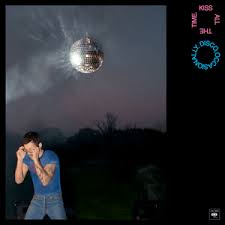
I was thrilled to listen to “Kiss All the Time. Disco, Occasionally”, as I was expecting to enjoy it after his previous album “, Harry’s House”. An album which was fresh, confident, with plenty of memorable songs, and showed forward progression. Unfortunately, this one didn’t capitalise on that forward progression.
I think it was great that Harry collaborated with Wolf Alice leader Ellie Rowsell, but after each track, the energy faded. Even the disco-inspired ‘American Girls’, and ‘Ready,Steady, Go!’ were repetitive and labourous.
Even the emotional tracks like ‘Coming Up Roses’, and ‘Paint by Numbers’ felt more like fillers than highlights.
What is disappointing is that the record lacks the flow and charm that gave ‘Harry’s House’ accolades galore. There are no standouts or big hooks. The songs are just simply there.
Even the closer ‘Carla’s Song’ gives the album a disappointing finish. I was left wondering what happened to all the energy, big hooks, and forward progression that were in “Harry’s House”. Unfortunately, this album is forgettable and unfocused. Very underwhelming from a lad who knows how to make good records.
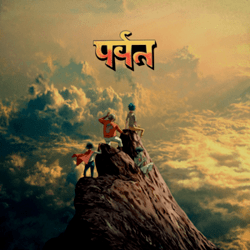
The band that keeps reinventing itself returns with “The Mountain,” an album that draws on global influences and feels reflective yet adventurous.
The record may have been recorded in Devon and Damon Albarn’s home Studio 13 in London, but the songs are in Spanish, Arabic, Hindi, Yoruba, and Russian. It is quite Middle Eastern-heavy, with sounds blended with synth-pop and psychedelia across several word music genres. It is certainly their most eclectic album to date.
The record features the title track, with a spoken-word passage by the late Dennis Hopper over Anoushka Shankar’s sitar (Yes, she is, before you ask), and an orchestral flourish that gives it an atmospheric, spiritual feel. It sets the tone for the rest of the journey within.
One of the highlights is ‘The Moon Cave’ featuring an array of artists, including the late Bobby Womack, and the underrated rapper from The Roots, Black Thought. There is a combination of atmospheric beats and haunting vocals enshrined in layered instrumentation.
The following track,’The Happy Dictator’ with the Mael brothers duo, Sparks, contains witty political satire and theatrical pop. Reminiscent of the band’s earlier days that echo the sentiments of ‘Clint Eastwood’ and ‘Feel Good Inc’.
Tracks like ‘Orange County and ‘The Empty Dream Machine’, on the midsection, focus on collaborations, with the former featuring Bizarrap and Kara Jackson, the latter has Black Thought and Johnny Marr, who features just behind Anoushka (she is present throughout). The merge of dreamy synths and global instrumentation over rapped verse, and the unmistakable guitar playing of Johnny.
As the record starts to wind down, tracks like ‘The Shadowy Light’ featuring Super Furry Animals frontman Gruff Rhys, and ’The Sad God’ are more reflective. Melody and layered instrumentation are the focus, bringing an emotional close.
I found that “The Mountain” was heavily inspired by the Middle East, but Gorillaz have never been ones to shy away from using global sounds and collaboration to enhance their music. Some tracks may seem drawn out, but the payoff is worth it for their beauty and experimentation. It may not be the best body of work, but it is their most adventurous and culturally rich. I enjoyed Anoushka’s effortless playing, Black Thought’s thought-provoking lyricism, and Johnny’s jangly tones, arpeggiated chords, and melodic progressions.
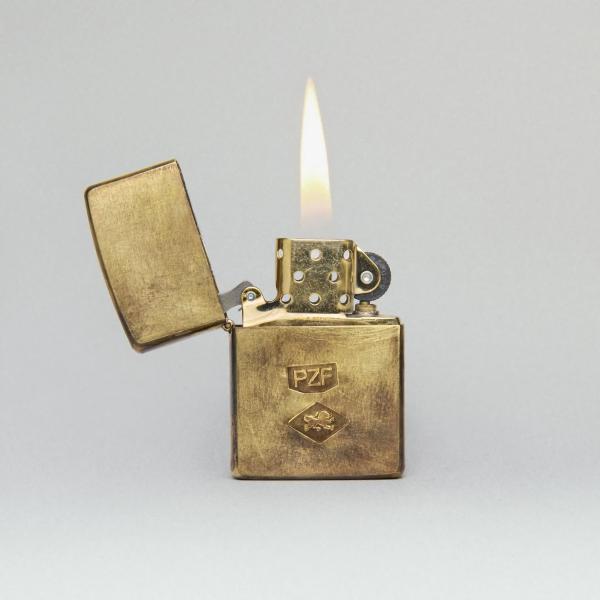
“Prizefighter” combines a smoother collaborative approach with the familiarity of Mumford & Sons’ acoustic style. The collaborations include Chris Stapleton, Hozier, Grace Abrams, and Gigi Perez, with The National’s Aaron Dessner producing. Rather than focusing on anthems ready for arenas/stadiums, the band’s attention is on emotional openness.
The record opens with Chris Stapleton featuring on ‘Here’, where Chris and Mumford & Sons frontman Marcus Mumford exchange verses over a country-inspired duet. The following track, called ‘Rubber Band Man’ with Hozier, has the same premise over strong harmonies and delicate acoustic. The song was given to Marcus after Brandi Carlile had a dream about him singing it. It expresses longing and hope.
‘Run Together’ and ’The Banjo Song’ adopt the modern folk of stomp-and-clap that the band were initially known for, but more mature and restrained.
‘Conversation with My Son (Gangsters & Angels)’ sees the band broaden their horizon with honest storytelling, combining broader emotion with personal narrative.
The title track and ‘Begin Again’ explore love, resilience and doubt, which is what the album is all about. These more delicate shifts make Marcus’ earnest lyricism, careful arrangements, and the band’s harmonies rise above.
New layers surface when Gig Perez and Gracie Abrams featured on ‘Icarus’ and ‘Badlands’, respectively. They do appear to overpower Marcus’ vocals during certain sections, which probably was not meant to happen.
Some songs are weakened by the record’s mid-tempo, polished production, like ‘Alleycat’ and ‘I’ll Tell You Everything’, which do not fit the band’s raw emotion. The closer ‘Clover’ is a gentle finish, but still shows the thoughtful mood of the album.
“Prizefighter” may be a safe option by bringing familiarity, but there are seldom anthemic songs, which we associate with their beginnings. It’s a solid record that showcases their prowess with warm acoustic sounds, vulnerability, and thought-provoking lyrics.
The only thing that has changed is that anthemic songs have given way to more mature, subtle ones.
Song recommendations: ‘Rubber Band Man’, ‘Here’, ‘Conversation with My Son (Gangsters & Angels)’