
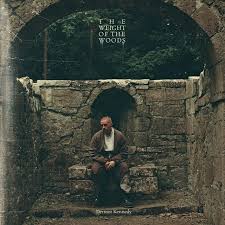
“The Weight of the Woods” is the third studio album by Dermot Kennedy, which focuses on nature imagery and true emotion and is extremely personal, foretelling what he’s observed and his own life. The record is an emotional journey that is thoughtful, delicate, occasionally heavy, yet always sprinkled with joy.
Now, let’s take a look at how the sound and atmosphere stack up:
Although the sound is simple, you are drawn in. Gabe Simon’s delicate production, which mainly focuses on acoustic instruments, gives the songs space to breathe rather than opting for big effects. The music follows the album’s title. It gives off a calm woodland vibe. That soundscape gives the impression that the tracks were recorded al fresco rather than in a studio. The opening track is a reprise of the title track, which is a strange way to start a record. Reprises are usually featured towards the end of an album.
What about Dermot’s vocals?
His voice is ,of course, the heart of the record. We hear that urgency and raw emotion, which sometimes sounds like his voice is breaking under the sheer force of his delivery. He switched up when necessary, from quiet, personal moments to intense, powerful ones, regardless of the lyric’s importance.
What are the subjects and lyricism on display?
Well, the record is predominantly about Irish landscapes, grief, reflection, and emotional endurance. Love is utilised as both refuge and weight. He addresses personal growth and identity. Naturally, songs like ‘Funeral’ and ‘Blue Eyes’ focus on dealing with loss and learning to heal, whereas other tracks address more thoughtful and quieter moments.
What are the standout tracks?
Honest: The most emotional song on the entire album. Here, Dermot adopts an urgent yet vulnerable tone as if he is sharing a confession.
Refuge: This is like a personal yet tender lullaby. It expresses that even in the midst of chaos, love is a safe place.
Funeral: A track that I mentioned earlier is heavy on emotion. The production synchronises with the subject of confronting grief.
Endless: Another track you may have heard before the album’s release( the other being the aforementioned) is extremely haunting, exploring everlasting pain and unresolved feelings.
Sycamore: This track explores real places in Kennedy’s life. The closest track tied to his identity and home.
The Only Time I Prayed: A song of familiarity to Kennedy’s earlier work, displaying spiritual reflection and personal storytelling. The penultimate track is bittersweet, reflective, yet quietly devastating.
The Weight of the Woods: The opener was the title track reprise, and the closer is the title track in its entirety, highlighting the record’s key theme of emotional burden and growth.
Strengths:
Strong thematic connections interwining nature and emotion.
Vocals are powerful and vulnerable.
Consistent and immersive atmosphere.
Personal and thought-provoking lyricism based on real experiences.
Weaknesses:
The tempo lacks variation.
Some tracks sound the same.
Coda:
We won’t find many chart-friendly tracks on “The Weight of the Woods”. To be honest, Dermo has never been about that. He likes to draw the listener in with sobering lyricism over melancholic sounds, and once again, he focuses on raw emotion. This album is more about the journey than picking out anthemic songs. It may be deeply human, but there are glimpses of hope. It may well be yet another very sobering record from Kennedy, but there is beauty in melancholy.
Song recommendations: ‘Sycamore’, ‘Endless’, ‘The Only Time I Prayed’
8/10