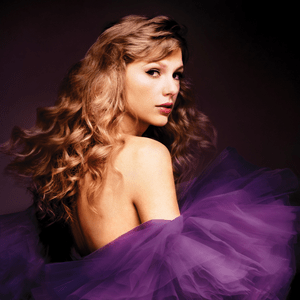
Here is another instalment of Taylor reworking her original albums after…well., you already know from the last reviews she was being held to ransom over her masters and found a way around it thanks to her solicitor and someone asking permission to use one of her songs, from the originals on television. I have enjoyed what is known as “Taylor’s Version” because everything is better. The vocals, the matured vocal delivery, the production, the professionalism, and the overall clean audio.
The opener is ‘Mine’, and immediately the album catches my ears for how much cleaner it sounds compared to the original, and I like Taylor’s more mature delivery. There is no teenage angst. The reworks stand out more because Taylor has collaborations, and Hayley Williams from Paramore is on ‘Castles Crumbling”.One of my favourites is ‘When Emma Falls in Love’- a soft piano ballad with tender but heart-aching vocals.
As you know from the originals, there was a lot of pent-up anger in her vocals. Still, on the reworks, she has changed that with tenderness and empathy, which is clearly on display in ‘Ours’, and her vocal delivery is done with more meaning now on ‘Enchanted’ as the track arrives at the bridge. There are even lyric changes, as found on another of my favourites, the full-on rock attitude of ‘Better than Revenge’ where she changes the song’s perspective to make the male the antagonist, rather than the female who originally was where she was slut-shamed.
There is also a collaboration with Fall Out Boy on ‘Electric Touch’ where Taylor exchanges verse with Patrick Stump( Who also plays the guitar) before they sing the chorus together. There is room for the National’s Aaron Dessner to play multiple instruments across ten tracks. He also co-wrote ‘Electric Touch’ and ‘Foolish One’. The producer is, once again, Jack Antonoff, who made a mess of “Midnights” but gets the production on point this time. He plays multiple instruments on the record and even does some backing vocals.
I also enjoyed ‘Back to December’ and ‘Dear John’ simply for their vocal maturity. After all the shit she has been through with Scooter, you wouldn’t be surprised if her vocals displayed raw anger, but no, she has done these reworks like the mature songwriter she now is. Another thing worth mentioning on the above tracks is the new arrangements where Taylor can show more vocal diversity now. ‘Sparks Fly’ is the only track where Taylor could have improved. The rest of the album is brilliant, and I cannot recommend it enough. I love these “Taylor’s Version” and am only a fan of her country days. That speaks volumes to just how good they have been so far.
Song recommendations: ‘Better than Revenge’, ‘Dear John’, ‘When Emma Falls in Love’
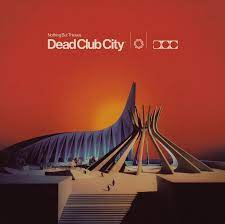
I had heard of the name before but never listened to their tracks. A lady called Roxanne, who I speak to, is a fan. “Dead Club City” is their fourth album and the first time I listened to the band.
The record begins with the leading single, ‘Welcome to the DCC’, and straightaway, my ears prick up as I was not expecting a band with such a name to have a Jungle-esque track, let alone beginning to an album. I loved the feel-good groove to the opener; as I mentioned before, it reminded me of Jungle.
I thought this album would be all-out indie, but it is laced with disco, indie, rock and psychedelia. Elements of some of the songs had a Tame Impala feel to them. Then we have the Jungle-esque groove of ‘Keeping You Around’ and ‘Do You Love Me Yet?’. The latter has some mad guitar solo, which I unfortunately discovered was the outro, so the track fades out when the solo should have played until its conclusion. They missed a trick by not doing that.
There is even room for ballads on the record. The standout is ‘Green Eyes:: Siena’, where Conor Mason’s tender vocals accompany the acoustic. The lyrics are quite deep, too.
The album closes with ‘Pop the Balloon, an all-out assault on your ears for the majority, but then there is a complete drop in the tempo, which happens without any indication it is approaching. “Dead Club City” isn’t bad for my first introduction to the band. I know some purists may not like this diverse record, but honestly, it kept me interested, and I will now listen to more of their material in the future.
Song recommendations: ‘Do You Love Me Yet?’, ‘Welcome to the DCC’, ‘Pop the Balloon
The first I heard of Maisie Peters was a recent segment on television about her supporting Ed Sheeran. The 23-year-old signed with Atlantic after releasing two singles independently and released two EPs under Atlantic and the soundtrack for a British comedy series titled “Trying” for its second series.
In 2021, she left Atlantic and joined Ed Sheeran’s Gingerbread Man Records. This album is a joint venture with Gingerbread Man and Asylum. Her debut record was released Gingerbread Man titled “You Signed up for This”. Despite it not hitting the top spot, Ed has taken her on the road (As mentioned in the paragraph), so she is getting more exposure, and no doubt touring with Ed on his “Mathematics” tour has seen her sophomore album reach the acme.
I listened to “the Good Witch’ via her YouTube, and I thoroughly recommend watching the lyric videos to the tracks. The lyrics are displayed on what appears to me as tarot-like cards. And fuck me; the lyrics are fucking mind-blowing. She is a phenomenal songwriter. I wonder how someone who didn’t grow up in a town or city can write so much.
From the title track, I was immediately hooked by the absolute brilliance in her songwriting. How one talks about their rollercoaster emotions and keeps it interesting is mind-blowing. Aside from its lyrical brilliance, ‘Coming of Age’ is a three-minute pop song with panache and sets the tone for the rest of the record.
‘Watch’ is good regarding Maisie’s delivery, where she goes from melancholic to pure rage. ‘You’re Just a Boy (And I’m Kinda the Man) rips to shreds an ex, and she mocks him for good measure by professing she was “the man” in the relationship over a Katy Perry-esque dream-pop beat. Think Katy’s ‘Last Friday Night (TGIF)’. ‘Run’ is a mild drum n bass track, albeit under three minutes. I hope Hedex gets hold of it and adds a banging remix. ‘BSC’ stands for Bat Shit Crazy, and when you listen to the lyrics, it is hard not to laugh at the humour displayed by her, yet with a sincere delivery. I haven’t mentioned ‘the Band and I’ yet, which features early on in the record. Wow, oh, fucking wow. Amazing track with Ke$ha-like vocals where she tells in great detail about life on the road.
‘Two Weeks Ago’ is slightly confusing when you hear the chorus because instead of explaining her current mood, she declares, “God, I wish it was two weeks ago’. Her hooks on the album are extremely catchy, and the echoed lines will certainly be sung back at her on tour. The record ends with ‘There it Goes’, which is about letting go of love that is covered in snow. By this, she means that their love is cold and doomed to fail. I thoroughly enjoyed this record, which moves from dream-pop to ballad, to dance, to drum n bass, where she discusses relationships and breakups bluntly with the occasional sarcasm and humour. The album is also radio-friendly, with no one track over four minutes. It may be a short listen, but it works.
Song recommendations: ‘Run’, ‘the Band and I’, ‘You’re Just a Boy (And I’m Kinda the Man)’
Was it ever in doubt that the Foos would be number one? Despite being locked in a week-long battle with Noel Gallagher’s High Flying Birds, no one save for the Beatles was stopping them from getting to the summit. They had the intrigue of what they would sound like post-Taylor Hawkins and if the new drummer Josh Freese was good enough to take over from the late drummer. The last time Dave Grohl suffered a band member loss was in 1994 when Nirvana’s Kurt Cobain died, and he hit the studio to record what would become the debut album of Foo Fighters. He called it Foo Fighters, so no one would watch wind of who was behind the then-solo project. Although Dave was hurting from the loss of Kurt, the sound in 1995 was more a celebration of life over hardcore rock.
This time, however, the loss of Taylor is etched all over the album, also released over a year after his bizarre demise. You can especially hear this in ‘Under You’, where Dave reminisces about the good old days with someone no longer with us in some form. It is obvious what the song is about, but Dave leaves it open to interpretation through his words. It sounds more like a couple splitting up than the obvious. ‘Rescued’ also expresses how Dave felt at the recording. Of course, the record is littered with songs ready to be blasted in stadiums and belted out by the crowd. That’s what the Foos are good at. ‘Somehow’ features his daughter Violet and is a beautiful ballad and one of the slow moments on the album. ‘Teach Me’ is a track that lasts just over ten minutes, which fools you because there is a sustained silence before the track returns. That track itself trickles along rather than catches your imagination. Of course, another great track closes the records in ‘Rest’, which again is about Taylor, except this time, it is far more apparent as Dave says the drummer can rest in the chorus. The song builds from acoustic to the entire band wading in to end the music how they would complete a show with Taylor going tonto on the drums.
Song recommendations: ‘Rest’, ‘Under You’, ‘Somehow’
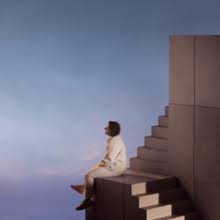
Apart from working in the studio on fellow Celtic fan Paolo Nutini’s album, where has Lewis been? Well, he’s been touring his debut album since the world opened up again and has thrown a few teasers for the follow-up. It has been four years since “Divinely Uninspired to a Hellish Extent” was released. Has it? Blimey. I remember doing a track-by-track review, but it was the first month of 2020? It appears not. Anyway, in 2021, he postponed many tour dates to start work on “Broken by Desire to be Heavenly Sent” and, as mentioned earlier, aid Paolo Nutini with his. I don’t know if Lewis is Catholic, but he compares love and heartbreak in biblical terms, which makes this album have more of a religious slant to it.
Now, a new term of music has been created to describe some of his songs, and that’s blue-eyed soul. No idea if that is now officially a genre or if it is just one made by fans. Honestly, when he does ballads, I’d say they are more melancholic than “blue-eyed soul”. That is…I don’t know what it is, but I know the term is adopted for his ballads.
This record resembles his debut regarding the themes, instrumentation, and lyrical content. Albeit, this time, he goes deeper. ‘Heavenly Kind of State of Mind’ explores the rollercoaster ride of a growing relationship, and ‘Burning’ appears to be about his relationship with that girl off Love Island (Meg, is it?) who he wrote ‘Used to be Someone You Loved’ about, where it was never going to work out.
Despite being nothing like the late John Prime’s version, ‘ Wish You All the Best’ echoes the exact sentiment of a male wanting to let rip on his ex-girlfriend but then electing to let it go and wish her well to move on quickly. Of course, we see the other side of his emotions, and it is explored in ‘Pointless’, where he talks about being in love but also mentions his struggles with depression.
‘Haven’t You Ever Been in Love Before’ explores the anxiety of falling in love but being afraid of letting it wash over you for fear of having your heart broken once again. We can all relate to this because we tend to be close to doing or doing sabotage. We cannot let what happened before happen again, so we panic. So, that’s what the first half of the record explores. In the second half, we see more of his vocal ability. I especially noticed his diverse range in ‘Leave Me Slowly’, where he finds his inner Michael Bolton. When I heard it, that was the first singer that registered. There are many other comparisons, but I struggle to find a better one.
Beautiful strings can be heard on ‘How This Ends’ to combat his rich yet melancholic vocals. Honestly, what else would they be on? Besides, a song about a relationship meeting its end? The final track is quite apt and quite insightful regarding his struggles with depression. The title is taken from his Amazon Prime (Might be Netflix.) documentary ‘How I’m Feeling Now’. You may recall from my previous review that Ed Sheeran had a song where the instrumentation was uplifting in contrast to his lyrics to represent hiding behind a mask, and this track works on the same level. However, rather than putting on a brave face after a personal tragedy, Lewis is putting on a brave face when the depression controls his outlook on every aspect of his life. He isn’t alone in this. Several other musicians have admitted their struggles with mental health, one of them recently being George Ezra, which he documented in End to End.
As I mentioned, this is a continuation of the debut record regarding melodies and the constant use of a piano. Still, as I also said earlier, the lyrics go deeper than last time, but there is also now maturity within those lyrics. For example, he laid bare his hurt on the debut album and expressed anger. This time, he appears to move forward and forgive her for hurting him while trying to battle depression, fame, touring, and giving love a chance. I love seeing this guy perform these songs live, so that is when I will appreciate this record a lot more.
Song recommendations: ‘How I’m Feeling Now’, ‘Have You Ever Been in Love Before’, ‘Leave Me Slowly’
One thing you will notice about “-‘ is that Ed uses a lot of weather-based themes to foretell the latest trials and tribulations in his life. Although the lyrics and his delivery are pretty heart-wrenching, they are encased with rays of sunshine regarding the instrumentation. You may start to think it is a typical Ed acoustic, but the song builds as the choir comes in, making it more uplifting over Ed’s heartfelt vocals. Some of you may not like it and feel it is the same old thing because Ed is out with the acoustic again, but I say, listen to his frank story.
Salt Water:
Again, listen to the lyrics as he goes deeper with another life story. When you listen to the instrumentation, you understand how apt the title is. You have piano keys throughout, which represent the waves engulfing him, and the slow, steady drum beat, which means his struggle to stay afloat as the water tries to pull him under. There is then a bright moment with Female vocal harmonising coming in, which represents Ed’s soul letting go as it burns him inside from the pain he is experiencing. The bridge is where the tracks have ethereal tones, meaning Ed succumbs to the waves as he falls to the ocean bed. He has accepted drowning in his sorrows. The track then fades out, which represents Ed’s spirit giving up.
Eyes Closed:
For once, Ed starts a track on an uplifting melody. However, the song in question is another heartbreaker and a moment of reflection. This one is a tribute to SBTV’s Jamal Edwards, who tragically passed away early last year due to an overdose. Jamal was the guy who gave Ed his early but growing fan base when Ed performed from his London home over the Internet. It is undoubtedly how I initially heard of Ed after a friend, Joe, showed me some of the performance through his mobile phone in 2009. From there, I would keep my eyes peeled for Ed as I was left impressed. Those performances on SBTV gave him the platform he needed. So, the track has an uplifting melody, but it is also there to show that not everything appears as it seems and represents Ed’s sense of loss perfectly. Why? Because the upbeat melody represents Ed’s veil of happiness as he carries on after Jamal’s death when really behind the veil, he is struggling to come to terms with it. The behind-the-veil segment of the tracks is Ed’s lyrics, which reveal the true extent of his grief. Ed, with an acoustic baring his soul, is Ed at his best.
Life Goes on:
If you thought the previous track was heavy, put on your lifejacket because this one is gut-wrenching and pulls at your heartstrings—a deeply personal story. Cherry Seaborn, Ed’s childhood sweetheart and now his wife, is carrying their child when Ed taps into the emotion Cherry is experiencing when she hears the news. Ed belts out ‘it hit like a train’ to convey the feeling that Cherry has found out that their happiness is soured with news that she has been diagnosed with cancer. The track is Ed talking directly to you candidly about how he is worried about what may be on the horizon. Ed is begging his wife throughout to fight and beat the horrible illness as he cannot imagine life without her. Why is it called ‘Life Goes on”? Well, Ed is saying that, unfortunately, the world doesn’t stop when a tragedy occurs. If you don’t shed tears or feel anything as Ed pours his heart out about Cherry, then quite frankly, your body is just a vessel with nothing in it. Even though Cherry could not be operated on during her pregnancy with Jupiter, she has since had treatment and is recovering.
Dusty:
After the heaviness of the previous track, Ed switches up to hip-hop. The instrumentation is quite groovy, as most hip-hop is, and represents the light at the end of the tunnel for Ed, as do the lyrics, as they are more optimistic. Indeed Ed even says enthusiastically, ‘the future is so bright’. The bridge is out of synchronisation with the rest of the song as it sounds like something the likes of 5ive, 911, Boyzone, Westlife, et al would utilise in their songs back in the 90s. This track is like a continuation of ‘Salt Water’, although this time, it is Ed climbing off the ocean bed and swimming up while floating on the calmer seas as he gets above the water. Ed represents this with a high-frequency sound at the end of the track. The sound means his ears are unblocking as he returns to the surface.
End of Youth:
Oh dear, that calm ocean has turned rough again as Ed finds himself battling the waves that are dragging him under. To represent the sense of drowning and hopelessness, Ed utilises minor chords, which, if you have a good ear for music, are used in sad/reflective songs. To add to the gloomy mood, Ed throws in strings that match his vocals as he foretells how the grief drove him to attempt suicide. Another track that leaves his heart open.
Colourblind:
Staccato piano chords over loving lyrics to begin with Ed propelling back to 2013 when he was recording “X” and recording the controversial ‘Thinking Out Loud'( I am not going to go into the details about that. Just Google Marvin Gaye and Ed Sheeran for that story.), which this song draws inspiration from. The track is uplifting, and Ed’s happiness is heard through the vocals. When he was in the booth, he had a smile on his face when delivering the vocals on this one. Ed then tests his vocal range as he goes high and falsetto over a choir, adding that angelic and floating touch.
Curtains:
Ed showcases another segment of his vocal range: singing lower than ever. This track also breaks away from the usual acoustic and heads into the electric and rock arena as you can hear electric guitars, crashing cymbals, and thumping drums over Ed’s vocals. The chorus is even more frantic, representing that Ed is breaking free of his worries and rediscovering his zest for life. This whole track has a positive message for Ed and the listeners.
Borderline:
Once again, Ed sinks to the bottom of the sea as the depression takes hold. I call this the manic depression track because the instrumentation represents the manic cycle, and the lyrics describe the clinical cycle. When we get to the chorus, the song breaks free of the manic depression, and a bright sky breaks through. Very autobiographical.
Spark:
This is like swimming against the rough seas, represented by the bouncing beat before the drums match Ed’s soaring vocals to mean conquering the rough seas, which gradually get calmer. Ed is leaving his worries and his past behind and moving forwards.
Vega:
Another reflective moment as Ed returns to his beloved Martin in a song talking about the devastating news of his wife Cherry heard during the pregnancy and almost broke Ed entirely. He delivers his pain perfectly in the chorus—an emotional track. The track is very downtempo, but the lyrics contrast this with optimism that things will improve for Cherry and the family.
Sycamore:
This is a follow-up to ‘Vega’ with Ed and Cherry feeling relief that the nightmare is over and they can recover from the ordeal. Strings accompany an optimistic but wary Ed as he talks about being by Cherry’s side at the hospital. A clever track melodically because it shows the feeling of optimism and fear, which is what happens with an experience like that.
No Strings:
This is Ed letting go over stabbing piano chords as he expresses what Cherry means to him. After his wife’s recovery, Ed feels she has to know just how much he loves her, and that love is why they made it through.
Hills of Aberfeldy:
Remember when everyone mocked ‘Galway Girl’? I didn’t mind it, to be fair. I found it rather uplifting, but many thought it insulted Celtic music. He is back again with another Celtic song, but it will be warmly received this time. This is your typical traditional Celtic song. No fancy additions like on ‘Galway Girl’. The vocal delivery is that of an old Celtic singer with acoustic guitar joined by bagpipes and marching drums. Sonically, the track is calm, suggesting that Ed finds peace after a rough journey. Another ode to his wife, which looks to the future and ends the album with a message of hope and never fading love.
Song recommendations: ‘Salt Water’, ‘Hills of Aberfeldy’, ‘No Strings’
Boygenius are a rock supergroup formed in 2018 consisting of Julien Baker, Lucy Dacus, and Phoebe Bridgers. The former is the only one I have ever heard of, and I enjoy most of her material. Five years ago, the band also released their self-titled EP. They share common ground, and what makes Boygenius dynamic is their similar tastes in authors and poets. There is more than just a love of music, and unlike most supergroups, this has been formed on music and other passions to make the chemistry extra special. They also have their unique style of writing. Julien Baker is more melancholic, whereas Phoebe Bridgers, although she can sing softly, brings more energy, and Lucy Dacus brings consciousness to the fore.
Here is my track-by-track review of “the Record”:
Without You Without Them:
The opening track begins with the trio singing acapella. The trio exchanging cyphers.
$20:
This has Julien Baker written all over it (Although I only know of Phoebe’s work, I did a little listening research.), where she gets political and her watermark guitar riffs, which, when you listen to her work, your ear picks up on the familiarity. Of course, as it is a trio, Lucy and Phoebe find a space on the track, with Bridgers doing a 90s-esque grunge rock scream, and Dacus leads the line during the fast tempo and fleshy verses.
Emily, I’m Sorry:
This song is split into two parts. The song title doesn’t fit the narrative that you should expect it to. Instead of being an audio apology letter to a specific individual, it discusses how uncertain life was during the pandemic ( depending on where you live.). You can hear Phoebe’s solo work coming through, but it also shows Boygenius working together to give it that unique sound.
True Blue:
This is quite obviously the turn of Lucy again. Why? Because her vocals are at the forefront, whereas Julien and Phoebe’s are more muted. This track is mellow and mid-tempo compared to what has happened so far. You can tell the band work democratically.
Cool About it:
We finally get to the acoustic song on the album with a cameo appearance from the banjo. The track could be described as folk-rock. Each member exchanges a cypher with different variations of bumping into the dreaded ex. The cyphers showcase just how talented each individual is at songwriting.
Not Strong Enough:
Just listening to this, you can tell that Sheryl Crow heavily influenced the trio. The track discusses the hotbed issue of the treatment of women (to this day, unfortunately.) within the industry. The instrumentation itself goes back to the sound more akin to ‘$20’ before developing into something more uplifting, which creates a rush of blood in your body. Synths feature on the bridge, and the strumming of the guitar with effects gives it that indie blend. I can imagine this one doing quite well on the tour. Although the lyrics are blunt, there is a sense of this becoming a tour anthem.
Revolution 0:
Another tender acoustic ballad to welcome in the second half of the album. The song has a frustrated delivery by Phoebe to match the writing. Phoebe ponders what love is and why it is called that if it isn’t love.
Leonard Cohen:
Well, this is one of the favourite poets they all adore. The late Leonard Cohen was one of the best poets around. There is a nod to one of his tracks from 1992 called ‘the Anthem’. The track is, funnily enough, the shortest on the album, but in no terms does it mean they are insulting his memory. The band discuss the song’s meaning, which is about accepting your own imperfections. Lucy also has an Easter Egg in her verse, so listen out for that. Clue: It has already featured on the album.
Satanist:
This track features dirty and heavy riffs as Phoebe lets out a scream you will hear in many grunge songs. The track changes tempo again after the instrumental break after the bridge with Julien’s question about satanism as the song changes to downtempo and absent of guitars.
We’re in Love:
Phoebe has been taking over a bit with her songs, but Lucy steps up this time, showcasing her ability to write a specific feeling and deliver it on the instrumental. It also sees the band move away temporarily from the rock wall of sound (Depending on what your idea of “rock” is.).
Anti-Curse:
Julien’s turn, this time with a song which talks about romance. After the bridge is the best section of the song, as we hear full-on guitars with cascading drums.
Letter to an Old Poet:
By this point, I was starting to wonder if there was a democracy in the band as we heard yet another Phoebe trademark song. The track is about surrendering to what you used to be. It also has recycled lyrics from ‘Me & My Dog’, featured on the trio’s 2018 extended play. You can hear a crowd in the background. As the song gently fades, Phoebe closes with a message of hope.
You may think, by reading this, that the album is a fantastic listen. Unfortunately, I have masked that by measuring each track individually. Overall, I felt that for a band dubbed “rock”, there were many downtempo moments and many of the shoegaze side of indie. For me, the term “rock” has not been categorised all that well. There are sub-genres, in fact, many for rock, and this one falls under alternative/indie/shoegaze for me. This was more akin to an album by the XX than full-on rock. I was looking forward to hearing “the Record”, but I had to listen to it twice because my concentration wavered somewhat on the first listen. I felt it was all relatively tame for a “rock” album. There is more energy in a Phoebe Bridgers live performance than this.
Song recommendations: ‘Leonard Cohen’, ‘$20’, ‘Cool About it’
I must confess that I was fucking terrified of how to approach this review. I wondered if it would be a written paragraph review, track-by-track, or short track-by-track. I mean, U2 are the most fucking iconic band ever, and I wanted to do them justice with a review of this.
The band started in Dublin during the mid-70s when Larry Mullen Jr requested band members wanted on the school notice board. He would get five responses, which included Bono, the Edge, Edge’s brother, and Adam Clayton. Before the lads settled on U2, Larry thought he would be in charge of the band until it appeared 10 minutes into the formation that Paul Hewson, aka Bono, had other ideas. Dik Evans (Edge’s brother, who has gone on to have a successful music career) would be phased out a year after the formation of Feedback, then the Hype. Ivan McCormick lasted a mere two weeks before being dropped. He would go on to become a composer.
Since then, the rest of history. The band has several iconic albums packed with political issues, bombastic choruses, and stadium anthems. The band was very punky, to begin with, before working with Brain Eno, which proved highly challenging for the band, who fell out on several occasions with Brian during recording sessions. In a documentary, the band admitted that they hated those sessions because he wanted to bring his production watermark to the album. Bono would constantly push back. However, “the Joshua Tree”, which the band confessed, until they did the anniversary in 2017 and 2019, supported by the likes of Noel Gallagher’s High Flying Birds, they were not particularly fond of, but now have found some love for it. Many people are fond of “the Joshua Tree”, where the hits and stadium anthems started to roll in. There is no doubt that Brian’s second time working with the band changed their sound forever and made them more versatile from that moment on.
The band have been together for over four decades, and despite the squabbling during the recording sessions for “the Joshua Tree”, they haven’t got close to breaking up since. How did it get to this? Well, last year, Bono released a book called ‘Surrender’, an autobiography ranging from anecdotes about his time in U2 to meeting the Pope with bonus content in the audiobook. Bono would do acoustic versions of their iconic hits when he did a reading tour., which brought the “Songs of Surrender” to life.
From there, the band had this concept of doing stripped-back versions of all their hits (That’s a staggering 40.)over four discs titled after each member. The Album is over three hours of listening time in total. Anyway, I have opted for a brief track-by-track review, so here goes:
Disc 1: the Edge
One:
Piano ballad, a gentle cymbal at the end of the chorus, soft vocals throughout, and the last chorus builds up with ghostly backing vocals and marching drums on the outro.
Where the Streets Have No Name:
Cello intro, haunting synth verse, the piano joins on the chorus, synth rings out on outro.
Stories for Boys:
Piano intro leading into verse, backing vocals on the verse, piano break, vocals over piano riff on the chorus, short piano riff outro.
11 O Clock Tick-Tock:
Drums and acoustic intro, acoustic plucking and piano in verse 1, bass riff and Bono falsetto in chorus, harmonic vocal break, backing harmonies with piano in verse 2, acoustic solo joined by plucked acoustic, gentle electric guitar on outro
Out of Control:
Acoustic solo intro, pulsating acoustic on the verse, reverb vocals over rhythmic acoustic on chorus 1, backing vocals on chorus 2, rhythmic acoustic on the bridge, acoustic solo break, bass on chorus 3, acoustic rings out on outro.
Beautiful Day:
Piano ballad with pulsating acoustic with scratching and backing vocals, pulsating piano in chorus, harmonic vocals leading into verse 3, choral bridge, pulsating drums in chorus 2, and choral outro.
Bad:
Acoustic intro over tambourine leading into verse, piano and strings join on verse 2, marching drums with an acoustic riff on the chorus, marching drums build before the harmonic outro.
Every Breaking Wave:
Haunting piano riff intro is repeated in verses, with backing vocals on the bridge, light strings in chorus 1, reverb vocals in verse 2, synth joins in chorus 2, piano break, and piano riff outro with sustained high vocals.
Walk on (Ukraine):
Plucked acoustic intro, backing vocals and bass join verse 2 with plucked acoustic, rhythmic acoustic on chorus 1, piano on chorus 2 with a light cymbal crash, pulsating piano on outro with riff.
Pride (in the Name of Love):
Rhythmic acoustic with bass intro, backing vocals on the chorus, piano with an acoustic riff on break, electric guitar solo break with full band outro before fade out.
Disc 2: Larry
Who’s Gonna Ride Your Wild Horses:
Pulsating acoustic, cello and piano in verses, a rhythmic acoustic riff in the chorus, bass joins from verse 2, backing vocals from Edge in chorus 2, and synth rings out on the outro.
Get Out of Your Own Way:
Drums, acoustic and backing vocals on the intro, bass joins in the verse, harmonic backing vocals with an acoustic riff on the chorus, and instrumental outro.
Stuck in a Moment You Can’t Get Out of:
Acoustic intro leads into verse, backing vocals from Edge, bass joins on the chorus, bongos on verse 2, piano joins on the outro, and acoustic rings out.
Red Hill Mining Town:
Haunting synth and acoustic on intro leading into verse with drums, bass and Trombone Shorty, chorus 2 with harmonic backing vocals, sustained trombone on the outro.
Ordinary Love:
Acoustic riff intro leading into verse, synth, bass and backing vocals on the chorus, acoustic riff break between verses, acoustic rings out on outro.
Sometimes You Can’t Make it on Your Own:
Piano intro leading intro verse, falsetto backing vocals on bridge, electric guitar riff, marching drums, tubular bells on verse 4 and final chorus, piano and bass drum outro.
Invisible:
Acoustic riff, piano, bass and drums intro leading into verse, the song builds on the chorus with backing vocals leading into the instrumental break, full band outro before Bono and backing vocals acapella.
Dirty Day:
Cello intro leads into verse, Bono whispered vocals in verse, the electric guitar riff in chorus, the violin joins in verse 2, Bono’s vocals slightly louder in verse 3, backing vocals in chorus 3, sustained violin, Bono’s sustained vocals, and acoustic rings out on outro.
the Miracle (of Joey Ramone):
Acoustic lead and full band intro leading into verse, backing vocals on chorus, piano, acoustic and Bono harmonies on break, backing harmonies on verse 2, short acoustic break, harmonic vocals with an acoustic outro.
City of Blinding Lights:
Piano and bass intro, piano and Bono on verse 1, backing vocals on bridge, backing vocals and acoustic on chorus 1, electric guitar joins on chorus 2, haunting harmonic vocals break, piano rings out on outro.
Disc 3: Adam
Vertigo:
Violin and rhythmic acoustic intro, rhythmic acoustic verse, violin and acoustic on chorus and post-chorus, violin and acoustic break, cello outro.
I Still Haven’t Found What I’m Looking For:
Acoustic riff and tambourine intro lead into verse, Bono with mid-volume vocals, Edge backing vocals, and bass join on verse 2, electric guitar on break, piano and full drums join on verse 3, ghostly outro.
Electrical Storm:
Piano and electric guitar intro, piano in verse 1, rhythmic acoustic joins in verse 3, reverb vocals on the chorus, verse 4 same as verse 1, full band in verse 6, tambourine joins on the final chorus, light cymbal crash to end.
the Fly:
Bongos, full drums, bass and electric guitar on intro leading into verse, haunting backing vocals on the chorus, piano post-chorus, backbeat break before the verse, piano break, reverb falsetto vocals followed by an acoustic solo, then reverb vocal outro.
if God Will Send His Angels:
Piano intro, whispered vocals over the piano in verse, chorus with backing falsetto vocals before piano rings out, piano solo post-chorus, falsetto vocals to end verse 2, distant reverb vocals post-chorus 2, piano outro.
Desire:
Electric guitar intro, falsetto vocals, handclaps and keyboard reverb effect on the verse, fiddle solo on bridge, yoddling with backing vocals on bridge 2, keyboard reverb effect outro.
Until the End of the World:
Rhythmic acoustic intro, piano and acoustic on the verse, backing vocals on the chorus, acoustic break, acoustic solo after chorus 2, falsetto vocals on verse 3, light harmonic vocals with backing harmonic vocals outro.
Song for Someone:
Pulsating acoustic with piano intro leading into verse, backing vocals join on the bridge, piano solo with vocals on the chorus, piano solo with acoustic and bass, acoustic rings out on outro.
All I Want is You:
Panpipe effect with bass and drum intro leading into verse, acoustic lead on the chorus, rhythmic acoustic break with the full band, bongos and falsetto vocals on final chorus, bass and bongos outro.
Peace on Earth:
Acoustic intro, empty church ambience vocals, the choir joins acoustic on chorus, full band joins choir and acoustic on chorus 2.
Disc 4: Bono
With or Without You:
Acoustic bass and synth intro leading into verse, building post-chorus, vocals build on the bridge, full band on the final chorus, electric guitar solo with brief Bono harmonic vocal outro.
Stay(Faraway, So Close!):
Backing vocals over piano intro leading into verse, electric guitar and full band on verse 2, falsetto with falsetto backing vocals on chorus, piano and Bono vocals on verse 3, verse 4 as verse 2, brief instrumental break before the chorus, harmonic vocals with backing harmonic vocals break partially spoken word on outro with electric guitar ringing out.
Sunday Bloody Sunday:
Acoustic riff with harmonic vocals, rhythmic acoustic on the verse, Edge backing vocals on chorus with change in rhythm, acoustic break, bass joins on chorus 2, acoustic solo, three-string pluck outro.
Light of Home:
Acoustic riff with synth intro, backing vocals in verse, full band in the chorus, ghostly vocals in post-chorus, full band in verse 2, backing vocals on bridge, acoustic solo, sustained vocals before a change in tempo with backing vocals outro.
Cedarwood Road:
Rhythmic acoustic intro leading into verse, change of acoustic tempo with backing vocals on the chorus, reverb vocal effect on verse 2, change of rhythm with the full band on verse 3, reverb effect outro.
I Will Follow:
Acoustic riff with strings intro, piano and bass join on the verse, acoustic riff break, full band on verse 2, backing vocals on the chorus, brief acoustic solo, sudden stop to end.
Two Hearts Beat as One:
Piano, bass, beatboxing, funky intro. Pulsating drums with the full band on the verse, backing vocals on the bridge, funky break with electric guitar, and piano break before the outro.
Miracle Drug:
Drum intro leading into verse, the piano joins on the verse, backing vocals on the chorus, acoustic rings out, acoustic with Bono on verse 2, full band on verse 3, brief acoustic break before the bridge, brief silence before the final chorus, rhythmic drum outro.
the Little Things that Give You Away:
Acoustic and bass intro, keyboards join on the verse, full band on verse 2, acoustic break before verse 3, backing vocals with reverb on chorus 2, acoustic, keyboards and bass on verse 4, the song builds on the bridge before the brief acoustic solo break, acoustic rings out on outro.
40:
Haunting piano with electric guitar intro leading into verse, bass joins on the verse, backing vocals on the chorus, piano break.
Even if you are not a fan of U2, you will be after hearing this. Upon listening, you will soon realise every track has a unique originality to its original version. It is a monumental effort to reimagine songs; looking at what I’ve written, you might consider it tedious, but far from it.
Song recommendations: ‘Two Hearts Beat as One’, ‘Beautiful Day’, ‘Vertigo’
I do not know how I first came to hear of Miley. I just knew she was the daughter of Billy Ray Cyrus, who had the early 90s country pop smash shit ‘Achey, Breaky Heart’. I also knew she played a character called Hannah Montana on some children’s television channel, and I believe she was also part of the infamous Disney Kids Club. I remember her appearing as Jake’s fling on Two and a Half Men. Now, as you can imagine, the music I have heard of hers is all that awful pop chart shite. But I have enjoyed her collaborations with DJs, and her country songs, which her vocals are better suited for. I also enjoyed her cover of ‘Nothing Else Matters’, which I reviewed on someone’s album. The name of the artist who collaborated with Miley to cover the popular Metallica songs escapes me now. I have so far avoided her cover of ‘Slideaway’ by Oasis. I have heard it’s good, but nothing beats the original or better.
So, “Endless Summer Vacation” certainly wasn’t the usual kind that Miley churns out; far from it. This album is not pretentious in any way. Miley reveals every detail about her marriage, divorce, embarking on a relationship, and other topics, with minimal swearing, which is a surprise.
I need clarification on why the opener “Flowers’ gets a raw deal. It is by far the best song on the record in both guises (The closer is a stripped-back demo version.). Again, I wasn’t expecting her to do a melancholic song over a disco stomper, which also throws in a strings section that deems this track a comparison to Gloria Gaynor’s ‘I Will Survive’. I like how the song is directed at Liam Hemsworth, but with the disco vibe, you are carried away by the uplifting instrumentation.
‘Jaded’ is the second track, and…wow! Fucking shoegaze? I never thought I’d hear Miley channel the War on Drugs or Slowdive. So, you got that floaty instrumentation over a synthesiser and Miley’s best vocals on the record. The topic concerns being in a dysfunctional relationship and how she is often at home waiting for her boyfriend (Now an ex, in this case.)to return from the bar after heading out in his car. However, he does not try to notify her of when he will return, so she is unaware. She is exhausted by his coping mechanism. Hence, why the chorus says, “You Leave me feeling jaded”.
The next song is ‘Rose Colored Lenses’, another shoegaze moment. ‘Thousand Miles’ follows, which features Brandi Carlile on co-vocals and acoustic guitar. This Americana track is about keeping your shit together when the head is all over the place. ”Handstand’ is a spoken word song with a synth and springs to life after the halfway point turning into electropop. Only then will the song have a lot going on.
‘Muddy Feet’ features Sia on both the song and the writing credits and sees Miley aim at a cheating ex. The delivery is raspy until she steps it up by telling him to “fuck off”.
‘Wildcard’ sees Miley explaining her imbalance in a relationship, saying that she wants it all and is fully committed, but she cannot guarantee that it will remain that intense.
‘Island’ is a double-sided coin. It can mean feeling euphoric about finding someone, and then it can also mean feeling alone after breaking up with someone and longing for those moments.
On the outro, Miley has shown maturity on this album and discusses things she might have shied away from before. It certainly is an eye-opener to the honest Miley and not the one portrayed in the media.
Song recommendations: ‘Flowers’, ‘Flowers(Demo)”, ‘Jaded’
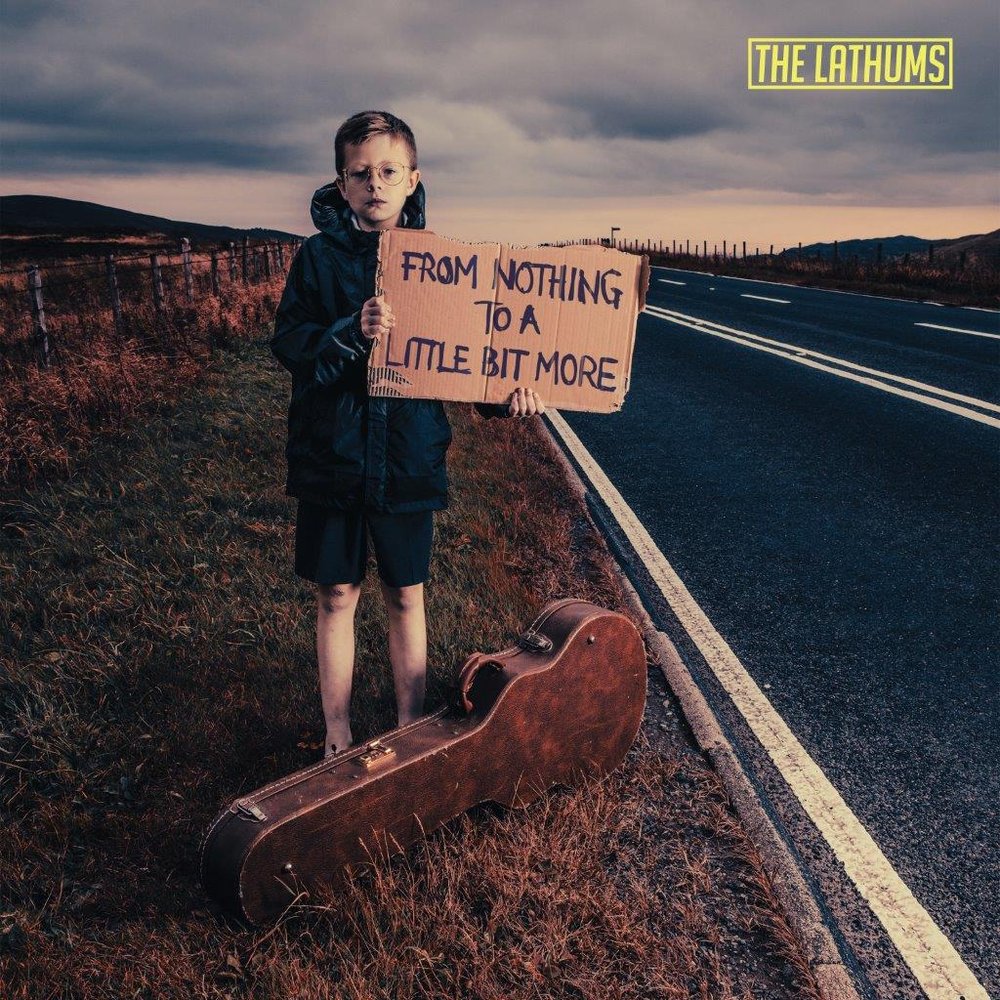
After the success of their debut album, it was always going to be a complex task to make the second record just as good or better than the debut. So many have yet to live up to the expectations of their debut because they gave everything to ensure they would spark instant attention, so they appear to fall short either through sheer panic or loss of creativity. Unfortunately, if the second album is a miss, the attention seems to dwindle, and you fall down the pecking order on the festival bill. After “How Beautiful Life Can Be”, could “From Nothing to a Little Bit More” live up to the expectations the fans and listeners demanded?
Well, although the album is more in-your-face this time. There is still that formula the band used from the debut. The biggest shock, despite being signed to his label, is the band hasn’t brought in the Coral’s James Kelly on production and opted for Jim Abiss, who produced the Artic Monkeys record “Whatever People Say I am, That’s What I’m Not” and of course “19” and “21” by Adele. As you can see from the albums mentioned that Jim has a good track record of producing brilliant records. The opener ‘the Struggle’ further proves Jim’s pedigree.
The song is about a relationship split, where once again, just like he did on the reflective tracks on the debut, Alex Moore bares his soul. It may be a slow song, but the tempo goes up in the chorus fit for the arenas and festivals they will be playing in shortly. A few fans think this is when Alex is at his best.
Four teasers were released before the album, and the consensus appears that the former is the best. However, I beg to differ. ‘Sad Face Baby’ sounds similar to the Stereophonics and a bombastic chorus where Alex belts it out. The same goes for ‘Say My Name’. Yes, reflective songs are good from time to time, but it is the energetic ones that get the crowd going, like the two mentioned above.
You would have noticed upon listening that the album is packed with attitude and full-on rock. Still, as with any record and during live performances, the tempo inevitably drops to settle everyone down. ‘I Know Pt 1’ is a slow-tempo track with a plodding soft electric guitar, which reminded me of 50 rock or ‘Unchained Melody’ by the Righteous Brothers. It surprised me because I wasn’t expecting a band full of 20-somethings to use that concept. Many would struggle to know who Buddy Holly is, yet alone be able to know the kind of melodies adopted in that era. Then another slow one is ‘Lucky Bean’, and I could hear ‘Rotterdam’ by the Beautiful South.
Their albums are pretty balanced in their career so far. The attitude and reflective tracks share them. I do not see any issue with this, but some out there would rather have a record packed with energy and less reflective moments. It could be what the band is known for when they go into the studio. As long as it makes a live performance flow, who cares?
It was a surprise when fan favourite ‘Crying Out’ didn’t make it on the debut, and it is even more of a surprise that the band included it on this album when the four-year-old song was not considered good enough before. The track in question is part acoustic, part electric. The song begins with Alex singing softly over an acoustic guitar before the song explodes, with Alex screaming out the vocals to match the tempo. Because the fans class it as their favourite, and it was well received on the ‘How Beautiful Life Can Be’ tour, I imagine the band only felt it was right to include it on their second record.
Alex’s songwriting has improved since the debut, evident on the closer ‘Undeserving’, their ‘Champagne Supernova’ moment. The song is eight minutes. I prefer this to the debut. The songwriting is better, and the overall production will be brilliant when they promote on the road.
9/10
Song recommendations: ‘Sad Face Baby, ‘Lucky Bean’, ‘Crying out’