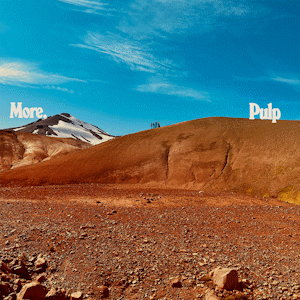
Week 24: Pulp- More

Before their stroke of fortune of being bumped up to Glastonbury headliners in 1995, and of course, the success of ‘Common People, Pulp had been plying their trade for over a decade with little success. However, their rise from playing pokey venues in Sheffield to performing in stadiums, and of course, being on the iconic 1996 Knebworth Oasis gigs, shows that with a little patience, you can get to where you want to be. The band finally found their home in the 90s, thanks largely to their counterparts Oasis making indie rock cool again. Jarvis was seen as an elder statesman of the scene despite still being relatively young in his early 30s. The band emerged from post-punk in the 1970s and began with a teenage Jarvis Cocker inspired by David Bowie, and Roxy Music formed the band in 1978 using the original name Arabicus Pulp. The band flirted with various sounds and had frequent lineup changes while trying to search for their identity that began to take shape in the late 80s.


Before the hedonistic days of the 90s, the band, despite their indie status, had a strong connection with their fanbase, which remained small but loyal. They released several singles and albums that explored themes such as adolescence, boredom, and sex, all tinged with melancholy. Interestingly, tracks like ‘Babies’, now a regular feature in their setlists, were born during this period, showcasing frontman Jarvis Cocker’s storytelling talent, lyrical prowess, and knack for crafting a hit that vividly depicts life in Sheffield and his time at St Martin’s College in London, where the iconic ‘Common People’ story began.


Then came the breakthrough years in the 1990s. Jarvis had changed the lineup during the mid-80s and brought guitarist Russell Senior, keyboardist Candida Doyle, drummer Nick Banks, and the late bassist Steve Mackey. Pulp finally found their wall of sound that would bear fruit in the following decade. That sound would include glam rock, art-pop, and lyrical storytelling, all delivered with charisma by frontman Jarvis Cocker, the band’s founder in 1978.


The band’s 1992 single, ‘O.U.’, marked the beginning of their success and appealed to a broader audience. This success paved the way for their 1994 album “His n Hers”, a collection of songs that featured relatable storytelling. Popular songs such as ‘Do You Remember the First Time?’ let the audience feel a personal connection to the band’s music. This is where frontman Jarvis, a witty storyteller, arrived, further enhancing the emotional connection between the band and their fans.
“Different Class” followed a year later, and this is when things really took off for the band. ‘Common People’, which had a dig at the class divide, was fast becoming a frequently played song and evolving into an anthem for the band. ‘Disco 2000’ and the controversial ’Sorted for E’s & Wizz’ showed Jarvis’ witty and comedic storytelling over unforgettable melodies. The album would beat Oasis, among others, for the Mercury Prize in September 1996. It is also worth noting that their fan club president, Mark Webber, joined them as a guitarist/keyboardist in 1995 when they commenced recording the now legendary record.


Guitarist Richard Hawley became a touring member in the late 90s and early 2000s. The band appealed more to the misfits and quiet ones compared to the brashness and laddishness of the Oasis fanbase.


If you are new to Pulp, I would start with the iconic “Different Class”, but after, give “His n Hers” a listen to experience Jarvis’s lyricism with the band’s raw energy. You will realise why Pulp, even during their hibernation, has always been relevant in music conversations. Jarvis’ lyricism is like the poetry of everyday life accompanied by instrumentation. It also shows why they are still adored internationally—enough of the introduction. Yes, I could have mentioned the indie rock departure of “This is Hardcore”, but I was in danger of boring you. So, let us move on to the long-awaited record.


Pulp has finally completed its eighth album after a gap of twenty-four years between 2001’s “We Love Life” and now. It is also, sadly, the first record without their bassist, Steve Mackey. Although “More” addresses middle age daily life, compared to their iconic 1995 album “Different Class”, Pulp has not lost the magic that made them so popular in the 1990s.


From wanting to be noticed in their heyday, this album is more based on nostalgia than in the future. There are two tracks where enigmatic characters appear in ’Tina’ and ‘Grown Ups’ who seem to be individuals from Jarvis’ past.


Do not be fooled by the notion you are just listening to songs because with Pulp, it is more than merely instrumentation with nonsensical lyricism. The songs have always been poetic lyricism, and this record is no different. The tracks all formulate a meaningful story; sometimes, Jarvis delivers these in spoken word. Be it through the interludes or breakdowns during the tracks. Pulp is not aiming for chart success with “More” but is looking to structure the songs however they see fit while keeping the listener interested with the storytelling over various genres. This is not your typical pop-friendly album.


Despite not aiming for chart success, the band maintains a unique and unmistakable identity firmly embedded in their record. Each element contributes to the band’s distinct style, from Nick Banks’ driving drums to Mark Webber and Candida Doyle’s elan and Jarvis Cocker’s exemplary storytelling and witty lyricism. The band’s dynamic combination of these factors, however, is what truly excites and engages the audience.


The album explores several phases of human emotion. ‘Got to Have Love’ is what I would describe as a Smiths/Oasis/Killers song laced with melancholy over uplifting instrumentation. In this case, it is more indie-disco, like a fair few of their hits were in those heady days. ‘Farmers Market’ swings the mood with a romantic story encased by a piano and violins to bring it to life.


’Spike Island’ opens the record with a short, amusing story, setting a feel-good tone. ‘Hymn of the North’, the penultimate track, is a heartfelt tribute to their beloved Sheffield. The closer ‘A Sunset’ wraps up the album on a note of tranquillity, leaving you calm. Unfortunately, I haven’t had the chance to listen to the bonus track ‘Open Strings’ to see how it might alter the album’s ending. The verses in ‘A Sunset’ resemble the late Johnny Cash’s rendition of ‘Hurt’. Whether this was a deliberate homage from Jarvis or a happy coincidence, I can’t say.


“More”, for me, has something for everyone. It is not based in one genre. The lyricism and storytelling are outstanding, and I am excited about what comes next because it was worth the twenty-four-year wait. Despite the tragic loss of Steve Mackey, the band has not lost their touch, aided by their old friend Richard Hawley. Pulp is in rude health, and the impending tour will be fantastic. The magic is still there; they deserved to be at the top of the chart. Form is temporary, but class never fades.


Song recommendations: ‘Farmers Market’, ‘Hymn of the North’. ‘Got to Have Love’


9/10
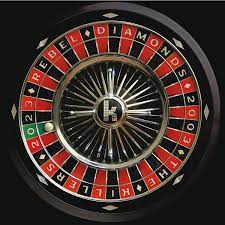
Week 50: the Killers- Rebel Diamonds

A mixture of brief and long track-by-track reviews:

Jenny Was a Friend of Mine:

Powerful bassline depicting the fictional story of a girl called Jenny who was murdered. Morrissey(who Brandon is a fan of)inspired him to write the song, which is part of the murder trilogy featured from the “Hot Fuss” period. Frontman Brandon Flowers also said that Alice Deejay’s 1999 smash ‘Better Off Alone’ inspired the sound.

Mr Brightside:

THE iconic anthem that has stood the test of time for the band. It doesn’t matter where you are; everyone will know the words( to the chorus, at least.) and sing them at the top of their lungs with their arms aloft or their fist punching the air. Brandon said this track came to life after he suspected his then-girlfriend was cheating on him. Brandon woke up and went down to the Crown and Anchor public house in Las Vegas and saw his girlfriend cheating. The backing track had already been done before Brandon added his heart-wrenching vocals, followed by the drum machine featured on the demo. The anthem was initially met with disdain during its initial live performances and gathered momentum after the release of ‘Somebody Told Me’.

All These Things That I’ve Done:

Brandon admitted to imitating the late Lou Reed’s vocal delivery for this track. The song features the Gospel group Sweet Inspirations. The bassline was lifted from the late David Bowie’s ‘Slow Burn’. 

Somebody Told Me:

Their second single, which had an Oasis-esque vibe, is about trying to pull someone in a nightclub. Brandon cleverly added both sexes in the chorus so both could relate to the meaning behind the song. Pulsating drums and spacey synthesisers over raucous guitars will have you headbanging, dancing uncontrollably or stamping your foot.

When You Were Young:

The synthesisers are warmer than what was heard on “Hot Fuss” over lyrics referencing hurricanes, heartache, and Jesus, specifically in the chorus). The synthesiser takes centre stage with its riff featured on the chorus. There is an element of folk in this 80s synth-pop song.

Read My Mind:

Brandon has said this is the best song he has ever written and declared it his favourite for the band. Again, it is an 80s-inspired synth song with amazing vocals in the verses and a riff that still sticks into your head almost two decades later. Brandon said this originally started as ‘Little Angela.’

Human:

I never understood the lyrics ‘Are We Human? Or are we Dancer?’ However, it is an infectious hook, and maybe due to its melody, it makes the outlandish lyrics redundant. Furthermore, many people have questioned what the lyrics mean because, as you can see, they do not make sense. The track featured a synthesiser, snappy guitar riff, and hi-hat riff, with a second synthesiser coming in the second verse: catchy synthesiser, and full drums in the first chorus. The second chorus features high synth strings, which lead into the middle eight and are accompanied by drums, bass, and vocals. The third chorus is a breakdown featuring the sounds heard so far, with a fade out on the final chorus.

Spaceman:

It is a song about meeting an alien, which gradually affects the main character’s sanity over multiple synthesisers with driven guitars coming in on the chorus. The standout has to be the drumming by Ronnie Vanucci. On a side note: When Noel Gallagher met the band, he ignored the other members and approached Ronnie. At the time, the then Oasis leader was looking for Zak Starkey’s successor.

A Dustland Fairytale:

It’s a song that sounds like it could be in a school assembly. There is an updated version featuring Bruce Springsteen, which was recorded in 2020. The acquisition of the Boss makes the re-recording better than the original version.

Be Still:

An unimpressive ballad.

Runaways:

This track is Bruce Springsteen-esque.

the Man:

I am not a fan of it, to be honest. It has that 1980s feel to it (I tend to cringe at most of the music from the 80s when I hear them played.). Don’t get me wrong, I like some 80s disco, but this had far too much to my liking, and I certainly wouldn’t put it in the Nile Rodgers category (I would have liked it, then.).

Caution:

Sounds like four bands rolled into one song. The intro is very Tame Impala, the verses are the War on Drugs and Slowdive, and the chorus is the Killers. Once again, the lyrical content and the story draw you in. There’s even an appearance by Lindsey Buckingham on the lead guitar. The story is about rolling the dice and throwing caution to the wind regardless of the consequences because you don’t want to regret missed opportunities.

My Own Soul’s Warning:

It is a slow-building track that bursts into a traditional Killers wall of sound. You can never forget the sound for that reason alone. The fable is quite religious, and what happens when you start questioning its validity? 

Dying Breed:

Brandon goes for it on this song, especially in the chorus, as his vocals grow in volume. It’s a typical Killers track with all the synthesisers, et cetera. One to get the seating section up on their feet for a dance at the gigs.

Pressure Machine:

This is my third choice recommendation from the album with the same name. However, apart from the story being told, it lacked a hook and a chorus. It felt more like Spoken Word than the bombastic sound we know the band for.

Quiet Town:

A fable about two individuals killed in a 1994 car accident in Utah 1994 when a train hit them at a crossing. This song has some meaning to Brandon because he hails from the same town in Utah where the incident happened. He also saw one of the victims that day morning on the way to school. The song is broken down into verse one: the accident. Chorus one: How it shook the town, and what these Mormons are like. Verse two: 20 years after the accident, discussing the opioid stories. Chorus two: How the people live their lives and how their faith will pull them through. Verse three: Brandon outlines how he feels when he returns to his hometown. Chorus three: The local folk are good people and help those in need—verse four Talks about the train remembering taking those lives. Overall, the song is taken from the point of view of a train worker who witnessed the incident. The worker also says how the train kills someone every two or three years, maybe depicting that individuals intentionally commit suicide by being struck by the train. Why? Well, one of the lyrics is, “You…I, I think the train is a way to find your way out of this life if you get hit by it”.

Boy:

Chopping hi-hats, dazzling guitar riffs, and Brandon’s personal lyrics over their usual synth rock. The topic is Brandon addressing himself and his children about the past and the optimism of the future.

Your Side of Town:

Quintessentially the Killers.

Spirit:

The sole new track on the album, and closer samples Underworld’s iconic ‘Born Slippy’ over the band’s quintessential sound. 

Song recommendations: ‘Mr Brightside’, ‘Somebody Told Me’, ‘Spirit’

8/10

Week 19: Arcade Fire- WE

Win and company took on board the harsh criticism of “Everything Now” and the poor sales to make a more Arcade Fire record. I cannot understand why their previous album, “Everything Now”, was so widely panned by critics because I gave it a glowing review and thoroughly enjoyed hearing the tracks performed on tour. Many say it was a trip into the unknown for Arcade Fire, so it didn’t suit their style. However, in “WE”, the band have returned to what the fans and casual listeners loved them for. They employed the services of the legendary Radiohead producer Nigel Godrich, with Geoff Barrow from Portishead, Father John Misty, and another music legend for his production and as a member of Genesis and solo artist Peter Gabriel. Quite a mixture of producers and some contrast between Nigel and Peter.


As you can imagine, the album contains songs that tear off arena roofs and pierce the stadium sky. You have juddering synth pop-rock, which balances elements of the War on Drugs, the Killers, and, dare I say it, Slowdive. Those elements are found in ‘Age of Anxiety I’ and the two-part ‘the Lightning’. I say “two-part”, but for me, it isn’t. Why? Even though some of the songs are split into two parts, they sound more like a continuation of the previous part with a few subtle adjustments in the second part. You then have what can only be described as folk with a pulsating bass for ‘Lookout Kid’. It was ‘End of the Empire I-IV’ where the introduction echoed the late John Lennon’s ‘Imagine’. It may have carried on in the same vein, but after it passes the introduction, you soon realise it is an entirely different song altogether. This is the longest track, clocking in at nine minutes when you combine the two tracks. Given the current landscape within music, the band took a risk by going with a song that sounds like John Lennon might have written it, but then Arcade Fire knew their fans would appreciate it. After all, the band are not known for churning out generic pop.


There are a few flirtations with other sounds like ‘Age of Anxiety II(Rabbit Hole)’, which seems to change from the first part entirely and head into dance territory. Even with their experimentation, they kept the listener interested, which they failed with on “Everything Now” (I need to revisit my review to see if I concur with the consensus.). To my astonishment, the songs were also poorly received during the previous tour, which I cannot quite fathom. I enjoyed the majority of the songs on that tour.

The only element kept from “Everything Now” is the lyrics. The band once again aim at the adverse effects of the internet. Some of the songs are just dire. For example, ‘Age of Anxiety II(Rabbit Hole)’ with ‘Rabbit hole, plastic soul, born into the abyss, new phone, who’s this?’. I mean…wow. It’s not going to be nominated for an Ivor Novello, right? The instrumentation rescues the lyrics, which is a shame because I have heard their iconic songs with deeper meanings, and the lyrics are more polished. This reminds me of what Liam Gallagher tends to write when he isn’t getting assisted by other songwriters.

I enjoyed “WE” for most of the listen, but then I enjoyed listening to Arcade Fire. They looked at the previous record’s reception and took action to ensure they were not forgotten about or relegated to a lesser stage at the festivals. The band has ensured they will remain high up the bill at festivals by going back to basics, save for the lyrics. 


Song recommendations: ‘End of the Empire I-III’/End of the Empire IV(Sagittarius A*), ‘the Lightning I/the Lightning II’,
‘Age of Anxiety I’


7/10

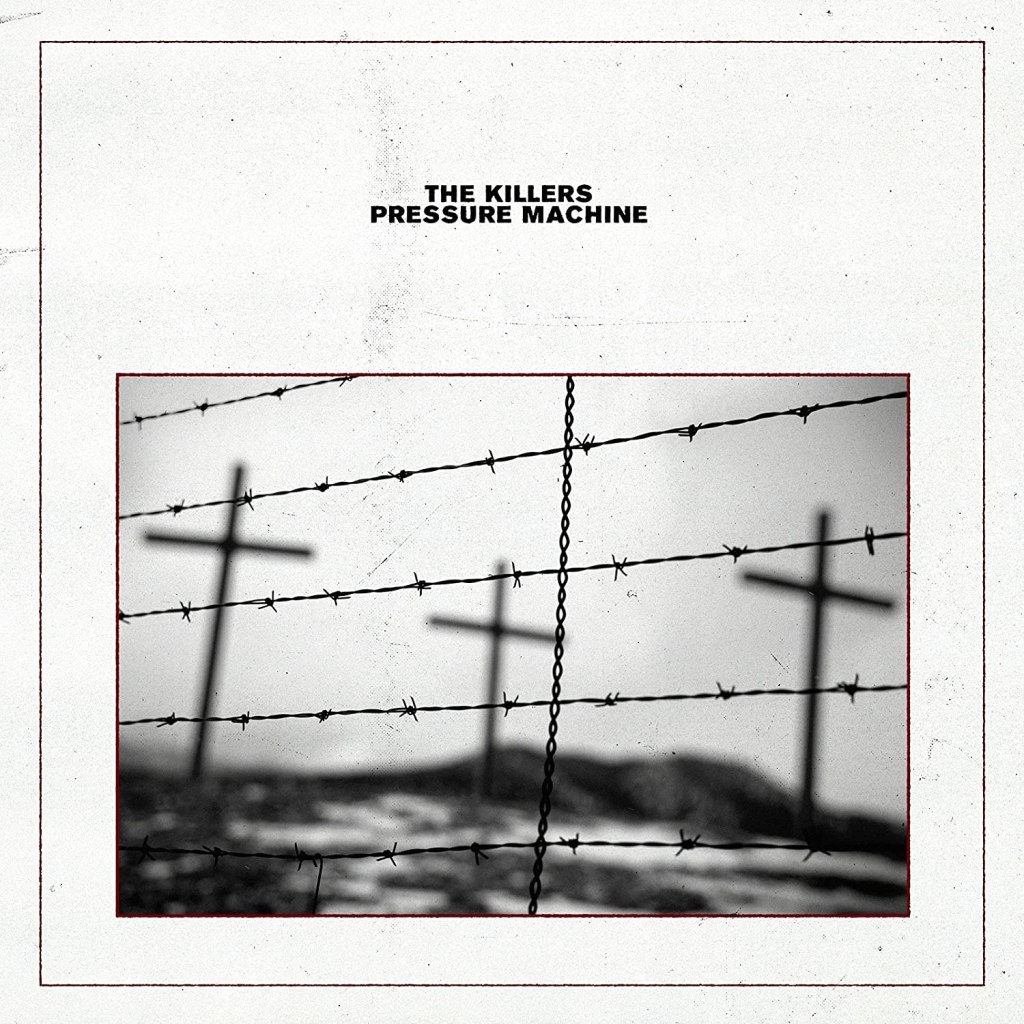
Week 34: the Killers- Pressure Machine

Well, there’s no need to do a brief introduction on this Californian band. I have already reviewed their previous two albums, which I immensely enjoyed. However, their third record since 2017 has left me somewhat cold. It is in the same vein as “Sam’s Town”. It’s less of an album and more of a short story set to music. What exactly do I mean? It’s on novels by Steinbeck and Sherwood Anderson (If you know your books, they will sound familiar to you. However, I only read autobiographies as fiction bores me.) The record celebrates working-class America in the small towns and their fight against capitalism that is destroying their resources piece by piece. 

It’s weird when the band is from a big city on the West Coast riddled with celebrity and materialism. The lyrics detail America’s small towns soberly against a backdrop of country music. Indeed, it’s not a typical record by the band. When you think of the Killers, your go-to is synths and guitars. In some ways, the band must be applauded for calling out the capitalists for how they are killing the small towns. Seeing music ready to call out those who deserve to be named and shamed is always refreshing. I love the arts because they were built on anti-establishmentarianism and give a voice to the oppressed.

Am I contradicting myself? Maybe a little bit. I wasn’t a fan of the slow tempo and melancholic melodies you would associate with Brandon’s heroes, the Smiths, but the lyrics are lovely and thought-provoking. It isn’t always about the music. Sometimes, it’s about the topics, lyrical content or a combination of all three factors. 

“Pressure Machine” will probably not be well received by the casual listener of the band like myself. Still, I can imagine the hardcore element will find this newish approach just another side of the Killers. It’s not an album that will be “trendy”. Fair play to them for going in-depth on the plight of the working class in America and feeling passionately enough to go against the grain and make music with it. 

When you listen to the lyrics, they don’t jump at you in the form of a song, but more like you were reading poetry. I have heard some describe “Pressure Machine” as quite “catchy”, but honestly, I didn’t sense what the Killers are known for. No hooks and no catchy choruses. To be brutally blunt, I found myself drifting off when listening. It certainly isn’t going to increase their fan base, but what it lacks sonically, it makes up for with the lyrics and the topic. I struggled with song recommendations, but fear not; I did manage to compile the usual three.

Song recommendations: ‘West Hills’, ‘Runaway Horses’, ‘Pressure Machine’

6/10

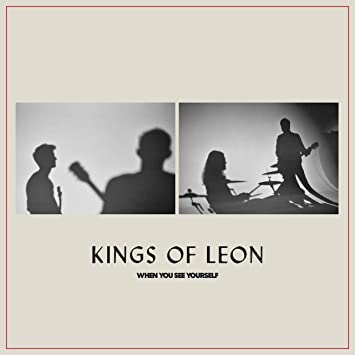
Week 11: Kings of Leon- When You See Yourself

My first introduction to the band from America was in 2009 when “Sex on Fire” was heard in pretty much every nightlife establishment you went into. Indeed, my friends and I sang it at the top of our voices and even changed the words to go with an ex-Newcastle United footballer. I’m sure others sang it that way before us. The old “Yourrrr Temuri Ketsbaia”. Now, Kings of Leon are very much like Bush. Why? Because they are popular everywhere else except in their native land. Bush is from London, but their Grunge sound never stood a chance when Oasis and all the other Indie bands came along. Because people over here were not so much into listening to Soundgarden and Nirvana at that point, the same could be said of Kings of Leon. When they came along, America wasn’t interested in listening to a band whose sound was more attractive to the European market. Unlike the Killers, whose sound was very much inspired by Oasis and the Smiths when they first started to make inroads and gradually started to win over fans from their homeland, America never took to Kings of Leon, and as far as I know, that is still the case. I am in the minority regarding the band in Europe because I am not a fan. I liked “Sex on Fire”, but that’s it for me. 

I am going to quote my friend Tommy about Kings of Leon. I told him I listened to the new album and told him to listen because he would be surprised by some of the songs. He told me he would make a conscious effort to listen to it because the band are no longer kids anymore and is more mature. Now, I concur. When you listen to the lyrics, you can hear their maturity. They’re no longer singing about getting drunk and living that wild life.

The opening track is the title track, but the title is slightly different from the name of the record. It’s called “When You See Yourself, Are You Far Away.” immediately upon listening, the track got my attention because of the Jaws-like sound to it (Jaws the band, by the way.), you can also hear an electric guitar plucked throughout, which sits nicely rhythmically, and a xylophone, which I would never have associated with the band using. I then highlighted “100,000 People” to Tommy because it’s a slow plodder with a dreamy chorus that sounded Indie, and then a synthesiser that you would associate with the Killers, so you can imagine Brandon Flowers being all over it. Then, there is the “Golden Restless Age” because it sounds like the War on Drugs. Apart from that, the rest of the album sounds like Kings of Leon with more grown-up subjects. However, those three tracks I mentioned to Tommy caught my attention, and for those fleeting moments, I enjoyed listening to the band.

Because of those three tracks and the departure from talking about sex and whiskey all the time, there is something to look forward to in the future from the band. They have shown that they are ready to tackle more sobering issues and are willing to dabble with the sound. If the band makes something entirely out of the ordinary next time, they show they aim to be around for another decade. Who knows, they might get America on board and remove the stigma of “They’re a band for the Europeans with their Indie Rock.

Song recommendations: “Golden Restless Age”, “When You See Yourself, Are You Far Away”, “100,000 People”

8/10

Week Thirty-Five: the Killers- Holding the Mirage

Here is a track-by-track review of the band’s sixth studio album:

My Own Soul’s Warning:

This is the first track I heard off the album while I tuned into Absolute a few weeks before the album was released. It is a slow-building track that bursts into a traditional Killers wall of sound. You can never forget the sound for that reason alone. The fable is quite religious, and what happens when you start questioning its validity? 

Blowback:

I remember while listening to this track if there is a deliberate drug reference behind the title. Because we all know when you partake in doing a blowback. However, the subject is altogether very different. It is about a lady trying to forget the past and move on but keeps getting blown back to times she would rather forget. Brandon Flowers has shown his ability to compel you with his lyrical content and stories. As the song draws to the end, two men appear to discuss the lady and how one has strong feelings for her, but the other man asks if he is willing to stay when the past creeps back in.

Dying Breed:

Brandon goes for it on this song, especially in the chorus, as his vocals grow in volume. A typical Killers track with all the synthesisers, et cetera. One to get the seating section up on their feet for a dance when venues are back to total capacity.

Caution:

The single promoting the album sounds like four bands rolled into one song. The intro is very Tame Impala, the verses are the War on Drugs and Slowdive, and the chorus is the Killers. Once again, the lyrical content and the story draw you in. There’s even an appearance by Lindsey Buckingham on the lead guitar. The story is about rolling the dice and throwing caution to the wind regardless of the consequences because you don’t want to regret missed opportunities.

Lightning Fields:

For the second track in succession, there is a feature in the form of K.D. Lang, and it works because her heartfelt vocals add to the whole aspect of the song. This is Brandon’s ode to his mother. As I said, it is Lang’s vocals that stand out over a typical Killers track that is inspired by the 80s. (It is hard to believe that when their debut was released, they were dubbed the American version of Oasis.).

Fire in Bone:

There is a bit of experimentation for the band here as they try doing funk. This reminded me of the prodigal son story from the holy bible, where you are forgiven for your wrongdoings upon your return. I especially love the lyrics, which thank the person for being there when they thought they were alone. It is also a reminder that only some of the time do we need to make it out of the dark without help and can confide in others. This is Brandon once again telling his wife that he’s always going to be there and she doesn’t have to suffer from her mental illness in silence. This could be a track that wasn’t quite good enough for the previous album, but Brandon felt that its unique beat and storyline fit perfectly on this record.

Running Towards a Place:

What with the biblical story on the previous track and the ongoing theme of religion, this album is very much invested in faith, and it’s no different on this track. Brandon could be a religious Mormon, but I am unsure. But on this track, he wants to believe that heaven and hell exist and to go to heaven and take the people he loves and cares about. Brandon has done a lot of soul-searching during the production of the record.

My God:

Weyes Blood’s vocals complement Brandon’s beautifully over what I can only describe as a hymnal rock (Does that genre exist? Surely, it must do?). I know that Brandon talks about being relieved that something weighing him down has now been lifted and wants to celebrate that fact. It might be again about his wife and how talking to her and dedicating a whole album to her mental health has made him understand and become a better person and husband.

When the Dreams Run Dry:

This appears to be a follow-up to “Running Towards a Place” with the theme of getting to heaven but aimed more at the pop market and seems to be the sole pop track on the entire album.

Imploding the Mirage:

The album closes with the title track and is appropriately upbeat—the best way to complete any record. You want the listener to have enjoyed the experience and leave them washed with euphoria as the last song fades out. Brandon talks about how he first locked eyes with his wife and how their opposite personalities were worth the danger of combining—a superb way to end another magnificent album.

Song recommendations: “Holding the Mirage”, “My Own Soul’s Warning”, “Caution”.

9/10

Week Thirty-Nine: the Killers- Wonderful Wonderful

The_Killers_-_Wonderful_Wonderful

In the News Musical Express, I once read that frontman Brandon Flowers spent most of his time apologising for the last album. So, was there an improvement from the 2012 record, “Battle Born” (I actually didn’t find it all that bad.)? To be blunt, yes, there was.

This record has gone more diverse with its sound, akin to upbeat indie, psychedelic and country. If I were to draw comparisons, Arctic Monkeys, Tame Impala, and Mumford and Sons have inspired them. It will certainly be a shock to the system for the avid followers of the band and may turn them off their music. If it does, then you’re just ignorant and close-minded to the fact that with music or any art, you are free to express yourself in any way you wish. So, I tell the avid followers to listen with an open mind. There’s quite a bit of a 1980s touch to the album, and it is choc full of great tracks that are uplifting despite it being only ten tracks long.

“the Man” was the first single to tease the new record that is the second track in. I am not a fan of it, to be honest. It has that 1980s feel to it (I tend to cringe at most of the music in the 80’s when I hear them played.). Don’t get me wrong, I like some 80s disco, but this had far too much to my liking, and I certainly wouldn’t put it in the Nile Rodgers category (I would have definitely liked it, then.). Bad start to the album? Well, it’s 50/50, as I quite liked the title track.

My favourite track off the record for me has to be “Some Kind of Love”. This slow-paced track grabs your attention from the very first listen. The track sent me into a zen-like state with high-pitched backing vocals and Brandon’s soft vocals that allow you to take a break from reality and enter into another realm with nothing but peace and harmony.

The next standout track on the record was the track that followed, “Some Kind of Love”, titled “Out of My Mind”. Brandon actually wrote that track for his wife Tana, who suffers from anxiety and depression that led her to be diagnosed two years before this record was released, with post-traumatic stress disorder that was the result of her tough time growing up as a child. Already, you can tell this track is very emotionally charged, and Brandon certainly delivers that 

with heartfelt vocals. 

Most of this album has tracks that mention the emotions Brandon was experiencing in 2015 when he came off his solo tour to look after his wife. He stated that he found it extremely difficult to talk about her condition on the record but that it felt very powerful and helped him through a difficult time for both of them. Brandon even name-drops on this track about encounters with Paul McCartney about how the Killers met him at New Year’s Eve party, and he was too overcome with emotion to speak to Paul’s daughter, Stella, who was filming this gig. Then, he mentions how he tried to impress his wife when he met Bruce Springsteen, but all she was interested in was that she wanted him to be a good person and the ideal husband.

Overall: I loved that the album touched on the issue of mental health hidden behind an array of music genres and that Brandon let all his emotions flood out at a challenging time. I also found it extremely sweet that he practically dedicated an album to his wife, and although I didn’t like “the Man”, he pretty much conveys the message that he is the only one for her and will stand up and be counted. I’m sure Tana was very touched by “Wonderful Wonderful”. As I said previously, I didn’t think the previous album, “Battle Born”, was as bad as Brandon makes out, but this record eclipsed that easily with its raw emotion and touching on a subject that is a long way off losing the stigmatisation that envelopes it. Not only is it a great album, but it raises further awareness about mental health. With music’s power, the message certainly won’t be disregarded. 8/10