Week 19: Pink Floyd: at Pompeii MCMLXXII 2025 Edition

I must confess that due to the band’s rich history, it is difficult to write a brief introduction to Pink Floyd. So strap yourselves in because this is going to be a long one before I finally get to the review.


When you think of Pink Floyd, you think of more than psychedelia and progressive rock, deep lyricism, and sonic innovation. You think of extravagant light shows, brilliant cover art, and far-out films. Despite the band being currently dormant, their music still resonates to the present day.


Pink Floyd’s journey begins in the swinging 60s(1965 to be precise)in London, with the original members consisting of the late Syd Barrett, Nick Mason, Roger Waters, and the late Richard Wright. The band’s sound was a product of the psychedelic experimental era, with Syd’s whimsical lyricism capturing the essence of the time. The perfect example of this influence was ‘Arnold Layne’ and ’See Emily Play. The band was already setting itself apart from anyone else, creating a deeply nostalgic sound of the 60s era.


Of course, as most bands will experience, they were faced with adversity when their chief songwriter, Syd Barrett, who had his demons, departed in 1968. However, his departure became a key moment in the band’s wall of sound that would follow. David Gilmour would be recruited, and his blues-inspired guitar work and soulful vocals would send the band on a more progressive rock trajectory, and the songwriting would also become structured.


The band’s best period would be the 1970s, with a string of iconic albums, such as the masterpiece “The Dark Side of the Moon”, which fearlessly addressed subjects such as madness, greed, and mortality. The thought-provoking lyricism, soulful vocals and ambient soundscapes hooked listeners in, and it is not hard to see why it became a best-selling album. This was followed by “Wish You Were Here”, a tribute to the departed Syd Barrett and a critique of the music industry. “Animals” was next. A record inspired by the late George Orwell’s Animal Farm novella, with the band becoming more political. Each album showed the band’s courage in addressing more complex and controversial themes.


The final album released from this period would be 1979’s “The Wall”, a rock opera thought up by Roger Waters that explored controversial themes like dictatorship. The record would be a stage show, and a film that featured Boomtown Rats’ frontman Bob Geldof taking the lead. It showed that the band were more than just music.


The band would face more adversity when the late Richard Wright departed, and Waters would be embroiled in a legal battle with the remaining members. Even though the band appeared to be in turmoil, Gilmour would become the leader for 1987’s “A Momentary Lapse of Reason” and 1994’s “The Division Bell” Waters and Gilmour would become bitter enemies for several years while the legal battles swirled.


It wasn’t until 2014 that the band set aside their differences and returned to the studio to record “The Endless River”, an album focusing on instrumentation that remained unreleased from “The Division Bell” session during the early 1990s. It is their final album to date.


As mentioned earlier, the sleeping giant is more than just a band. They are innovators who pushed the boundaries of their use of sound and technology; they are films and embody the concept of art. Their music still resonates with listeners regardless of their age. The reason being not only for their progressive rock, but also for their ability to address complex and controversial issues. From the beginnings of psychedelic rock to being more experimental during their later records, they remain one of the most influential bands in music history and their legacy is cemented.


Now, let us begin the track-by-track review:


Pompeii:


Not much to explore here. Just a brief instrumental.


Echoes Part I:


As you can imagine, there is more room to play with live, so the band makes the live performance last more than ten minutes. The second verse stands out with David Gilmour’s axemanship, which sends shivers down your spine. The song ends abruptly after an extended guitar solo from Gilmour, and later on, you will find out why.


Careful with that Axe, Eugene:


The song has a lot of keyboard noodling by the late Richard Wright, but it goes from mellow to Roger Waters letting out a bloodcurdling scream during the frenetic section, before returning to mellow ambience.


A Saucerful of Secrets:


We encounter a unique melodic complexity as we reach the midpoint of the live album remix. While it may seem discordant, this very element is what piques the listener’s interest, turning the experience into a journey into the avant-garde nature of the song. Gilmour’s heart-wrenching wordless harmony over the final organ chords is not just a standout; it’s a moment that genuinely moves the listener. And let’s not forget Nick Mason’s drumming on the live version, which is equally captivating.


One of These Days:


It may lack the polished crescendo of the studio version, but the live version shows their ability to translate the complex soundscape onstage. Once again, Nick Mason is the standout performer, with David Gilmour dominating the second half with his effortless guitar playing.


Set the Controls for the Heart of the Sun:


The highlight of the concert. It perfectly captures their spooky and hypnotic vibe. Their dynamic soundscapes are fully displayed, showing quiet introspection into those intense and powerful crescendos.


Madomoiselle Nobs:


It seems out of place with the concert so far, despite Gilmour’s harmonica.


Echoes Part II:


As mentioned earlier, the song is split into two sections, and after the abrupt end comes the cosmic seagull section. The standout is Gilmour’s guitar performance leading into the final verse. It seems odd to split this one because it sounds much better and makes more sense in full.


The remastered 2025 version concludes with an alternate take of ‘Careful with that Axe, Eugene’, and the unedited version of ‘A Saucerful of Secrets’


Overall:


Despite the inevitable flaws of live performances, this album perfectly encapsulates the band’s experimental spirit, extended instrumental jams, and dynamic soundscapes. It’s an album that would truly come alive under the influence of a hallucinogen, with the instrumental jams conjuring up some truly eccentric images. This record will undoubtedly resonate with the Pink Floyd connoisseur, offering a unique experience that may prove challenging for the casual listener due to the lack of lyricism.


Song recommendations: ’Set the Controls for the Heart of the Sun’, ‘ A Saucerful of Secrets’, ‘Careful with that Axe, Eugene’


7/10

Week 4: Green Day- Saviors

My biggest fear for the record was that Billie-Joe Armstrong was going to water down the lyrics like he did recently for ‘American Idiot’ during a performance earlier this month. I wondered why he did that. Was he trying not to offend those referenced as “redneck” in the original lyrics? Or did he just want to let the Make America Great Again movement know he wasn’t a part of their agenda? I was worried Green Day would lose that punk ethos after that performance. However, I am pleased to say that is not the case, and they still have that political drive we know them for.

The opener ‘The American Dream is Killing Me’ sounds very familiar, and that is because it has an ‘American Idiot’ feel, so that’s one of the political songs. ‘Strange Days are Here to Stay’ addresses the use of heroin but also attacks racism, Über, and what the bullshit governments/politicians promise to deliver and never do. ‘Living in the 20s’ was a lot darker than any of the tracks on the album as this talks about mass shootings, which happen frequently in America. ‘Coma City’ also addresses that issue but also attacks police for their unnecessary use of force. All of the above have anthemic choruses and will send the audience wild during live shows. The punk spirit, passion, and fist-pumping will be palpable.

They also take a sarcastic swipe at their generation and nod to the 90s classic film Trainspotting. ‘1981’ reminded me of the likes of Clash and the Ramones. The lyrics reference the Cold War and East Berlin. They even reference the present, especially on ‘Fancy Sauce’, which is tongue-in-cheek.

The record spans across all decades. ‘Dilemma’ sounds like the 50s rock, and if I recall correctly, the last album I reviewed of theirs was pretty much a record packed with that particular genre, which I said, at the time, took me by complete surprise because it was more their cover band  (Coverups)than them. Don’t be fooled by this; the song swings from that to the usual Green Day sound continuously over a hard-hitting subject of addiction. There is also the gender-neutral ‘Bobby Sox’. There is even room for their love of Oasis on ‘Father to a Son’, where the acoustic is deployed over strings and brass, and Billie-Joe talks about the pros/cons of being a parent. Again, there are a few tracks like the above that you think have softer moments, where Billie-Joe adopts the acoustic, but you are wrong. At some point, they explode into action with punk, and ‘Father to a Son’ is no different. It works on the aforementioned track because it conveys both emotions of being a parent.

This album never stops. Like I said, even the gentler, more acoustic moments do not remain ballads, but full-on pop punk. This is the closest album I can think of to “American Idiot”, with its bite, sarcasm, and political and controversial views across a range of topics. Some might say it’s “safe”; I’d say it’s the band at their very best. I am still a fan of “Dookie, though. Nothing will top that.

Song recommendations: ‘The American Dream is Killing Me’, ‘1981’, ‘Father to a Son’

9/10

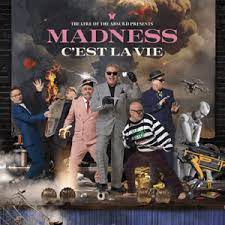
Week 47: Madness- Theatre of the Absurd Presents C’est La Vie

Who doesn’t like Madness? I mean, you have ‘Baggy Trousers’, ‘Our House’, ‘House of Fun’, Midnight Boat to Cairo’, ‘Lovestruck’ and ‘One Step Beyond’ to name a few classics by the collective. Of course, there is a more serious side to the band with songs such as ‘Must be Love’ and ‘Johnny the Horse’. They are not all full-on ska and uplifting sing-a-longs.

I recall a film that came out via BT and AMC during one of the lockdowns called “Before We Was We”, featuring the current members and the former member Chas Smash (if it wasn’t for him being the hype man, to begin with, I am not sure Madness would have been signed.) and this album kind of follows that theatre vibe. You have an introduction, prologue, acts, and, of course, the finish.

Leading off from the opening paragraph, this record is not your typical lively Madness album, but one that is quite reflective and discusses the current climate of world affairs. What is refreshing about the record is the band has made it the way they want it. Some fans might have got over-excited when the band announced a new album, clearly expecting the usual knees-up anthems. People like me, on the other hand, welcome this. It is quite an eclectic listen; for example, ‘Run for Your Life’ is rock, ‘If I Go Mad’ is funk, and ‘Set Me Free’  brings melancholy. Thommo takes over from Suggs to lead vocals on ‘What on Earth is it (You Take Me For?’ and ‘the Law According to Dr. Kippah’ with Suggs backing him on the latter. Thommo also does what is really the opening track (If you exclude the pointless prologue.), ‘Theatre of the Absurd’, where he does it in spoken word.

The prologue appears to be in a crowded place, more than likely a public house, because you can hear hubbub. I didn’t pay that much attention to that, the acts, and the finish because they are pointless fillers. They are short and add nothing except to give it a “theatre” feel. These are all narrated by the actor Martin Freeman. ‘In My Street’ has the familiarity of their classic ‘Our House’, and trust me, when you hear it, you will immediately come to the same conclusion.

I suggest the clowns who voted leave give this a miss because the band are unapologetic as they rip to shreds the sorry state Britain is in due to the consequences. They aim at racists and politicians and how the country is on its knees. Despite the raw subject matters, they are cleverly concealed among love, humour, catchy hooks, and optimism. It’s not your quintessential Madness record, and I am surprised this is their first ever No.1 album when they had some vibrant ones out during their pomp. It is worthy of its place and shows their more sincere and political side. It’ll be interesting to see if it becomes timeless due to the nature of the record. 

Song recommendations: ‘In My Street’, ‘Set Me Free’, ‘Theatre of the Absurd’

8/10

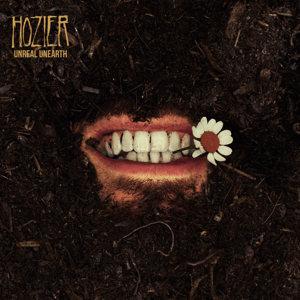
Week 33: Hozier- Unreal Unearth

Who could forget 2015 when Hozier went toe-to-toe with James Bay for the anthem of the year? I am trying to remember who won precisely, but both anthems are now somewhat iconic. That was the beginning of Hozier’s already lengthy career. We might not have heard of him until then, but he was in a band before and did several live performances as a backing vocalist, et cetera. His anthem, ‘Take Me to Church’, finally got him noticed. The whole album was good, and the songs performed live were quite celestial. According to an interview with Jools Holland, “Unreal Unearth”, his third studio album, is inspired by literature, such as Danté.

What I found somewhat surprising is Hozier has written only two songs on the record, and the rest are co-written. You would think Hozier wouldn’t find this necessary, as he has shown he is a great songwriter on many occasions. As you can imagine, the two he wrote are by far the best work on the album. One of them would be seen as controversial over here as it details how the Irish citizens suffered at the hands of Britain during the invasion. Particularly the holocaust, which is dressed as the “famine”. The track in question is called ‘Butchered Tongue’, and over this plucked acoustic tune, Hozier gives a fiery vocal delivery about the injustices. If you can’t handle sheer honesty in the song, then don’t listen. He doesn’t hold back. It was also refreshing to hear a Gaelige song that introduces the album—further stamping his Irish identity. The second, written by him, is towards the end of the album ‘Unknown/Nth’, an ethereal track riddled with metaphors.

Another of my standouts are songs I had earlier in the year when he performed on Later…with Jools Holland. ‘Eat Your Young’ is quite a disturbing track. Still, it has some fantastic guitar work by Hozier and then ‘Francesa’, a highly emotional track about someone dying of an incurable disease. The vocal delivery on both are raw and sung with absolute conviction. Hozier’s lyrics go from biblical references, to the outlandish naming of car parts. It is beyond insane as the record progresses. The biblical references kind of blend in with the whole Danté-inspired premise. 

In the Spring edition of Later…with Jools Holland this year, Jools felt the album was eclectic, and Hozier agreed. Indeed, this record has funk, soul, Celtic, and rock, to name a few. As well as having co-writers, Hozier also did an indie-inspired track called ‘Damage Gets Done’ with Brandi Carlile. Then there is a jazz track, ‘All Things End’. You would be forgiven for detecting a metronome, but it is surprisingly finger clicks, complete with a gospel choir in the chorus. 

It was disappointing to find Hozier acquired co-writers for this album, and you feel cheated knowing he did. Yes, co-writers can write, but they need help understanding the meaning of your songs. As mentioned earlier, Hozier, in his own right, is a great songwriter, so this decision seems odd. Hozier is known for writing passionately about things he is interested in or his life. I can only think the record label browbeat him into using co-writers because they would be able to stem his creativity on what can be controversial opinions. The real test is how they hold up live. Although the album might be slightly manic with the genre-hopping, I still find it quite a good listen.

Song recommendations: ‘Francesca’, ‘Butchered Tongue’. ‘De Selby Part 1’

8/10

Week 14: Boygenius- the Record

Boygenius are a rock supergroup formed in 2018 consisting of Julien Baker, Lucy Dacus, and Phoebe Bridgers. The former is the only one I have ever heard of, and I enjoy most of her material. Five years ago, the band also released their self-titled EP. They share common ground, and what makes Boygenius dynamic is their similar tastes in authors and poets. There is more than just a love of music, and unlike most supergroups, this has been formed on music and other passions to make the chemistry extra special. They also have their unique style of writing. Julien Baker is more melancholic, whereas Phoebe Bridgers, although she can sing softly, brings more energy, and Lucy Dacus brings consciousness to the fore.

Here is my track-by-track review of “the Record”:

Without You Without Them:

The opening track begins with the trio singing acapella. The trio exchanging cyphers. 

$20:

This has Julien Baker written all over it (Although I only know of Phoebe’s work, I did a little listening research.), where she gets political and her watermark guitar riffs, which, when you listen to her work, your ear picks up on the familiarity. Of course, as it is a trio, Lucy and Phoebe find a space on the track, with Bridgers doing a 90s-esque grunge rock scream, and Dacus leads the line during the fast tempo and fleshy verses.

Emily, I’m Sorry:

This song is split into two parts. The song title doesn’t fit the narrative that you should expect it to. Instead of being an audio apology letter to a specific individual, it discusses how uncertain life was during the pandemic ( depending on where you live.). You can hear Phoebe’s solo work coming through, but it also shows Boygenius working together to give it that unique sound. 

True Blue: 

This is quite obviously the turn of Lucy again. Why? Because her vocals are at the forefront, whereas Julien and Phoebe’s are more muted. This track is mellow and mid-tempo compared to what has happened so far. You can tell the band work democratically.

Cool About it:

We finally get to the acoustic song on the album with a cameo appearance from the banjo. The track could be described as folk-rock. Each member exchanges a cypher with different variations of bumping into the dreaded ex. The cyphers showcase just how talented each individual is at songwriting.

Not Strong Enough:

Just listening to this, you can tell that Sheryl Crow heavily influenced the trio. The track discusses the hotbed issue of the treatment of women (to this day, unfortunately.) within the industry. The instrumentation itself goes back to the sound more akin to ‘$20’ before developing into something more uplifting, which creates a rush of blood in your body. Synths feature on the bridge, and the strumming of the guitar with effects gives it that indie blend. I can imagine this one doing quite well on the tour. Although the lyrics are blunt, there is a sense of this becoming a tour anthem.

Revolution 0:

Another tender acoustic ballad to welcome in the second half of the album. The song has a frustrated delivery by Phoebe to match the writing. Phoebe ponders what love is and why it is called that if it isn’t love. 

Leonard Cohen:

Well, this is one of the favourite poets they all adore. The late Leonard Cohen was one of the best poets around. There is a nod to one of his tracks from 1992 called ‘the Anthem’. The track is, funnily enough, the shortest on the album, but in no terms does it mean they are insulting his memory. The band discuss the song’s meaning, which is about accepting your own imperfections. Lucy also has an Easter Egg in her verse, so listen out for that. Clue: It has already featured on the album.

Satanist:

This track features dirty and heavy riffs as Phoebe lets out a scream you will hear in many grunge songs. The track changes tempo again after the instrumental break after the bridge with Julien’s question about satanism as the song changes to downtempo and absent of guitars.

We’re in Love:

Phoebe has been taking over a bit with her songs, but Lucy steps up this time, showcasing her ability to write a specific feeling and deliver it on the instrumental. It also sees the band move away temporarily from the rock wall of sound (Depending on what your idea of “rock” is.).

Anti-Curse:

Julien’s turn, this time with a song which talks about romance. After the bridge is the best section of the song, as we hear full-on guitars with cascading drums.

Letter to an Old Poet:

By this point, I was starting to wonder if there was a democracy in the band as we heard yet another Phoebe trademark song. The track is about surrendering to what you used to be. It also has recycled lyrics from ‘Me & My Dog’, featured on the trio’s 2018 extended play. You can hear a crowd in the background. As the song gently fades, Phoebe closes with a message of hope.

You may think, by reading this, that the album is a fantastic listen. Unfortunately, I have masked that by measuring each track individually. Overall, I felt that for a band dubbed “rock”, there were many downtempo moments and many of the shoegaze side of indie. For me, the term “rock” has not been categorised all that well. There are sub-genres, in fact, many for rock, and this one falls under alternative/indie/shoegaze for me. This was more akin to an album by the XX than full-on rock. I was looking forward to hearing “the Record”, but I had to listen to it twice because my concentration wavered somewhat on the first listen. I felt it was all relatively tame for a “rock” album. There is more energy in a Phoebe Bridgers live performance than this.

Song recommendations: ‘Leonard Cohen’, ‘$20’, ‘Cool About it’

7/10

Week 12: U2- Songs of Surrender

I must confess that I was fucking terrified of how to approach this review. I wondered if it would be a written paragraph review, track-by-track, or short track-by-track. I mean, U2 are the most fucking iconic band ever, and I wanted to do them justice with a review of this. 

The band started in Dublin during the mid-70s when Larry Mullen Jr requested band members wanted on the school notice board. He would get five responses, which included Bono, the Edge, Edge’s brother, and Adam Clayton. Before the lads settled on U2, Larry thought he would be in charge of the band until it appeared 10 minutes into the formation that Paul Hewson, aka Bono, had other ideas. Dik Evans (Edge’s brother, who has gone on to have a successful music career) would be phased out a year after the formation of Feedback, then the Hype. Ivan McCormick lasted a mere two weeks before being dropped. He would go on to become a composer.

Since then, the rest of history. The band has several iconic albums packed with political issues, bombastic choruses, and stadium anthems. The band was very punky, to begin with, before working with Brain Eno, which proved highly challenging for the band, who fell out on several occasions with Brian during recording sessions. In a documentary, the band admitted that they hated those sessions because he wanted to bring his production watermark to the album. Bono would constantly push back. However, “the Joshua Tree”, which the band confessed, until they did the anniversary in 2017 and 2019, supported by the likes of Noel Gallagher’s High Flying Birds, they were not particularly fond of, but now have found some love for it. Many people are fond of “the Joshua Tree”, where the hits and stadium anthems started to roll in. There is no doubt that Brian’s second time working with the band changed their sound forever and made them more versatile from that moment on.

The band have been together for over four decades, and despite the squabbling during the recording sessions for “the Joshua Tree”, they haven’t got close to breaking up since. How did it get to this? Well, last year, Bono released a book called ‘Surrender’, an autobiography ranging from anecdotes about his time in U2 to meeting the Pope with bonus content in the audiobook. Bono would do acoustic versions of their iconic hits when he did a reading tour., which brought the “Songs of Surrender” to life.

From there, the band had this concept of doing stripped-back versions of all their hits (That’s a staggering 40.)over four discs titled after each member. The Album is over three hours of listening time in total. Anyway, I have opted for a brief track-by-track review, so here goes:

Disc 1: the Edge

One: 

Piano ballad, a gentle cymbal at the end of the chorus, soft vocals throughout, and the last chorus builds up with ghostly backing vocals and marching drums on the outro.

Where the Streets Have No Name: 

Cello intro, haunting synth verse, the piano joins on the chorus, synth rings out on outro.

Stories for Boys: 

Piano intro leading into verse, backing vocals on the verse, piano break, vocals over piano riff on the chorus, short piano riff outro.

11 O Clock Tick-Tock: 

Drums and acoustic intro, acoustic plucking and piano in verse 1, bass riff and Bono falsetto in chorus, harmonic vocal break, backing harmonies with piano in verse 2, acoustic solo joined by plucked acoustic, gentle electric guitar on outro

Out of Control: 

Acoustic solo intro, pulsating acoustic on the verse, reverb vocals over rhythmic acoustic on chorus 1, backing vocals on chorus 2, rhythmic acoustic on the bridge, acoustic solo break, bass on chorus 3, acoustic rings out on outro.

Beautiful Day: 

Piano ballad with pulsating acoustic with scratching and backing vocals, pulsating piano in chorus, harmonic vocals leading into verse 3, choral bridge, pulsating drums in chorus 2, and choral outro.

Bad: 

Acoustic intro over tambourine leading into verse, piano and strings join on verse 2, marching drums with an acoustic riff on the chorus, marching drums build before the harmonic outro.

Every Breaking Wave: 

Haunting piano riff intro is repeated in verses, with backing vocals on the bridge, light strings in chorus 1, reverb vocals in verse 2, synth joins in chorus 2, piano break, and piano riff outro with sustained high vocals.

Walk on (Ukraine): 

Plucked acoustic intro, backing vocals and bass join verse 2 with plucked acoustic, rhythmic acoustic on chorus 1, piano on chorus 2 with a light cymbal crash, pulsating piano on outro with riff.

Pride (in the Name of Love): 

Rhythmic acoustic with bass intro, backing vocals on the chorus, piano with an acoustic riff on break, electric guitar solo break with full band outro before fade out.

Disc 2: Larry

Who’s Gonna Ride Your Wild Horses: 

Pulsating acoustic, cello and piano in verses, a rhythmic acoustic riff in the chorus,  bass joins from verse 2, backing vocals from Edge in chorus 2, and synth rings out on the outro.

Get Out of Your Own Way: 

Drums, acoustic and backing vocals on the intro, bass joins in the verse, harmonic backing vocals with an acoustic riff on the chorus, and instrumental outro.

Stuck in a Moment You Can’t Get Out of: 

Acoustic intro leads into verse, backing vocals from Edge, bass joins on the chorus, bongos on verse 2, piano joins on the outro, and acoustic rings out.

Red Hill Mining Town:

Haunting synth and acoustic on intro leading into verse with drums, bass and Trombone Shorty, chorus 2 with harmonic backing vocals, sustained trombone on the outro.

Ordinary Love:

Acoustic riff intro leading into verse, synth, bass and backing vocals on the chorus, acoustic riff break between verses, acoustic rings out on outro.

Sometimes You Can’t Make it on Your Own:

Piano intro leading intro verse, falsetto backing vocals on bridge, electric guitar riff, marching drums, tubular bells on verse 4 and final chorus, piano and bass drum outro.

Invisible:

Acoustic riff, piano, bass and drums intro leading into verse, the song builds on the chorus with backing vocals leading into the instrumental break, full band outro before Bono and backing vocals acapella.

Dirty Day:

Cello intro leads into verse, Bono whispered vocals in verse, the electric guitar riff in chorus, the violin joins in verse 2, Bono’s vocals slightly louder in verse 3, backing vocals in chorus 3, sustained violin, Bono’s sustained vocals, and acoustic rings out on outro.

the Miracle (of Joey Ramone):

Acoustic lead and full band intro leading into verse, backing vocals on chorus, piano, acoustic and Bono harmonies on break, backing harmonies on verse 2, short acoustic break, harmonic vocals with an acoustic outro.

City of Blinding Lights:

Piano and bass intro, piano and Bono on verse 1, backing vocals on bridge, backing vocals and acoustic on chorus 1, electric guitar joins on chorus 2, haunting harmonic vocals break, piano rings out on outro.

Disc 3: Adam

Vertigo:

Violin and rhythmic acoustic intro, rhythmic acoustic verse, violin and acoustic on chorus and post-chorus, violin and acoustic break, cello outro.

I Still Haven’t Found What I’m Looking For: 

Acoustic riff and tambourine intro lead into verse, Bono with mid-volume vocals, Edge backing vocals, and bass join on verse 2, electric guitar on break, piano and full drums join on verse 3, ghostly outro.

Electrical Storm:

Piano and electric guitar intro, piano in verse 1, rhythmic acoustic joins in verse 3, reverb vocals on the chorus, verse 4 same as verse 1, full band in verse 6, tambourine joins on the final chorus, light cymbal crash to end.

the Fly:

Bongos, full drums, bass and electric guitar on intro leading into verse, haunting backing vocals on the chorus, piano post-chorus, backbeat break before the verse, piano break, reverb falsetto vocals followed by an acoustic solo, then reverb vocal outro.

if God Will Send His Angels:

Piano intro, whispered vocals over the piano in verse, chorus with backing falsetto vocals before piano rings out, piano solo post-chorus, falsetto vocals to end verse 2, distant reverb vocals post-chorus 2, piano outro.

Desire:

Electric guitar intro, falsetto vocals, handclaps and keyboard reverb effect on the verse, fiddle solo on bridge, yoddling with backing vocals on bridge 2, keyboard reverb effect outro.

Until the End of the World:

Rhythmic acoustic intro, piano and acoustic on the verse, backing vocals on the chorus, acoustic break, acoustic solo after chorus 2, falsetto vocals on verse 3, light harmonic vocals with backing harmonic vocals outro.

Song for Someone:

Pulsating acoustic with piano intro leading into verse, backing vocals join on the bridge, piano solo with vocals on the chorus, piano solo with acoustic and bass, acoustic rings out on outro.

All I Want is You:

Panpipe effect with bass and drum intro leading into verse, acoustic lead on the chorus, rhythmic acoustic break with the full band, bongos and falsetto vocals on final chorus, bass and bongos outro.

Peace on Earth:

Acoustic intro, empty church ambience vocals, the choir joins acoustic on chorus, full band joins choir and acoustic on chorus 2.

Disc 4: Bono

With or Without You:

Acoustic bass and synth intro leading into verse, building post-chorus, vocals build on the bridge, full band on the final chorus, electric guitar solo with brief Bono harmonic vocal outro.

Stay(Faraway, So Close!):

Backing vocals over piano intro leading into verse, electric guitar and full band on verse 2, falsetto with falsetto backing vocals on chorus, piano and Bono vocals on verse 3, verse 4 as verse 2, brief instrumental break before the chorus, harmonic vocals with backing harmonic vocals break partially spoken word on outro with electric guitar ringing out.

Sunday Bloody Sunday:

Acoustic riff with harmonic vocals, rhythmic acoustic on the verse, Edge backing vocals on chorus with change in rhythm, acoustic break, bass joins on chorus 2, acoustic solo, three-string pluck outro.

Light of Home:

Acoustic riff with synth intro, backing vocals in verse, full band in the chorus, ghostly vocals in post-chorus, full band in verse 2, backing vocals on bridge, acoustic solo, sustained vocals before a change in tempo with backing vocals outro.

Cedarwood Road:

Rhythmic acoustic intro leading into verse, change of acoustic tempo with backing vocals on the chorus, reverb vocal effect on verse 2, change of rhythm with the full band on verse 3, reverb effect outro.

I Will Follow:

Acoustic riff with strings intro, piano and bass join on the verse, acoustic riff break, full band on verse 2, backing vocals on the chorus, brief acoustic solo, sudden stop to end.

Two Hearts Beat as One:

Piano, bass, beatboxing, funky intro. Pulsating drums with the full band on the verse, backing vocals on the bridge, funky break with electric guitar, and piano break before the outro.

Miracle Drug:

Drum intro leading into verse, the piano joins on the verse, backing vocals on the chorus, acoustic rings out, acoustic with Bono on verse 2, full band on verse 3, brief acoustic break before the bridge, brief silence before the final chorus, rhythmic drum outro.

the Little Things that Give You Away:

Acoustic and bass intro, keyboards join on the verse, full band on verse 2, acoustic break before verse 3, backing vocals with reverb on chorus 2, acoustic, keyboards and bass on verse 4, the song builds on the bridge before the brief acoustic solo break, acoustic rings out on outro.

40:

Haunting piano with electric guitar intro leading into verse, bass joins on the verse, backing vocals on the chorus, piano break.

Even if you are not a fan of U2, you will be after hearing this. Upon listening, you will soon realise every track has a unique originality to its original version. It is a monumental effort to reimagine songs; looking at what I’ve written, you might consider it tedious, but far from it.

Song recommendations: ‘Two Hearts Beat as One’, ‘Beautiful Day’, ‘Vertigo’

9/10

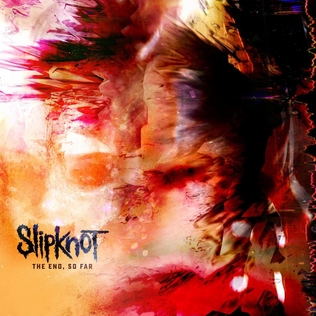
Week 40- Slipknot: the End, So Far

 was surprised to discover this is the band’s third No.1 album on these shores. I never appreciated the band and used to call them microphone abusers until a lad named Michael told me to listen to Corey Taylor over a slow ballad with another band he was in called Stone Sour. I was impressed with his vocals and realised he could do more than the growl. That was when I started to give this kind of music a chance, and it seems then I have come to like Mastodon, Pantera, Avenge Sevenfold, Alexisonfire, Megadeth and Killswitch Engage. I forgot to say Cradle of Filth from England, who I thought was fictional as Richmond Avenal from the IT Crowd, was a fan. I felt that being television, Graham Linehan and Arthur Matthews made them up. Also, watching documentaries on bands like Mastodon took away my stereotyping because they are just regular people who love music. They are not satanic worshippers or goths.

Of course, as you would imagine, with Slipknot being a heavy metal band, most of the record is of that nature. However, there are slow ballads and even moments of space rock. The latter I would never have thought they would venture into. The lead single is ‘the Chapeltown Rag’, which sounds like Mastodon blended with Queens of the Stone Age. I found this album lighter than their previous ones; not a bad thing because we get to hear Corey Taylor’s sweet vocals to their full potential. I found some longish intros and outros that lasted about a minute with various sounds, like Corey playing the toy piano on the outro to ‘the Dying Song’. We all talk about great drummers like the late Ginger Baker, Buddy Rich, and Taylor Hawkins. However, some sensational drummers are in heavy metal, metalcore, and death metal. Jay Weinberg demonstrates that on ‘Hivemind’. If you picture it, his feet are working overtime on the bass drum. 

‘H377’ is full of rage, with Corey attacking being a product of the system over a fast-paced instrumental synchronising with the anger in his vocals. ‘Medicine for the Dead’ also starts with the same tempo before heading into space rock. 

However, you probably won’t be surprised to discover my standouts were the opener and the closer. ‘Adderall’ is a quiet beginning to the album with beautiful vocals by Corey over a smooth groove that reminded me of Fun Lovin Criminals. The final track, ‘Finale,’ starts with an acoustic guitar before Corey sings angelically over electric guitars and a choir.

The most experimental on the record, though, has to be ‘Yen’, a slow-tempo track with vocals to lure you in before the song explodes into the chorus.

I enjoyed listening to ‘the End, So Far’ and recommended it to a once devoted fan. I found it lighter and, therefore, more ear-friendly than their usual material. The songs were not what I expected from Slipknot. I suggest to those who are ignorant about them (Like I was.) to give it a listen. You will be surprised. I want to end with Corey Taylor is a fucking fantastic vocalist.

Song recommendations: ‘Adderall’, ‘Finale’, ‘the Chapeltown Rag’

9/10

Week 35: Muse- Will of the People

Regardless of what I am about to say in this review, I have always found Muse hard to listen to their studio work. However, they are beyond amazing live. I thoroughly enjoy their spectacular headline shows at festivals. I saw one particular performance from the current “Will of the People” tour, complete with lasers, great visuals, hypnotic guitars, Matt’s futuristic jacket and a robotic hand where he somehow manages to know the correct swiggles to draw on the touchpad of the glove to form the melody.

However, despite their failure to create their live shows in the studio, what cannot be ignored is their lyrics and subjects—the subjects ranging from anti-establishment, pro-freedom, and sex. Not many people talk about the drummer Dominic Howard, but he more than compliments Chris Wolstenholme’s bass wizardry and Matt Bellamy’s versatile vocals that also sometimes ape the guitar. The Devonshire trio have been going since 1994 and released their debut “Showbiz” in 1999. However, it wasn’t until 2001 and their second record, “Origin of Symmetry”, that the band started to get noticed, with ‘Plug in Baby’ charting just outside the top 10. Their biggest success chart-wise is ‘Supermassive Black Hole’, where Chris does the whispered chorus. They are yet to get a number one, but that isn’t a surprise when you consider they are more of a live band.

Amazingly, “Will of the People” is their ninth studio album and their most politically charged to date. This could well be told from Matt’s perspective, but it is a worldview. We are sick of the society we currently reside in and grow angrier with the establishment. 

The opening track is the title track, which acts as a call to arms to start a revolution against the establishment. I first heard this as an introduction song on their current tour. They may now perform it rather than the studio version playing before they go onstage. The song features a baying crowd over AC/DC-esque guitars with Matt with venom in his vocals that he will lead the revolution and overthrow the establishment, which is quite apt during the current climate. It certainly got my attention from the off, at least.

The leading single is ‘Compliance’, which I had heard during this particular concert I watched on YouTube, and I have to say, I loved the concept behind it and the thought-provoking lyrics. However, this time, Matt does it from the oppressor’s perspective. It is also a condescending dig at the establishment.

One thing I loved about the album is this revolutionist vs oppressor topic over futuristic melodies, with Matt muting the chords with his palm; synths and elements are taken from the Weeknd. There is even room for them, once again, to pay tribute to Queen with ‘Liberation’. What do I mean? It just sounds like Queen from the instrumentation to Matt’s vocals. This is Another song told from the perspective of the people determined to revolt.

However, there is a turn of events on ‘Ghosts(How Can I Move on)’, which, at first listen, I thought had Chris Martin (Coldplay) on vocals. The song screams all things Coldplay. The disappointments come on ‘Kill or be Killed’ and ‘Won’t Stand Down’. Although the songs have great titles, they sound more like a messy breakup rather than fighting for one’s freedom from the establishment.

Muse, like several others, are pretty adept at recycling their songs. Although they have been written and recorded over the past year, they still sound familiar, as seen in ‘Won’t Stand Down’, which sounds similar to ‘Supermassive Black Hole’. ‘Verona’ reminded me more of U2, particularly Edge’s riffs. Going back to Muse recycling, ‘Euphoria’ sounds like ‘Time is Running out’ vs Donna Summer’s ‘I Feel Love’.

My standout is the closer ‘We are Fucking Fucked’. The lyrics are delicious and aptly mimic the tone of what we all feel. We are fucking fucked, and the lyrics expressed that with mentions of world war, et cetera. It also sounds a bit like ‘Knights of Cydonia’, albeit there is no call-to-arms, but rather a pessimistic view of not being capable of sorting out this shitstorm we are all in. What a way and a statement to end the album.

However, I found the record quite disjointed and a mishmash of Muse’s past work slightly reimagined. The messages are also contradictory because Matt is asking for a revolution, yet then is rather pessimistic, moaning and unwilling to do anything. Again, Muse has made an album that is only for the live arena. As I said, their studio work does not ape the effort put in when they perform live.

Song recommendations: ‘We Are Fucking Fucked’, ‘Will of the People’, ‘Compliance’

6/10

Week 17: Fontaines D.C.- Skinty Fia

As you might recall, I wrote a review of their second album, “A Hero’s Death”, by accident. As you know, I write a review for the number one album each week or whenever a new one is on the top spot. Well, this particular week back in 2020, the Irish band were on course for the top spot, but the previous number one held them off. However, I wrote a review on “A Hero’s Death” because it was more or less certain on the back of this information. I listened to the record, wrote my review a day later, and uploaded it the following day. It’s nice to know I will not need to do a bit of background to introduce you to the lads from Dublin. I will, though, do something I have yet to do so far.

As you know, I have done track-by-track reviews, summary track-by-track reviews, and plain old, elongated reviews. I will do essential track reviews on the tracks I enjoyed this time. The album consists of ten tracks. I will write a review, long or short, on the highlights of “Skinty Fia”:

In ár gCroíthe go deo: 

This track opens the album and translates as “In Our Hearts Forever”. It’s nice to see some Gaeilge used by a band, particularly from Ireland. It has been a while since I’ve seen Gaeilge used by Irish bands, unless it is Clannad or the like. This song is steeped in Irish history—the song protests against the English who invaded Ireland 800 or more years ago. The band’s instrumentalists provide backing vocals, repeating the track title repeatedly as Grian enters over a glum and sinister bassline. The song is based on the event of Maggie Keane, who wanted a Celtic cross with the track name inscribed on the headstone. However, the occupying British Army brought the Church of England over, which denied Maggie’s request. Their reason is that the message was written in the native language, which would lead to political connotations. Despite this, the Irish courts ruled in favour of Maggie’s family. The band felt the song epitomises how the natives still need to fight for their identity. From the outset, the band have decided to go political. If that makes some of you uncomfortable because they want to talk about the occupation of Ireland, then stop reading this review and give the album a miss. 


Big Shot:


As you may well know, the Dubliners have moved across the sea to London, and this song reflects that. Whereas Dublin still has opportunities to expand, the band’s move to London has opened up more avenues than were on offer back in their native Dublin. The band can pursue their dream of being the best by moving across the sea. For example, look at some of these lyrics: “I travelled to Space”, found the moon too small, and home is a pin, rusting through a map, I go there to pray, do my resting at mass”. What Grian is saying, from what I can decipher, is that they have travelled around Ireland, but it isn’t enough to achieve their dream. Despite being a big city, Dublin is nothing compared to the other cities they have played in worldwide. They only return to Dublin when there is a break during touring (Or the tour has ended.) and attend mass. The last line, I believe to be they only have time to reflect and relax away from music when they go to mass (I am also Catholic like the lads, and you feel far from relaxed at mass. It feels like you are in the dock listening to a judge telling you how guilty you are.)


Jackie Down the Line: 


Another political track. I will explain why briefly, but this song is the opposite of ‘Big Shot’. The band talks about why they are proud to be from Dublin (In the title sense, at least.). The song has an Indie 90s feel to it. “Jackie” is a variation of “Jackeen”. This is a derogatory term used by people outwith of Dublin. A Jackeen is someone who has become an “Irish Brit”. They have embraced the British culture and have become flag-wavers of the Union Jack. I first heard this track on the Late Late Show with Jimmy Fallon. It featured a steady drumbeat, acoustic guitar, and a reverb effect on Conor Curley’s electric guitar—a method used by his counterpart Edge from U2. The song talks about a woman named Sally, a toxic male killed. I haven’t looked into the case, but it highlights that there is still this problem of men attacking women in Ireland. Indeed, Grian’s vocals are melancholic. You can hear his soul slide away during the verses as he foretells the fable.


I Love You: 


So far, I haven’t heard anything like the punk-infused songs I had heard on their previous albums, and this track was no different. This time, the band took influences from Joy Division, New Order, and the Cure. It reminded me of a darker version of ‘Blue Monday’. Why? It wasn’t quite a dance track but had that Peter Hook bassline. I am sure I have seen Deego sporting a t-shirt of all the bands before now. So, it is no surprise he has added Peter Hook and Simon Gallup basslines. The subject revolves around the Irish youth, how they are shackled by capitalism and religion, how the lockdown has affected their well-being and the sinking feeling of what the future holds. At the same time, while trapped in this current situation. Grian’s delivery is spot-on for the subject. He delivers the vocals with ferocious anger as he addresses the issues and describes how he felt growing up in that situation.


Bloomsday: 


It leads off from ‘I Love You’ because it, too, is dark. This time, however, it goes even more profound and sinister. Again, over this gloomy instrumentation, Grian’s delivery is perfect. His lyrics sound like a man talking with a soft and melancholic tone. Again, Grian highlights the lack of hope for the youth in Ireland, particularly in his native Dublin.


Skinty Fia:


 As you can tell by the name, this is the title track. Does it move away from the previous two songs about Dublin? The answer is no. The song can be described as darkwave over a low bassline as Grian talks about Dublin’s shortcomings.


Roman Holiday: 


Unlike, let’s call it the Doomed Dublin trilogy, this song is more upbeat and has a message of hope. Once again, the guitar effect Edge uses is utilised by Curley over a stark bassline and fragmented percussion. The song is quite apt with the current war in Eastern Europe. It is about a couple moving to Dublin who can be welcomed and make it their home, which Ukrainian refugees have been doing in Dublin and all over Europe. Even though you are not from Ireland, you can still embrace it and have an Irish heart. I first heard this at Alexandra Palace on the current tour.


the Couple Across the Way: 


In one of the quieter moments on the record, Grian sings alone, accompanied by an accordion and piano. Grian tells the story of looking out of his window and narrating a typical day in the life of his neighbours adjacent. He has never spoken to them to find out their names or interests. He observes them argue, make up, and repeat the cycle daily. He opts to assume the role of one half of the couple as the song nears the end and the story becomes more straightforward.


Nabokov: 

The album closer has a Verve air about it. Like the Verve, the track is melancholic, but Fontaines DC adds a fast tempo, whereas the Verve would opt for a plodding one. For those of you who are learned readers, you would have probably detected the song title is by a novelist, and just like in one of Nabokov’s books, the character in the track depicts that of Lolita—a lady who no longer feels optimistic and is fed up with being downtrodden. The only way out of the situation to end the pain is to take her own life. That sentiment is expressed in the lyrics “I did you a favour, I bled myself dry, ” as Grian delivers it, seemingly depicting the character screaming angrily. Some might say it is a dark and sinister way to close out, but the band have never been one to abide by the laws. They have always gone against the grain and diced with danger, which has worked since they started playing. Unlike “Dogrel” and “A Hero’s Death”, “Skinty Fia” has been sobering to listen to, and the subjects on offer invoke all the emotions we feel. The record also goes deep into our imaginations.


Song recommendations: ‘Jackie Down the Line’, ‘the Couple Across the Way’, ‘Roman Holiday’


9/10

Week 10: Architects- For Those that Wish to Exist

I have to concede that when I heard Architects were number one, I was expecting the Garage collective who released the iconic Garage club classic “Body Groove” back in 2000 featuring vocals by Nana (Nay-Nay is how it is pronounced, by the way.) However, I ended up listening to a band that sounds very much like their fellow English counterparts, Bring Me the Horizon, and vocalist Sam Carter sounds precisely like Oli Sykes. Well, this is the Brighton outfit’s ninth album and the second since their founder and leader, Tom Searle, tragically passed away in 2016. 

I’m not going to say from what because I hate the disease in question. Tom Middleton was his replacement, and they pushed on to release “Holy Hell” in 2018. It got a warm reception, considering the absence of Tom Searle. Some say they shouldn’t have continued, but they did, and on this record, it is shown why that was the correct decision. The album is full of rage, anger, passion, and emotion. The record contains many issues, including politics, lasting under an hour. The tracks range from “An Ordinary Extinction” on climate change to “Discourse is Dead” on politics, songs that address the band’s departure from the pre-Holy Hell days and their new standing in the music sphere by playing out at arenas.

There is also room to show their new standing with collaborations from Mike Kerr of another Brighton act, Royal Blood, and Simon Neil of Biffy Clyro. Just like Oli Sykes, Sam Carter has remained steadfast with his vocals, except this time, Sam is doing it on tracks ready to ring out across the arena air and become anthems, which I am sure they will be.

The band is not afraid to do a bit of noodling on the record, and that can be found on “Dead Butterflies” for a better example of them being experimental. I enjoyed “Dying is Absolutely Safe” above all of them because it has two sides to a coin. The song talks about how our world is such a chaotic state, but when strings come in, there is a sense of a brighter day to come out of the ashes of the chaos.

 It’s also quite apt for the band at present because they have been in turmoil since losing their original leader, but from that adversity, the band has stayed together and got stronger as the journey continues. Tom Searle will be admiring that character from wherever he may be. However, from a purist’s point of view, this album is a disappointment because the band has lost their edge and sounds too generic now. That’s the impression I got when conversing with a fan of theirs. I recommend it if you have not heard of them or Bring Me the Horizon. You’ll discover new music and a band you may well like.

Song recommendations: “Dying is Absolutely Safe”, “Discourse is Dead”, “Dead Butterflies”

7/10