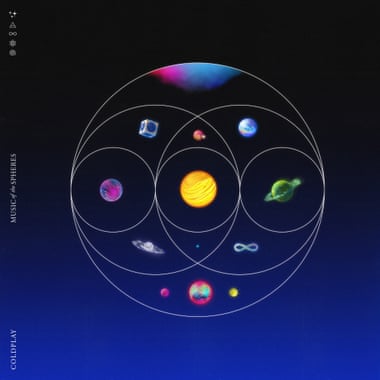
Week 42: Coldplay- Music of the Spheres (Volume 1. From Earth with Love)

My introduction to Coldplay was the year of their debut album “Parachutes” at the start of the millennium. It wasn’t ‘Shivers’ I heard either, but instead their classic song ‘Yellow’. While on a break in the common room at sixth form college, I remember hearing it on Radio 1; I think that was the station, and the DJ was Chris Moyles. I loved the idea of someone ready to do all crazy things to prove their love to another. Not to mention the instrumentation itself. Later that day, I went home to do some coursework and download songs through Napster (Remember that?), and of course, ‘Yellow’ was one of the tracks. 

“Parachutes” was a tremendous debut album, and everyone thought they would follow in the footsteps of Oasis, but the band had other ideas from the second record onwards. Indeed, Chris Martin said the band was created in the same image as his idols, U2. U2 upset many people when they changed from punk to make music to appeal to a broader audience.

However, unlike U2, Coldplay is the marmite of music. You know where I am going with this, so there is no need to explain further. Some idiots follow like sheep and believe it is “edgy” and “cool” not to like Coldplay, whereas some simply do not like their music because they changed dramatically after “Parachutes”. I do not care what music they make because I enjoy it regardless and respect their creativity. I have been slaughtered for liking the band. So why do they have such a vast fanbase if many hate them? Well, it all boils down to their live shows. There is something magical about seeing them live. Like U2, they can have the audience in their palm at any stadium and are frequent headliners at signature festivals. Regarding live performances, Coldplay is the second most significant band in the world behind U2.

However, when becoming a considerable stage presence, frontman Chris Martin might have lost his edge to write songs in the studio. Their last album was 2019’s “Everyday Life”, which, in the many accolades the band have received, was a massive disappointment as it was their first album in 20 years not to go multi-platinum. It didn’t fare too well in America, neither where the band are top-rated. “Everyday Life” didn’t get close to the sales made by 2015’s “A Head Full of Dreams”, which featured the likes of Beyoncé, Tove Lo, and their good friend Noel Gallagher (I recommend watching the film of the making of the album, and the tour.) I am not sure why the previous record didn’t do well. Maybe people didn’t like the concept of the band experimenting with African and Gospel. That’s what the band are about, though. Experimentation.

The band didn’t run away after the disappointment of “Everyday Life”. Its poor reception has motivated them to return more robust and show people that they are keeping their standards from slipping after 20 years at the top. Coldplay is still played on Radio One during the pop-friendly daytime, unlike most of their counterparts who have been consigned to Radio Two as their music isn’t “hip enough”. 

To make their presence known, the lead single ‘Higher Power’, which is a track that is the Weeknd-esque with the electronic 80s theme, was premiered in the Mercedes advert to promote their new electric car after Chris had stated the previous year that Coldplay would not be releasing anything until 2022. It took many by surprise; some said that Chris was a hypocrite for saying such a statement and using it in the advert for Mercedes. It also boomed out in the International Space Station. So from there, only a few expected a new album by the band, going by Chris’ comments. Even though ‘Higher Power’ was released, many still expected that to be the sole material released until next year.

The collaborators of the previous record were not acquired for “Music of the Spheres”. Coldplay got Max Martin on board to produce the album and gave him complete control. Max brought in the likes of Selena Gomez and the extremely popular K-pop boyband Bangtan Boys, aka BTS. I also like that London’s Jacob Collier was also acquired. I can imagine the criticism they will get for working with BTS, but Coldplay has always known that the best way to garner new fans and appeal to a broader audience is to remain relevant in the pop charts. Who knows, maybe some BTS fans have been turned onto Coldplay through the collaboration. That is what the band are aiming for. Remember that most music is now streamed via Spotify, so that the streaming hits will propel the band even further.

This is familiar for the band in that they have made tracks like ‘A Sky Full of Stars’ and their 2015 album ‘A Head Full of Dreams’ while featuring guitars was centred around electronica. On “Music of the Spheres”, I noticed that the synths feature prominently and are the loudest instruments. On a side note, some songs do not have names but are represented by emoticons or, as the youngsters call them, “emojis”. You need to go to Wikipedia to have a rough idea of what they are called. For example, the title track is stylised as an emoji of Saturn. Who would know that that planet represented the title track’s name? I know the band has used emojis as the names of songs before, but although it is unique and fun, it could be clearer at the same time to decipher the name. The track featuring BTS shows their dynamic ability and blends into the K-pop scene. Of course, there are also moments of what we know the band to be on tracks like ‘Humankind’ with an element of Van Halen’s ‘Jump’ or Huey Lewis and the News ‘Power of Love’. ‘People of the Pride’ sees the band again flirt with Experimentation as they try to sound like Muse. However, this time, Coldplay appear to be out of place.

What annoyed me about the record is that there are many instrumental tracks that I have classed many times on previous reviews as simply throwaway tracks that shouldn’t feature on albums. The record does drag somewhat, and it is a welcomed relief when the ballads arrive. My favourite, of course, was ‘Human Heart’ or rather just a heart emoji featuring the highly talented multi-instrumentalist/producer Jacob Collier, who always uses his falsetto range. Now, I usually detest that piece of shit known as auto-tune, but it is used correctly to give Chris a Bon Iver effect on his vocals this time. Yes, Bon Iver’s Justin Vernon is the only artist I can think of who uses auto-tune to better his vocals. I can’t believe I am saying this, but ‘Human Heart’ is one of my favourites off the record because it sounds like a Bon Iver track.

The obscurely named ‘Biutyful’ (From what I got from listening, it is pronounced “Beautiful”) sees the band try their hand at K-pop without the help of BTS. It works and has a beautiful melody. One wonders what the song’s original concept would be and why they decided to take a leap of faith in K-pop. The theme of the record is centred around the Universe. Indeed, the subtitle is “Volume 1. From Earth with Love”, which fits in with the humanitarian ways of Chris Martin. Chris is all about saving the planet. The album closes with ‘Coloratura’, which is far removed from most of the sound on the record. 

This 10-minute and 17-second track is your typical Coldplay anthem that rings out in the large stadia they perform in. The song includes strings during the instrumental breaks and synths that sometimes stand alone. The record itself is…well, a bit mental. There is no structure evident (If there is, fuck knows where.), and it reminds me of an album called “the River” released by Pink Floyd during the last decade. That record also needed an actual structure in place. 

However, I did enjoy “Music of the Spheres”, but it appears the band has rushed this rather than taken their time to make the album more structured. You go from an instrumental into a track, then a ballad, then a track that can’t make up its mind, whether instrumental or vocal. This is where Coldplay have fallen, in my opinion, on this album.

Song recommendations: ‘Human Heart’, ‘Biutyful’, ‘Humankind’ 

7/10

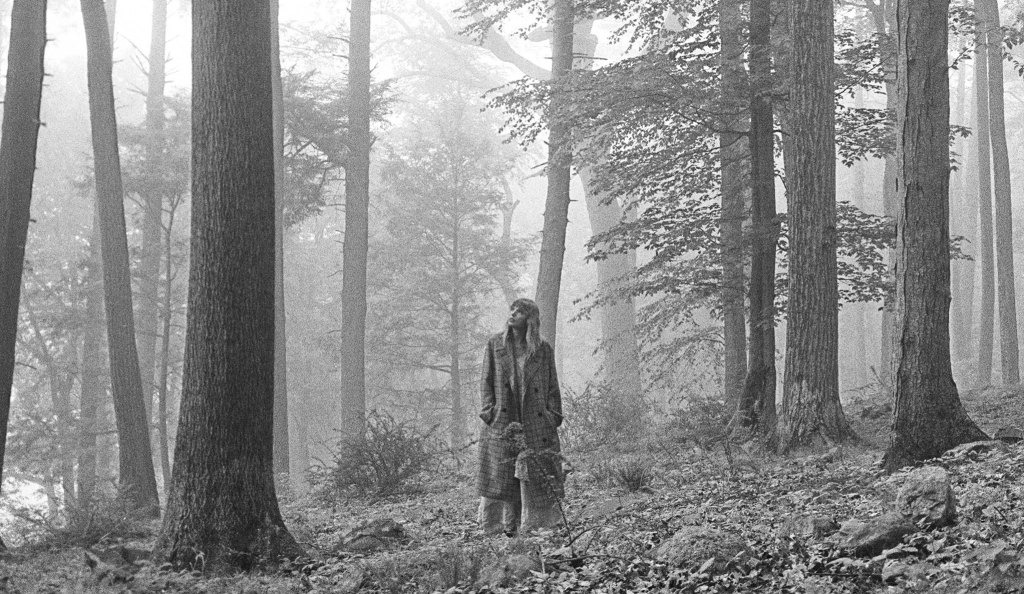
Week 51: Taylor Swift- Evermore

Here is my track-by-track review of her 9th studio album and her second album release of the current year:

Willow:

This isn’t just the opening track of the album, but it is also the leading single. This is Taylor returning to her roots when she was gigging constantly across America to get herself noticed within the industry by basing herself on country music. It’s a bizarre choice as a single, as it hasn’t any of those typical pop traits to chart that high. It is pure country with its delicately plucked acoustic guitar. Her vocal delivery synchronises with the subject of being in love with someone, and you’re trying to make them feel the same way. Taylor expresses this by how we would feel in those moments. From feeling high and excited to feeling low and being unable to breathe from the panic that they don’t love you. There are also some deep lyrics within, so listen carefully.

Champagne Problems:

This piano ballad was written with her boyfriend, who uses the alias William Bowery (Of course, his real name is Joe Alwyn.). Is the subject matter supposed to be about their current relationship? Rather than about a couple in college who share very different views about a night where one wants to break up and the other wants to propose. I don’t know how happy they are, but I can’t see them dropping hints while writing a song together. I also learned that “Champagne Problems” is a phrase (I guess only in America.) that means when an individual’s troubles are genuine but, when put into perspective, are less important than how much others are suffering. Like with “Folklore”, Taylor touches on the very fragile subject of mental health. In this song, the female character mentions her problems with mental health and how the break up of her relationship has further impacted it. I am going to quote some compelling lyrics taken from the male character in this, as he is the one who has been left heartbroken. “Sometimes you just don’t know the answer til someone’s on their knees and asks you; she would have made such a lovely bride, what a shame she’s fucked in the head, they said, but you’ll find the real thing instead”. As you can see, the song is very emotional.

Gold Rush:

Wasn’t this also a song on “Folklore”? I can’t remember, but someone will tell me when they visit my archives this year. Bizarrely, the producer of this track only features once on the record when you consider Jack Antonoff has produced half of her songs over the past three albums. This song is more chart-friendly compared to the previous tracks on the record. This time, the leading character starts falling for someone popular among several others. Unfortunately for the leading female character, the other women chases the man in question. Still, just like the leading female, they are also looking for gold in California, which, when you think about it, makes the title make sense. The leading character becomes jealous and longing to have him, and she decides she can no longer chase him because she has no fight left in her and feels it is futile. Again, some lyrics stood out for me, and they are intense by the lead character. “At dinner parties, I call you out on your contrarian shit, and the coastal town we wandered round had never seen a love as pure as it, and then it fades into the grey of my day-old tea, cause it could never be”.

Tis the Damn Season:

What I found about Taylor’s songwriting is she can tell fables about fictional characters based on actual events or fables about her own life experiences. It is challenging to do the former, as you must design the characters and build the fable around them, but Taylor does this effortlessly. Once again, on this album, she has devised a character from Tupelo, Mississippi, who is leaving her town to achieve her dreams in Hollywood on the big screen. You may be wondering where the Christmas element comes into it. The lead character returns home to enjoy the festivities, where she stumbles across an ex-lover. As one of the lyrics depicts over this electric guitar track, she says how she is breaking her own heart by returning to Los Angeles, where everyone she meets is superficial, including the way she smiles, rather than remaining in Tupelo to get back with her ex-lover and feel loved and happy once more.

Tolerate it:

There appears to be a trend with Taylor and the obsession with the fifth track; the fifth track always seems to be a ballad with a heart-wrenching confession. “Evermore” doesn’t buck the trend. Again, the song is seen from the female perspective. She is sick and tired of devoting her life to her lover, and she is not getting much compassion or any form of emotional connection in return, so she is starting to hate and resent him for that. She has tolerated this behaviour for far too long from him, and now she is ready to confront him. This track perfectly depicts when love fades away from one perspective and turns sour from the other.

No Body, No Crime:

HAIM features on this, but it is based more on the country music scene, from what I recall, rather than the usual rock-based music from HAIM. As you can tell from the title, Taylor, with HAIM doing backing vocals, has gone for a topic about committing a murder. However, it is a double homicide told from different perspectives. The first verse is the narrator’s friend bringing up in a conversation that she thinks her husband is seeing another woman; in the second verse, her friend disappears, and the narrator is sure that the husband killed her and to avenge her friend’s death in the third verse, she kills the husband, but by doing this she compromises the case. Again, this is another powerful fable told by Taylor on this record.

Happiness:

The calibre of this song is quite astonishing when you consider it was the last one to be written in just under a week before the album was due to be released. Most might panic and therefore not put much effort into the last song they are writing just in case they miss the deadline by taking too long, but Taylor has managed to create a good song under that pressure and have it all done and ready to be included on the album. The story is both one of despair and optimism. The individual is going through the agony and six degrees of separation phase of splitting up with their lover, but they show signs of optimism, knowing that happiness will return once this phase has passed. The production complements the lyrics with its slow tempo and melancholic tone. Is the individual Taylor? It shows a mature approach to handling a breakup compared to her as a teenager, where she attacked every ex with venom over wax. If the character is indeed Taylor, then she has shown that as she has got older, she can move on and enjoy the next one to enter her life.

Dorothea:

Remember the track “Tis the Damn Season” earlier on and the unknown female? Well, this is her name and the continuation of the story. However, this is not told from Dorothea’s perspective but by her ex-lover. He was devastated when she moved to Hollywood and longed to be with her. He also ponders, now she is in L.A. chasing her dreams, whether she pauses to think about him. Although the subject is deep and emotional, the song has a relatively upbeat tempo.

Coney Island:

Now, I expected HAIM to feature, but the National? I wasn’t expecting that. Nor was I expecting a duet between Taylor Swift and Matt Berninger. However, I discovered that the National’s Aaron Dressner produces most of the tracks on this album, so it makes sense for Taylor to collaborate either by request or suggested by Aaron. The subject matter is once again that of broken love. This time, it is about a couple reminiscing on the relationship and how it fell apart because the levels of commitment were not balanced. The song also appears to be the couple trying to work out what went wrong and trying to see if they can try again. Taylor’s melodic vocals complement Matt’s customary raspy yet deep vocals.

Ivy:

The banjo is the main instrument this time. It features the first of two collaborations with Justin Vernon of Bon Iver (Later on, the entire band feature.) over a story about a wife committing adultery and subsequently falling in love with her secret lover. Even though she continues the affair as she enjoys the attention, she is trying to stay faithful simultaneously. It is similar to the story in “illicit Affairs” from the previous album and is also freakishly the tenth track.

Cowboy Like Me:

Another song inspired by her roots in country, the story is that of gold diggers who, instead of chasing those with wealth, end up falling for each other. Marcus Mumford from Mumford and Sons provides backing vocals. The song is also typical of a song likely to be composed by Mumford and Sons with guitars, mandolins, harmonicas, and anything from country music you can think of.

Long Story Short:

From an album steeped in country, this track departs from that with its catchy pop chorus, drums, and guitars out of indie rock. You can see this being on her albums before her current two. Taylor goes after the media and the misogynists who tried to ruin her career a couple of years ago (See my first review on the album where she goes fucking ballistic on those people for the whole story.). However, rather than getting herself worked up, Taylor’s vocals are balanced and calm. Even the lyrics are about not sweating the small stuff. She displays happiness knowing she is content in her relationship and that she is way past all this petty bullshit from her enemies. She writes lyrics to her past self to let these things slide and let her enemies defeat themselves by being starved of her attention and reaction. Taylor has shown a lot of maturity so far on the record.

Marjorie:

I am starting to wonder if “Evermore” is the continuation of “Folklore” with the topics, sound, and production. It seems like it is. Still, it doesn’t bother me a jot because I prefer Taylor when writing music in the genre her heart belongs to. Pop was to get a wider audience, but country is where her heart is. Also, there is another reason this is a continuation, and it is related to the thirteenth track of the respective albums. “Folklore” was an ode to her grandfather, who fought in World War II, and “Evermore” focuses on her grandmother, Marjorie Finlay, an opera singer whom Taylor didn’t appreciate until she passed away when Taylor was just a teenager. Taylor regrets this and wishes she could go back and fix this with her grandmother. It is also a grand, haunting gesture, that Taylor used her late grandmother’s vocals for the backing track. Sends chills down your spine.

Closure:

Many of us can relate to the topic here. I’m sure we have all been in a relationship where it ended badly, and we wanted to explain ourselves later on after the dust had settled as to why, but our ex simply refuses the closure and doesn’t want to know. This song describes that. In this case, it’s a male looking for closure from the female, but she has moved on and doesn’t find it necessary to explain it, rather than doing something to avenge the hurt he caused. The lyrics mention that he wants to remain friends after the closure and that he’s angry she won’t hear him out.

Evermore:

The closing and my favourite track. Sorry, but it’s got Bon Iver on it. What more is there to say? Justin Vernon and the rest of the band produce good music. I love this piano-based song with Taylor and Justin doing a cypher and harmonising together, which touches on depression with a mix of dark and optimism to end the album. The highlight is the cypher for me; it is scarce to see vocalists go bar-for-bar like they were rapping or sharing a poem.

Song recommendations: “Evermore”, “Coney Island”, “Long Story Short”.

8/10

Week Thirty-One: Taylor Swift- Folklore

the 1:

The opening track is about a perfect scenario if someone from her past relationships survived the course and lived happily ever after, rather than the usual song about her pain of breaking up with someone, which most of Taylor’s songs have been the subject of. Once again, Taylor doesn’t hold back on her language; from that, you can tell that what’s in store for the rest of the record is pure honesty.

Cardigan:

This track was released as the album teaser, and the obligatory video was subsequently released on the same day as this album. This song is about Taylor about being done wrong in a past relationship by being cheated on. I say that because it is done from a first-person perspective, and I imagine that Taylor is talking about it and how she has learned from it and can now sense the signs to get out before getting extremely hurt. The vocals reflect the maturity of the topic, and she is not being overly aggressive or even shouting her vocals. When talking about such a subject, that shows great restraint.

the Last Great American Dynasty:

Wow, this is a highly controversial subject to touch on. Living in England, I cannot say how much this would piss off the American folk because it is just a touchy subject for me, but it wouldn’t rattle anyone in England and Europe when she is digging up the past. For Americans, this is very controversial. The subject of the song is the Rebekah and Bill Harkness scandal. Rebekah is a middle-class mid-western, and Bill is the heir to the Standard Oil fortune. Why is it controversial? Because their marriage caused an uproar 70-odd years ago. Another reason why Taylor wrote this is because she happens to live in their mansion in Rhode Island. This is her finest songwriting to date. It combines the story of the scandal, yet she manages to draw comparisons to her own life.

Exile:

The album’s first feature is a duet with Bon Iver’s Justin Vernon, where they both have various views on a breakup. The vocals fall in synchronisation with the piano.

My Tears Ricochet:

If you thought “the Last Great American Dynasty” was controversial, this is more controversial. Taylor doesn’t hold back as she takes a swing at the fucking idiots who somehow managed to stop her from regaining the rights to her masters for her first six albums (I believe one of the arseholes involved is Scooter Braun, as I saw it unfold on social media at the time?). It is a pretty sad song as Taylor is in her coffin, and I imagine Scooter turns up at her wake. This appears to be a metaphor that your enemies will destroy you and still dare to attend your funeral/wake to mock you even after death. I commend her for shining a light on the subject of how you can get fucked over in the industry and lose the rights to what is rightfully yours.

Mirrorball:

One of Taylor’s favourite subjects to touch on is her love and hate-affair with the fame she has amassed through her talent and the attention, whether wanted or unwanted, that unfortunately comes with the music and songwriting. However, this is the first time that she has spoken so candidly about that affair. She talks about how she wants to please people and adapt to their wants and needs from her.

Seven:

How ironic that the seventh track should be aptly titled “Seven”? The subject of this Folkstyle song is about a friend trying to protect her best friend who is deeply traumatised desperately. The lyrics suggest that the best friend lives in an unhappy home where her father constantly shouts at her. The friend trying to help her mentions playing pirates at her house to escape the brutal reality of her home life.

August:

As we approach the halfway stage of the album, we hear part two of where “Cardigan” left off. This time, from the perspective of the “mistress”, over a faster melody and vocals full of optimism.

This is Me Trying:

This is Taylor baring her soul by revealing how she is only human with her mistakes, doubts, trust issues, and failures.

Illicit Affairs:

It is nice to see a song on this record wrapped around a guitar with its witty lyrics and emotional feelings.

Invisible String:

Taylor is known for writing songs about her exes, but this track shows her devotion to her boyfriend, Joe. It is quite biographical and mentions how fate played a part in bringing them together.

Mad Woman:

The fable to this song is about a widow who was made an outcast in her town and took revenge on it, but there is a deeper, more personal meaning by Taylor here. Taylor is charming here by not going directly to the issue she addresses. This song is hidden within a metaphor, but through the raw emotion in her vocals, you know that she is extremely pissed off with what the real issue is at hand here. This track seems aimed at all the misogynists who have made her life hell.

Epiphany:

This track is split into three subjects. Verse one is about her granddad’s post-traumatic stress disorder he suffered while serving in the US Army in World War II. Verse two is about those in the medical profession currently dealing with the pandemic, which has made their jobs both a risk and a living hell, and the chorus fuses both of these subjects and portrays her granddad and the medical professionals as American heroes. My only issue with this powerful song is it might lose its meaning with the production, which was Taylor opting for a Hymn.

Betty:

This track is done from the perspective of a male named James, where he takes a feminist view and says the man brought it all upon himself for cheating even though he is now feeling guilty and heartbroken that the woman in the subject of the song has moved on and found someone better. What’s more refreshing about this is that James takes the feminist view rather than confiding in another male.

Peace:

This song is dedicated to Joe, but Taylor asks if she will ever be enough for anyone when you consider her lifestyle and all the attention that comes with it. The sincerity in her vocals shows she is extremely passionate about the topic.

Hoax:

Seeing an album end on such a dark and sour song is very unusual. This track explores the impact of a toxic relationship but with reflection rather than anger. It’s a beautifully emotional song.

Song recommendations: “My Tears Ricochet”, “the Last Great American Dynasty”, “Hoax”.

9/10

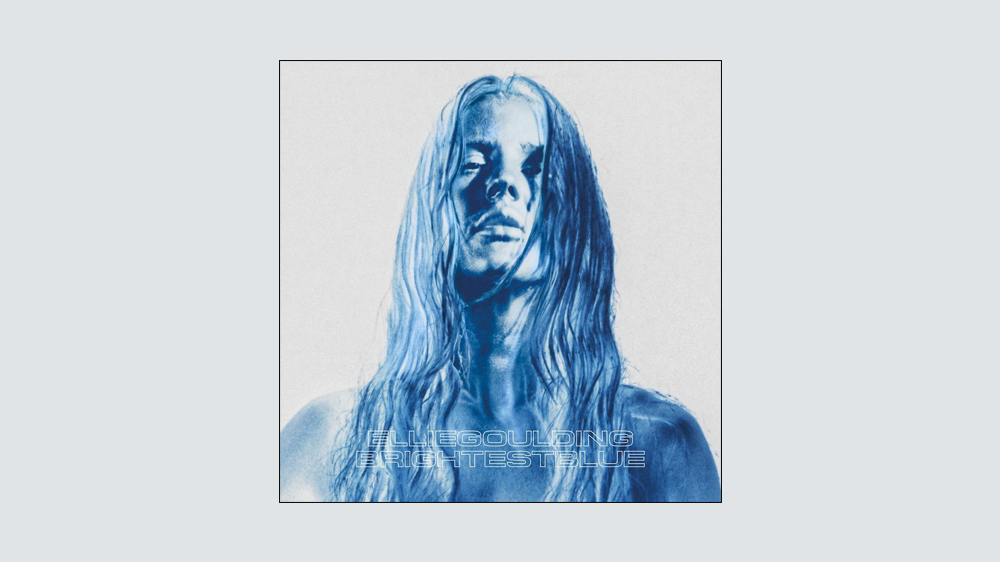
Week Thirty: Ellie Goulding- Brightest Blue

This is more like it. After last week’s piss-poor album on the top spot, we have an album that deserves to be there for its lyrical content, production, and delivery. I remember when I first heard Ellie (I’m pretty sure we all can.), it was the song that started it all for her back in 2010, “Starry Eyed”. Although it is not one of her best or even one of her favourites, in her own opinion, it was still a strong song, and the dubstep break was pure genius, considering how popular the genre was becoming around that time. I can’t say I know much about her debut 2009 single, “Under the Sheets”, which only charted at no.53, but no one will forget “Starry Eyed”, even though it only charted at no.4 and therefore isn’t her highest position of that year, let alone her career. It was everywhere. You walked into a shop, you heard it. You switched on the radio, you heard it. You went to a fast-food restaurant, heard it, switched on the music channels, and heard it. From all that promotion, it saw her debut album “Lights” hit the top spot in her homeland and chart at no.6 in Ireland. A year after being signed, all the hard work paid off in only the beginning of what has been an eleven-year career. She has since had success with the singles “Burn”, “Love Me Like You Do”, and “River”(“River” being a Joni Mitchell cover.) scoring top spots. And every album save for “Delirium”, which was her last, has reached the acme. Bizarrely, it has been half a decade since Ellie last released an album, and it appears that “Brightest Blue” was worth the wait.

This record has been recorded over three years, with the majority done in 2017. I heard a snippet of one of the tracks on the lockdown edition of Later…with Jools Holland. Now, it was difficult to gauge any opinion from it as, as I have mentioned, it was only a brief clip of the music video for “Power”, which subsequently was released a month after the show aired. From the snippet and Ellie’s discussion with Jools about “Brightest Blue”, it sounded promising. I will go into details of how that did indeed turn out to be the case.

The album starts strong and explosive in terms of the production and language with a track aptly named “Start”. The song features a crowd cheering, then Ellie starts to play the piano and what sounds like a slow jam with serpentwithfeet singing through a vocal tube. I don’t know what they are called, but the late Roger Troutman and Jodeci were big fans of utilising the device. Okay, so maybe I exaggerated a bit on the “explosive” part, but the production is, all the same, outstanding. I was leaning towards the language used by Ellie rather than the production. It doesn’t fit in with the slow jam, but it is refreshing to see Ellie pour out her feelings and go with them in a way she seldom sees in terms of swearing in a song.

“Tides” caught my attention much later in the record, and it sounds like a song produced by Jamie XX or, indeed, a song for the XX. I wasn’t too keen on the features as, once again, the artists resorted to using that dreaded autotune. It spoiled some potentially impressive tracks on the second disc, which only renders “Overture” and “Sixteen” worthy of listening.

“Wine Drunk” is a very short track, but you can tell that Bon Iver has inspired Ellie as she used the same vocal effects that Justin Vernon uses. The title track that ends the first disc is a powerful song, and when you look at the lyrical content, it is very poetic. Here is an example of what I mean:

“Even in the calmest seas, now it’s all I wanna be, a semi-precious mystery, yeah I love me more than you, doesn’t mean I can’t be true.”

I love lyrics like that. You could use it for rap as well as for just poetry. Ellie has done a great job on this record, and both discs end strongly with “Brightest Blue” and “Sixteen”.

Ellie is cementing her place in music history, and you can understand why she is still relevant with unique vocals, catchy choruses, lyrics that strike a chord, and her desire to mix up her songs. This is one of her best albums to date. “Brightest Blue” captures your imagination from the very first listen.

Recommendations: “Start”, “Ode to Myself”, “Woman”

8/10