Week 28: Oasis- Time Flies…1994-2009

A track-by-track review of the latest compilation by Oasis:

Disc 1/Side A:

Supersonic:

Noel claims to have written this in ten minutes during the sessions, and a dog called Elsa was present, which led to one of the lyrics. Although I enjoy this from the opening drums, I prefer the live version. Noel goes on a mad one and does an extended outro with a blistering guitar solo. Experiencing this one live is something special. I am still dumbfounded how it didn’t break the top 20 upon its release. It’s a timeless piece of music that we can all appreciate.

Roll with it:

From the very first drum intro, you are pulled in whether you like it or not. After this drum fill by Alan White comes Noel Gallagher’s signature guitar riff. Then comes the infectious chorus where you cannot help but join in as Liam Gallagher snarls.

I loved Liam’s vocals during this period. Powerful and raw. When I witnessed this song live during their prime, I could see the cocksure attitude Liam displayed onstage while singing this. I also sensed that he knew he and the band were untouchable at the time.

The lyricism is elementary. There is no profound exploration of the meaning of life. It is about living in the moment and not letting anyone disrupt it. You can see why this has become a stadium anthem that gets the crowd rocking.


The production features layered guitars, a solid bassline from Paul “Guigsy” McGuigan, and, of course, the excellence of Whitey on drums. It’s a song that’s ready to be belted out by the crowd in various venues, inviting every listener to become a part of the performance. There’s room for every instrument to take centre stage, creating an engaging and interactive experience. It also embodied what an anthem from “(What’s the Story?)Morning Glory” should be.


Live Forever:

I absolutely adore this song. It is without hesitation my favourite Oasis song. The lyrics are about wanting to live forever to counter the dark lyrics of the late Kurt Cobain during that period. And who doesn’t want to live forever? In the case of Oasis, they will. They are immortalised with songs like this. This track was the catalyst that led me to pick up the guitar and start writing. While everyone wanted to be Liam, I wanted to be Noel. That guitar solo still sends a shiver down my spine. It may not be the most intricate, but it sold learning to play for me. I feel sorry for Tony, though. In the obligatory video, he is buried before rising again after the guitar rings out. Was this a subtle to say he was going to be sacked?

Wonderwall:

I am not a fan of the single version or the live version with Liam on vocals. I prefer the Noel-sung version because he gets what the song means, and therefore delivers the correct tone and emotion. I will be missing that version until Noel heads back out on tour with High Flying Birds, whenever that may be.

From the outset, you are familiar with the acoustic chords, followed by the backbeat, which is hinted at in the lyrics during the second verse. A subtle electric guitar then accompanies this, before it flourishes into a crescendo of strings that sits within the production.

The lyrics, which carry a romantic essence, were shaped by Noel’s evolving aspirations over the years. The latest interpretation suggests that the song is about an imaginary friend who acts as a saviour from the creator’s own thoughts. However, as with any Noel-penned song, the interpretation is open to the listener’s imagination.


Of course, Liam is known for his snarl, which does not change even on such a delicate song. The only change is that he tones down the usual delivery. It is still there, but he understands he needs to display some vulnerability. It also demonstrates that he can deliver emotionally charged vocals—something which he seems to omit during live performances of the song, which is a shame.


Owen Morris and Noel sought a rich sound while maintaining the band’s swagger. The strings were also added with care to avoid saturating the sound, which can occur when a track is overloaded with instruments.


Stop Crying Your Heart Out:

This emotional anthem has become a fan favourite since its release from the 2002 album “Heathen Chemistry”, combining both the band’s raw emotion with a powerful, melancholic melody.

Noel’s focus for this track was on how we can pick ourselves up when life gets us down. The repeated advice in the outro to “stop crying your heart out” is a powerful reminder, urging us to persevere. It’s a call to action that empowers us, reminding us that we have the strength to face and defeat whatever is causing us a problem.


As with the majority of Oasis songs, ’Stop Crying Your Heart Out’ is shrouded in melancholic lyricism over uplifting instrumentation that builds as the track progresses, much like an individual bursting through the clouds and into the sunshine.


Of course, before the lullaby-esque final chords come the colourful guitar solo outro, which gives an element of hope and triumph; it also displays a mature side to Liam’s vocals as he sings delicately, save for when he is instructing you to get up off the floor.


Cigarettes & Alcohol:

Of course, the riff is lifted from T. Rex’s ‘Bang a Gong (Get it on)’ as mentioned in the introduction section. The song embodies wanting to forget about life and have it while drinking and smoking. It is just uplifting all round. Underneath all the bombastic is quite a political message, but it also says fuck it. Just live it up, drink, smoke and do cocaine. For me, the song doesn’t come alive until the outro. Liam singing that last verse with attitude and a snarl. I also like the guitar solo in the outro.

Songbird:

This was the first time that Liam wrote a serious song worthy of being released as a single. And there is no faulting the simplicity in ‘Songbird’.

Liam has said he has never been fond of the stripped-back tracks with acoustic guitars, but this song contradicts that. It is also removed from the usual raw energy of Oasis. The song also features a harmonica to aid the guitar and light brushes on the snare drum.

Lyrically, the track is an ode to a lover, which lends it a deeper meaning. The lyrics may be simple and repeated in the short verses and choruses, but they work. His vocal delivery shows that he is more than a snarling frontman and can display affection when it is necessary.

‘Songbird’ is not trying to be an anthem. The simplicity of it shows Liam’s ability to write a song with a simple melody and profound lyricism. It is also enjoyable to play on the guitar, despite its simplicity, which only has three chords.


Don’t Look Back in Anger:

The piano intro is partially taken from John Lennon’s ‘Imagine’. Noel has even admitted that was what he planned all along when he finally got into the studio. Before then, he had written it in a hotel in Paris. Rumour has it that Liam misheard one of the lyrics as “Sally”, so Noel decided to alter the chorus to use that name. He also met Aimee Mann and told her he wrote it, but she did not believe him.

After the piano intro, which sets the mood and tone for the song, a brief light guitar solo precedes the drum fill, followed by the whole band as the song enters its first verse. The track has grown into a fan favourite, regardless of the venue and whether it’s Oasis or High Flying Birds. Liam has also been known to perform it during his solo shows.

The lyricism is shrouded in mystery. Who exactly is “Sally”? Does it refer to an acquaintance in some capacity of Noel’s? Or is it a fictional character created for the song? All he has said is that it is about an individual looking back on life with no regrets. The chorus, with its irresistible allure, has led to many sing-alongs in various settings, underscoring the song’s impact.

I also love the guitar solo, followed by the incredible drum solo, which leads into the final chorus with perfect timing.

The Hindu Times:

This was the lead single from “Heathen Chemistry” in 2002, signifying that the band was planning to return with a bang. It had all the fuzz and reverb that we all knew from their heyday. Liam’s raw vocal snarl also returns after appearing almost tame on 2000’s “Standing on the Shoulder of Giants”.

‘The Hindu Times’ comes with the unmistakable wall of sound, complete with another huge chorus. In the verses, you hear new bassist Andy Bell’s solid bassline over Alan White’s pounding drums.

The lyricism showcases the confidence and arrogance of a band ready to rise after taking a step back on the previous album. Noel had regained his love and knack for songwriting.


The critics were not impressed that the band used a tried-and-tested method, but it was what the fans yearned for. The band they fell in love with during their rise.

Stand by Me:

This track was featured on the 1997 record “Be Here Now”. A love or hate album, as it was dubbed the ‘cocaine album’ by Noel. You can certainly see why, with layers and layers of guitars, the record comes across as overproduced. However, even with all that, ’Stand by Me’ was one of the standouts. Even better when performed live, whether electric or acoustic.

The reflective lyrics are what make this track stand out from the rest of the tracks on the 1997 record. Noel decided to incorporate vulnerability in the verses and choruses at a time when the band was at the pinnacle of its success, a testament to their unmatched confidence. Even bands like U2 were struggling to keep up during this period, a fact that makes us, as fans, feel even more connected to the band’s journey.


And then, of course, there is Liam’s vocal performance, who, despite having the signature snarl, encapsulates the meaning behind the lyrics, as evidenced by the audible emotion. You can sense that he feels the words as he sings them, and that resonates with the listener because they understand the song through their own experiences of feeling vulnerable and in turmoil.


The chorus is also another sing-along, which fans scream at the top of their lungs with an infectious passion. The bassline, orchestral flourishes, layer of guitars, and crashing cymbals are not smothered, like most of the “Be Here Now” tracks; somehow, they appear to elevate the song. And amidst all thIS, Liam’s vocals stand out, adding a unique and individual touch to the song, further fueling the energy and excitement of the live performance.


Lord Don’t Slow Me Down:

The song was released during a bridge from “Stop the Clocks” in 2006 and “Dig Out Your Soul” in 2008. It was released as a digital download only. The fuzzy guitar riff showed that the band were ready to release more material.

From the opening drums, the track is set up to be in-your-face, and that proves true as the fast tempo never drops. The guitar solo, a showcase of Noel’s experimental spirit, introduces a raw yet psychedelic sound reminiscent of the golden era of The Who and T. Rex.

The relentless acoustic and electric guitar riffs are complemented by a thick bassline, making the instruments feel alive.

The lyrics are defiant, matching the ferocious tempo of the instrumentation. Once again, the lyricism is steeped in that cocksure attitude we can expect from Noel’s mind. He prays that the Lord does not slow him down, as he wants to continue on this rollercoaster.

Noel’s vocal delivery in this song is a masterclass in emotional expression. He shows a snarl during the verses, a raw and sneering quality that we expect from his brother, as you would expect from a songwriter. Noel’s delivery is filled with a rebellious energy that perfectly captures the song’s tone. He grasps the meaning and knows when to convey the right emotions at specific junctures of the song, and he does so perfectly. The track is not pretentious in the slightest. It is steeped in blunt honesty. During a period when Noel was settled down and a father, he still had the fire in him to be defiant, rather than writing something more sedated.


Shakermaker:

I’m not a particular fan of this one. It is corny, yet at the same time, has a certain charm to it. It is also lifted from the 1971 Coca-Cola jingle I’d Like to Teach the World to Sing (In Perfect Harmony). Here is a little fact: Nowaysis covered both versions.

The song is also inspired by elements taken from  Noel’s listening preferences- you have “Plasticine” from The Beatles, “Mr Clean” from The Jam and “Mr. Soft” from Cockney Rebel. He also references his local Mancunian record shop, Mr.Sifter. When the band perform this live, they occasionally include an extra verse with the Coca-Cola jingle. Noel was cheeky in how many references he used in this song and was fortunate not to be sued by more than just Coca-Cola Schweppes.

All Around the World:

A track that was in its infancy in 1992 finally made its way onto “Be Here Now” in 1997. The track has been dubbed their ‘Yellow Submarine’ moment, but I find that extremely harsh, as it is more alive than the Ringo Starr-penned Beatles song. To start, this is a stadium anthem; the sound is gargantuan. The intro is slow and subtle, featuring light piano, gentle strums of the electric guitar, and steady strumming of the acoustic guitar, before the drums signal the beginning of the first verse.

Liam’s trademark vocals were in full force during that tour, a period where he was unstoppable and relentless. His vocals were at their peak, hitting all the high notes and delivering powerful performances. Despite the snarl, there’s a certain innocence in his vocals in the verses. And the simplicity of the chorus, a signature of Oasis, never fails to cause a sing-along.


The track lasts 9 minutes and 20 seconds, but if you include the reprise, which was instantly added to the song live, it extends to what appears to be 15 minutes, and the people would all go home on a high after a thrilling ending. Noel finally knew he could write an outrageously long song that could still hold the attention of the listener and the audience. ‘All Around the World’ may lull in the verses, and have a quiet intro and be reduced to a plonking piano on the outro, but it is full-on elsewhere.


Noel was unapologetic during this record, and it’s evident in this song. He was not seeking moments of reflection, but rather self-assurance and utter confidence. A middle finger to what critics wanted the track to be.

Disc 2/Side B:

Some Might Say:

It is a classic indie rock song. Released in 1995 as the lead single from their second album “(What’s the Story?)Morning Glory?” and the last song to feature original drummer Tony Carroll, the track reached the top of the singles chart in the UK, which is quite bizarre given tracks like ‘Live Forever’ came before it. Despite being their second biggest song, it did not make number one, when it was more worthy than ’Some Might Say’. It, too, has become a stadium anthem for the band.

The lyrics of the song are deeply personal to Noel, reflecting his own life experiences and his battle with drug addiction. The chorus, with its emotional resonance, captivates its audience. However, as with many Oasis songs, Noel leaves the interpretation of the song’s meaning open for the listener to discover their own connection.


As for the music, you hear driving guitars, thumping drums, and of course Liam’s sneering yet melodic vocals. A guitar solo greets you at the intro, which sets up the rest of the song—not forgetting that anthemic chorus, which has uplifting lyrics about finding a brighter day.


During the breakdown, we hear a spellbinding guitar solo by Noel, adding more energy to the track. This is definitely one to listen to live, as there is an extended outro with Noel embracing the solo, accompanied by Gem, Bonehead, Andy, and Joey supplying the rhythm section.


Champagne Supernova:

A light electric solo joins a quiet acoustic guitar solo on the intro, and of course, the sound of waves leads us into the verse where Liam starts to sing. The track is not your typical in-your-face anthem by the band, but rather a slow-burning number that evokes a sense of calm, sending the listener into a state of tranquillity. Then, on the final lyric of the verse, the electric guitar thrashes and is joined by full instrumentation. Noel has often been accused of writing songs that are not complex, but here he demonstrates he can switch it up with an atmospheric soundscape.

The lyricism is surreal, containing lines like “Slowly walking down the hall, faster than a cannonball.” It is nonsensical, but somehow it conveys a meaning where there should be none. The lyricism draws you in, and somehow, you try to find your meaning behind the lyrics. I cannot tell you how, but it just happens. You will understand how it all works when you see it performed live.

Liam Gallagher also shines here as he tones down his trademark sneer for a more reflective, and melancholic tone before kicking it up in the chorus. And who can forget that dazzling solo by his brother Noel Gallagher? Witnessing it live is truly amazing. It may not be a virtuoso solo, but it is soaring and melodic, embracing the spirit of the song. Everyone is working together here, and it shows the band in their prime.

Of course, this was the final track on their sophomore record, leaving the listeners feeling elated. It also showed that the band were ready to move into the stadium setting. The song itself became an anthemic sing-along for the fans before the band walked off and returned to perform the encore. On the current tour, it acts as the finale, and why not? It is a great way to top off a gig.


Rather than having a catchy chorus, the song is about a sense of community. This was released only in the United States, and sadly, it was shortened to be radio-friendly, but you need to hear this in all its glory. Whether it’s the studio version or witnessing it live, it lasts over 11 minutes and features a blissful outro. The track is Noel’s finest work.


The Importance of being Idle:

Released in 2005 from the album “Don’t Believe the Truth,” this one was less about being a stadium anthem and more about the lighter side, with Noel taking over vocal duties.

Noel Gallagher gets the vocal delivery just right, where he talks about taking it easy against the relentless pace of modern life. The title is apt with the lyrics contained within.


The track is built on a simple, lightly strummed electric guitar. Something that Noel adopted more after “Heathen Chemistry” instead of the ferocious strumming before. He wanted his guitar playing to be more nuanced, reflecting his growing maturity and wisdom, as evident in the writing of the track.


‘The importance of being Idle’ is not vicious in tempo, but rather mid-tempo, reflecting the lyrics. It showed that Noel could turn his hand to lighter songwriting rather than the typical anthems. It lacks the brashness that Oasis usually exhibits, but it still gets the audience singing along nonetheless. It is also a pleasure to play this short song on the guitar. Even the soft songs still carry weight. The song was well-received by fans and critics alike, thanks to its catchy melody and relatable lyrics, which made it a standout in Oasis’s discography.

D’You Know What I Mean?

The leading single from 1997’s “Be Here Now” was a taste of what was to become. It gave us a sense of excitement as we waited for their third album. The drums on the intro are apparently taken from Public Enemy’s ‘Fight the Power’, and Noel is supposed to be a fan of the hip-hop collective. I think I read that in Paolo Hewitt’s book “Forever the People”. This song is like a guitar war as they layer with flanger, delay, and wah-wah, wanting to be the dominant axe in the track. Going back to the drums, Whitey drives this as he thumps the beat, and of course, Liam’s trademark sneer.

Noel, of course, leaves it all open for the listener to take away what the meaning is, and he drops a Beatles reference in, complete with an anthemic chorus fit for stadia.

The song remains great, almost three decades on, but it also serves as a reminder of how overproduced “Be Here Now” was. Noel only attempted to refix one track from the album in 2016, and he chose this. To be honest, with all the ridiculous layers removed, it sounds so much better. “Be Here Now”, produced in the manner this track was in 2016, could have made all the difference to the criticism the record has received since its release in August 1997, but hindsight is a wonderful thing.


However, it is a primal track beneath the layered guitars, and a band that had no plans to slow down during their prime. This track sounded amazing live during the tour, and less bloated. It unapologetically embodies the ethos of Oasis.

Lyla:

The lead single from 2005’s “Don’t Believe the Truth” acted as a defiant statement, and an ode to his then-girlfriend Sara. Oasis had regained the ability to make songs ideal for the stadiums.

The song contains driving rhythms and a sing-along chorus. There are layered guitars, but it does not sacrifice the raw energy that the band were known for during their hedonistic days. It signified a resurgence of vintage Oasis.


The vocal delivery is, as usual, the signature of Liam. He bellows out the chorus, and live this is in unison with the audience, who make his vocals soar as it seems to give him a boost.


The track is a quintessential Oasis anthem. It is catchy and has plenty of energy. When it was released as a teaser for the record, it was a thrilling sign that the band were back to their best, as they finally had a settled lineup for the first time since 1998, despite the teething problems they experienced during their headline set at Glastonbury almost a year earlier. The track has no heirs and graces. It is just pure rock n roll. The formula of Noel’s songwriting prowess is there for all to hear.


Let There be Love:

The track begins with a reflective and gentle acoustic guitar intro. Something not familiar with most Oasis tracks that are singles. The vocal collaboration between the Gallagher brothers is something to behold on the sublime ballad. Of course, Liam has most of the vocal duties, but Noel’s backing harmonies and co-lead give this track the emotion needed.

The instrumentation in this Oasis track is not your typical, but more restrained. Soft pianos over gentle acoustic strumming, accompanied by a light bass and tempered percussion, create a unique backdrop. However, it’s the vocals and melody that shine, drawing the audience in and making them feel connected. It’s an anthem of the band, but with a more gentle tone.


The lyricism is more reflective and more mature compared to the louder Oasis tracks. It also talks about unity. It is also quite odd to hear the brothers collaborating on such a track, given their volatile relationship during this period. In a way, maybe they were reaching out to each other about calling a ceasefire on their bitter war.


The track from 2005’s “Don’t Believe the Truth” doesn’t beat around the bush. It’s a clear demonstration of the band’s maturity. The track doesn’t meander with the message, but rather gets straight to the point from the opening verse. This directness is a sign that the band was capable of creating tracks that resonated with a more mature audience. This transition was perhaps inevitable as the band members were getting older.


This single showed that Noel could write songs about vulnerability as well as the usual ones about self-confidence and invincibility. Even the loudest of bands can have moments of introspection.


Go Let It Out:

After two years of hibernation, Oasis returned in the 21st century with the lead single ‘Go Let it Out’ from “Standing on the Shoulder of Giants”. It was not their usual explosive return, but more a Beatles-esque one. More of the Fab Four’s psychedelic era, as you can hear acoustic strumming over a mellotron, delicate strings, and an easy-going rhythm section. It caused a storm when they released it because most were expecting an anthemic explosion. Not something psychedelic.

Liam’s vocals are also tempered to match the mood. Even the chorus is not full-throated, but still has impact. The single matched the overall theme of the album.

Although the fanbase was not happy upon its release, it showed that Noel was willing to take the sound in a different direction, and despite all the criticism, it is still played live.

The song demonstrated that the band could move away from their big-venue anthems and do more reflective material, which showcased the maturity in Noel’s writing at a time when he had fallen out of love with writing and was battling the block. One from their underrated singles collection.

Who Feels Love?:

This one had more psychedelia with a sitar included to add to the effect. Overall, it featured light strummed acoustic guitar and hypnotic percussion, creating a dreamy Middle Eastern vibe. This was certainly more latter Beatles than early Oasis.

Again, Liam was willing to adapt to the mood with a more melodic delivery to match Noel’s searching vulnerability within the lyrics. The focus on Noel’s writing is loneliness, solace, and human connection. Again, the sound and lyricism demonstrated maturity and a more reflective tone.


As with ‘Go Let it Out’, the single also received a mixed reception upon its release. The fans were unhappy that the band were leaving behind the raucous sound they were known for. Many were underwhelmed with their flirtations of psychedelia, finding it “boring” and far too experimental. It did not chart as high as their anthems, which might have been down to the listeners rejecting a more tempered version of the band.


Despite all that, the song is an underrated masterpiece from their catalogue. They may have caused a disconnect with a significant portion of their fan base, but they should be commended for being willing to try something original. It showed that Noel wanted to explore one of the many influences on the soundtrack of his life. Give this one a go. Open your horizons because songs like this from “Standing on the Shoulder of Giants” are worth exploring to appreciate a different angle and broaden your musical perspective.


Little by Little:

Surprisingly, this is not my favourite from 2002’s “Heathen Chemistry”, but ‘Little by Little’ runs close. I have loved this song since I first heard it, and I enjoy watching High Flying Birds perform it. I also enjoy playing it, especially when I get to the breakdown. There is something satisfying about playing that section, but I cannot quite put my finger on what it is. The intro and the verses are hypnotic to me as I drift off to another place when playing it on the guitar. I love Noel’s apt emotional vocal delivery.


Noel’s warm and moody vocals don’t need any added attitude. He pours his heart into the pre-chorus and chorus, and the audience, in turn, finds their voice, singing it back to him during a live performance. This shared experience creates a palpable sense of community, where each member is an integral part of the performance.


The track is welcomed by a short electric guitar riff, followed by reverb, and then an acoustic guitar is delicately and quietly strummed alongside a gentle electric guitar. As the chorus creeps, so does the whole band, and of course, the Oasis soaring melody. Noel’s guitar solo is elementary, but effective.

This was when Noel’s playing became more nuanced. He did less ferocious strumming, adopting quieter downstrokes, which showed an artist maturing and taking it more easily.

The Shock of the Lightning:

This leading single taken from 2008’s “Dig Out Your Soul” is full on from the very first snare. It is fast-paced with a guitar riff during the intro and verses. It signified that Oasis were back with a bang. They wanted to show the world that they still had it, and they should take notice. It is no surprise that it was a huge success among fans on their previous tour and became an anthem. This was also the last track to feature Zak Starkey on drums, who perfectly matches the song’s tempo.

Liam’s sneering vocals of yesteryear make a welcome return. He never lets up. ’The Shock of the Lightning’ was quintessential Oasis that can only be played loud and encourages the audience to sing along to.


People had been saying the band had lost their identity because they were being more experimental and psychedelic, but this showed they still had that raw energy. It proved to be one of a few tracks from the album to display that.

She is Love:

Another single taken from “Heathen Chemistry” begins with a softly strummed acoustic guitar, which is the leading instrument besides Noel’s vocals. This ode to his then-girlfriend Sara oozes simplicity. Noel’s vocals are delivered in a warm and sincere tone. The backing harmonies do not suffocate the acoustic or Noel’s vocals.

The lyricism is Noel not trying to be fancy, but expressing how his heart feels for her. There is also a sense of psychedelia in the instrumentation that accompanies the acoustic.


Regarding “Heathen Chemistry,” this upbeat love song brings a sense of calm. It might not be a stadium/arena anthem, and it has never been played live in those settings, but it is a beautiful track that shows Noel can write a song where less is more.


Whatever:

How this was never included on an album is beyond me. It finally did make it onto a record, which, funnily enough, is the one you are reading about right now. ‘Whatever’ acted as a bridge between “Definitely Maybe” and “(What’s the Story?)Morning Glory?” when it was released in December 1994, and unfortunately just missed out on the top spot. The intro begins with an acoustic guitar, accompanied by piano, strings, a simple rhythm section, and an intermittent electric guitar riff.

Noel also departs from his usual to write an ode to liberation and the innocence of youth. Liam also tempers his vocals to match the wistful tempo. The chorus, a true Noel masterpiece, is a sing-along that has been joyfully belted out by the crowd countless times, creating a sense of unity and shared experience, regardless of the version.


The song itself has become timeless and is not tied to the era in which it was born. The strings really add to the colour. Some might say (ha ha!) the strings give it a cinematic feel without causing overwhelm. It is a track for all venues, and whatever (ha ha another one!) the weather.


The track shows Noel’s versatility and songwriting prowess. Oasis managed to find new boundaries in rock, yet still ensured the message did not pass the listener by. I love this song, full of optimism and joy. It deserved to be the Christmas No. 1.

I’m Outta Time:

This single from 2008’s ‘Dig Out Your Soul’ is melancholic and stripped back. Rather than the usual wall of sound, this Liam-penned song is an acoustic guitar melody. Over the delicate rhythm section, wistful guitars create a reflective mood. Liam bares his soul.


Liam’s vocal delivery is reminiscent of his late idol John Lennon, rather than his signature snarl. Liam shows his human side and highlights maturity in his vocals that is seldom heard.


In a record full of full-on rock and experimental, ‘I’m Outta Time’ gives the listener a chance to breathe and reflect. The song could also be seen as the band approaching the end of the original run, as it shows quiet contemplation and finding peace with the inevitable, rather than trying to hold on with the usual anthem.


Undoubtedly, this is a masterpiece from Liam’s songwriting arsenal, a gem that deserves more recognition. It’s a testament to Liam’s exceptional talent as a songwriter and his ability to craft a song that resonates with the audience. I can only hope that Oasis will recognise this and add it to their setlist, perhaps with the enchanting accompaniment of the Festival Crouch End Chorus, as I had the pleasure of experiencing in 2008. Their backing only served to enhance the song’s beauty.

Falling Down:

The current single, released in March 2009, is often overlooked for its psychedelia, yet it remains an integral part of their discography. It may not be an anthem, but it features sonic experimentation, even as the band approached the end of their original run.

The psychedelic landscape, a departure from their usual wall of sound, is polished and introspective. The motorik drum beat is joined by swirling guitars, angelic strings and shimmering effects, creating a sound that is engaging. Dave Sardy’s involvement in the album, particularly with ‘Falling Down,’ has resulted in a polished, expansive sound that takes the listener on a mental trip. The polished and introspective nature of the track encourages the listener to pay close attention to the lyricism rather than get lost in a loud sonic boom.


Noel, as usual, delivers this with his trademark vocals. You know? Reflective and philosophical. He talks about trying to reach out to God, but receives no answer, and pleads with Him not to waste his time if He cannot save him. Noel claims to be agnostic these days, rather than keeping his Roman Catholic roots, but this one has biblical references.


Was it also written about the band falling apart? Who knows. Noel likes to leave it all up to the listener to decide. It may be a more laid-back track, and might I add, my favourite from “Dig Out Your Soul”, but the message is potent. Noel was willing to push the band in other directions, mainly towards experimental and atmospheric sounds, as demonstrated on this one. Noel would further explore different avenues when he formed High Flying Birds in 2011. This song showed the band’s intriguing creative output during the chaos of the original run.


This recent atmospheric track stands alone from their usual stadium anthems. You cannot help but listen to it on the record or rewatch live performances of it, and learning something new every time from the meaning of the lyrics. Hopefully, Noel will revisit this with High Flying Birds at some point because it is a gem.


Don’t Go Away:

This was a single released in 1998, I believe for the American market only, and does not reflect the general mood of 1997’s “Be Here Now”. It is somewhat melancholic compared to the grand sound of the rest of the album. I love the raw emotion in this track, and it showed a level of maturity seldom seen during that crazy period.

It begins with an acoustic guitar, its gentle strumming setting the stage. An electric solo joins in, adding a layer of complexity. A light-fingered piano follows, its delicate notes adding a unique texture. As the composition progresses, the tempo ebbs and flows, drawing the listener’s attention to the heartfelt lyrics.

Noel’s is more direct and vulnerable as he wrote this ode to his mum at a time when she had a health scare. The title suggests that he hopes his mum is around while he is still alive. Liam’s vocals reflect how Noel envisioned delivering this ode, and his little brother excels at it. You can hear Liam’s voice crack as he sings the words to his mum. This is Liam shedding all of his rock star bravado and laying his soul bare, as his middle brother did with the lyricism—one of his best vocal performances.

Compared to the majority of their discography, ‘Don’t Go Away’ is a refreshing one. It reveals a different and much-welcome side to the band, showcasing their versatility and Noel’s exceptional songwriting. Liam’s profound understanding of the song’s meaning is commendable, making it a simply blissful ode to their mum.

Sunday Morning Call (Hidden track 2 minutes):

The 2000 single comes in two minutes from the transition of ‘Don’t Go Away’. Noel opted to make this a hidden track because he does not have a lot of love for it, despite playing it during the “Standing on the Shoulder of Giants” tour in 2000 and “Brotherly Love” in 2001. I do not know why Noel detests it so much, but for me, it is the best song from 2000’s “Standing on the Shoulder of Giants”, and was the beginning of Noel’s departure from heavy drug taking and heavy drinking. I call it the sober, mature song, because it is. It’s a quiet and reflective track.

The song begins with the gentle strum of an acoustic guitar and the ethereal touch of piano keys, all set to a melancholic melody that endures even as the full band joins in. Noel’s vocal delivery, once again, is successful. His voice, as it soars during the chorus, manages to maintain perfect harmony with the track’s mood, keeping the listener connected.


Noel has always been brilliant at matching the lyricism to the music when he takes over vocal duties. It is about the uncertainty of whether things will ever work out right. Maybe a reflection of himself, weaning himself off drugs, and being unsure if he could be strong enough never to stray.


The song fitted perfectly with the rest of the record. I love Noel’s versatility, and the band’s willingness to let him explore new soundscapes and more sobering subjects such as this one.


The song was never intended to be a sing-along or a crowd-pleaser, but rather for the listener to reflect on whether in solitude or at one of their gigs during that period—a very underappreciated, and undeservedly disregarded song. I often find myself listening to this because I do find beauty in the melancholy.

Song recommendations: Are you fucking serious? No chance. There are far too many.

9/10
Week 24: Pulp- More

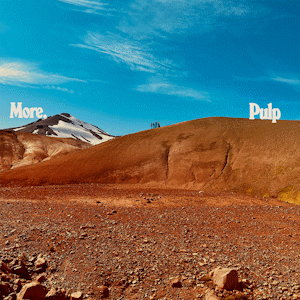
Before their stroke of fortune of being bumped up to Glastonbury headliners in 1995, and of course, the success of ‘Common People, Pulp had been plying their trade for over a decade with little success. However, their rise from playing pokey venues in Sheffield to performing in stadiums, and of course, being on the iconic 1996 Knebworth Oasis gigs, shows that with a little patience, you can get to where you want to be. The band finally found their home in the 90s, thanks largely to their counterparts Oasis making indie rock cool again. Jarvis was seen as an elder statesman of the scene despite still being relatively young in his early 30s. The band emerged from post-punk in the 1970s and began with a teenage Jarvis Cocker inspired by David Bowie, and Roxy Music formed the band in 1978 using the original name Arabicus Pulp. The band flirted with various sounds and had frequent lineup changes while trying to search for their identity that began to take shape in the late 80s.


Before the hedonistic days of the 90s, the band, despite their indie status, had a strong connection with their fanbase, which remained small but loyal. They released several singles and albums that explored themes such as adolescence, boredom, and sex, all tinged with melancholy. Interestingly, tracks like ‘Babies’, now a regular feature in their setlists, were born during this period, showcasing frontman Jarvis Cocker’s storytelling talent, lyrical prowess, and knack for crafting a hit that vividly depicts life in Sheffield and his time at St Martin’s College in London, where the iconic ‘Common People’ story began.


Then came the breakthrough years in the 1990s. Jarvis had changed the lineup during the mid-80s and brought guitarist Russell Senior, keyboardist Candida Doyle, drummer Nick Banks, and the late bassist Steve Mackey. Pulp finally found their wall of sound that would bear fruit in the following decade. That sound would include glam rock, art-pop, and lyrical storytelling, all delivered with charisma by frontman Jarvis Cocker, the band’s founder in 1978.


The band’s 1992 single, ‘O.U.’, marked the beginning of their success and appealed to a broader audience. This success paved the way for their 1994 album “His n Hers”, a collection of songs that featured relatable storytelling. Popular songs such as ‘Do You Remember the First Time?’ let the audience feel a personal connection to the band’s music. This is where frontman Jarvis, a witty storyteller, arrived, further enhancing the emotional connection between the band and their fans.
“Different Class” followed a year later, and this is when things really took off for the band. ‘Common People’, which had a dig at the class divide, was fast becoming a frequently played song and evolving into an anthem for the band. ‘Disco 2000’ and the controversial ’Sorted for E’s & Wizz’ showed Jarvis’ witty and comedic storytelling over unforgettable melodies. The album would beat Oasis, among others, for the Mercury Prize in September 1996. It is also worth noting that their fan club president, Mark Webber, joined them as a guitarist/keyboardist in 1995 when they commenced recording the now legendary record.


Guitarist Richard Hawley became a touring member in the late 90s and early 2000s. The band appealed more to the misfits and quiet ones compared to the brashness and laddishness of the Oasis fanbase.


If you are new to Pulp, I would start with the iconic “Different Class”, but after, give “His n Hers” a listen to experience Jarvis’s lyricism with the band’s raw energy. You will realise why Pulp, even during their hibernation, has always been relevant in music conversations. Jarvis’ lyricism is like the poetry of everyday life accompanied by instrumentation. It also shows why they are still adored internationally—enough of the introduction. Yes, I could have mentioned the indie rock departure of “This is Hardcore”, but I was in danger of boring you. So, let us move on to the long-awaited record.


Pulp has finally completed its eighth album after a gap of twenty-four years between 2001’s “We Love Life” and now. It is also, sadly, the first record without their bassist, Steve Mackey. Although “More” addresses middle age daily life, compared to their iconic 1995 album “Different Class”, Pulp has not lost the magic that made them so popular in the 1990s.


From wanting to be noticed in their heyday, this album is more based on nostalgia than in the future. There are two tracks where enigmatic characters appear in ’Tina’ and ‘Grown Ups’ who seem to be individuals from Jarvis’ past.


Do not be fooled by the notion you are just listening to songs because with Pulp, it is more than merely instrumentation with nonsensical lyricism. The songs have always been poetic lyricism, and this record is no different. The tracks all formulate a meaningful story; sometimes, Jarvis delivers these in spoken word. Be it through the interludes or breakdowns during the tracks. Pulp is not aiming for chart success with “More” but is looking to structure the songs however they see fit while keeping the listener interested with the storytelling over various genres. This is not your typical pop-friendly album.


Despite not aiming for chart success, the band maintains a unique and unmistakable identity firmly embedded in their record. Each element contributes to the band’s distinct style, from Nick Banks’ driving drums to Mark Webber and Candida Doyle’s elan and Jarvis Cocker’s exemplary storytelling and witty lyricism. The band’s dynamic combination of these factors, however, is what truly excites and engages the audience.


The album explores several phases of human emotion. ‘Got to Have Love’ is what I would describe as a Smiths/Oasis/Killers song laced with melancholy over uplifting instrumentation. In this case, it is more indie-disco, like a fair few of their hits were in those heady days. ‘Farmers Market’ swings the mood with a romantic story encased by a piano and violins to bring it to life.


’Spike Island’ opens the record with a short, amusing story, setting a feel-good tone. ‘Hymn of the North’, the penultimate track, is a heartfelt tribute to their beloved Sheffield. The closer ‘A Sunset’ wraps up the album on a note of tranquillity, leaving you calm. Unfortunately, I haven’t had the chance to listen to the bonus track ‘Open Strings’ to see how it might alter the album’s ending. The verses in ‘A Sunset’ resemble the late Johnny Cash’s rendition of ‘Hurt’. Whether this was a deliberate homage from Jarvis or a happy coincidence, I can’t say.


“More”, for me, has something for everyone. It is not based in one genre. The lyricism and storytelling are outstanding, and I am excited about what comes next because it was worth the twenty-four-year wait. Despite the tragic loss of Steve Mackey, the band has not lost their touch, aided by their old friend Richard Hawley. Pulp is in rude health, and the impending tour will be fantastic. The magic is still there; they deserved to be at the top of the chart. Form is temporary, but class never fades.


Song recommendations: ‘Farmers Market’, ‘Hymn of the North’. ‘Got to Have Love’


9/10

Week 45: The Cure- Songs of a Lost World

I first heard The Cure when they released the relatively upbeat ‘Friday I’m in Love’. I then saw frontman Robert Smith on the television on the Chart Show on ITV, and he scared the shit out of me. I was terrified of how he looked for several years, and my phobia of him and goths did not subside until I met them in high school. It was then that I started to understand that they were nothing to be afraid of, and my perception of goth culture changed. Anyway, I have been listening to the band for a few decades and was thrilled to see Noel Gallagher ask Robert Smith to remix ‘Pretty Boy’. Who saw that coming? Noel, a fan of The Cure, and requesting Robert to remix a High Flying Birds track? Back to the band, this is their first album in 16 years. Their last being “4:13 Dream” in 2008. They played a year earlier at Teenage Cancer Trust, where I saw the band in a new light. I only knew them for their pop classics, but this showed more of their gothic persona. Long intros and guitars tuned into D. The latter represents a more gothic and metal sound.

It’s quite strange that the band has toured consistently since 2008 but hasn’t released a new album. The fans feared that the band were becoming a greatest hits act, so it was nice to hear new material being teased since their 2022 tour.

The fans were relieved to hear new material and accepted it, which can be a gamble because the majority turn up to the gigs to listen to the classics and other familiar songs. I disagree with this, but most do. I would prefer to hear a balance. Funny how things change, eh? In 1995 at Glastonbury, Robert joked that their forthcoming “Wild Mood Swings”(released the following year)would probably be purchased at Camden market before its release. These days, records can be streamed, downloaded, and leaked on YouTube before they are even available for purchase.

Alone’ opens the album and is a sign of things to come. Long, drawn-out intros before Robert utters a single verse, usually beginning around the 3-minute mark as most of the eight songs last over 7 minutes, with the final track lasting almost 11. The themes are also pretty heavy. Discussing the deaths of his parents and his brother among them.

This record, unlike the commercial pop-friendly uptempo songs such as ‘Friday I’m in Love’, ‘In Between Days’ and ‘Just Like Heaven’, delves into deeper subject matters. Despite its weightiness, it’s still relatively easy to listen to because you get lost in what Robert says. My favourite on the album is a song I first heard during the previous tour, which only recently ended, called ‘I Can Never Say Goodbye’. This song, a heartfelt reflection on the loss of his brother, is a testament to the album’s emotional depth. Robert’s struggle to perform it live without succumbing to his emotions was evident, as he often moved away from the microphone, tears silently streaming down. I recommend listening to the lyrical content. It is wonderful yet heartbreaking.

The final track, ‘Endsong’, is the lengthiest track on the record, just under 11 minutes. It’s a journey back to Robert’s childhood, where he was playing in the garden, gazing up at the moon in awe thinking about how man went there. Now, as an adult, he’s attempting to piece together the significance of these memories. It’s this deeply personal connection that resonates with fans like Noel Gallagher , who, as a songwriter himself, can truly appreciate the genius of Robert’s songwriting.

There are some new additions to the band. Roger O’Donnell rejoins to play keyboards to be reacquainted with Robert, Jason Cooper on drums and Simon Gallup on bass. Before I talk about the next member, I would like to say that, as usual, Simon never disappoints. I often compare him to Peter Hook, and it is easy to understand why. They sound similar and are both sublime bassists. Now, back to the final addition, and making his debut on guitar, Reeves Gabrels, who did a fine job considering the nerves must have been jangling during the recording sessions. I am unsure whether the other returning member, Perry Bamonte, is featured on the album, but he has most certainly been performing live. The new album, ‘Songs of a Lost World ‘, is a return to their former glory creatively and musically, and the title reflects the themes and inspirations behind the music.

Can they improve on the next? Hopefully, there is another album in the offing, but they will have to do something extraordinary to beat this one. The Cure could have settled for playing albums in full during anniversary years or playing their greatest hits, as it is more than enough to satisfy the masses. However, they chose to dedicate themselves to creating fresh material, a decision that paid off. Hopefully, it isn’t the end of their recording days, and they are given time to work on it as they please, but if it is the final record, then the 16 years of waiting were worthwhile.

Song recommendations: ‘I Can Never Say Goodbye’, ‘Endsong’, ‘And Nothing is Forever’

9/10

Week 41: Coldplay- Moon Music

It was great to finally see Coldplay live and experience all I have witnessed watching their performances on television/listening to them. I went to Radio 1’s Big Weekend in spring with one of my best friends, and the experience is even better when you are there. Of course, there were still people watching it through their phones, which beggars belief. I prefer to be in the moment, and sharing the moment with Coldplay is one of those times you are glad to be alive. The love and harmony are just immense. It was excellent to experience it before they split up. I was looking forward to hearing “Moon Music” after hearing some of the tracks teased during Glastonbury headliner. Everyone else was also looking forward to it, as the pre-sale for the album sold out at least five months before it was released. Unfortunately, it all was an anti-climax.

The album’s message of love and harmony is evident in its ten tracks, but it seems the artists were too focused on their zen during the sessions. The lyrical content is kept to a minimum, as seen in the opening track, where Chris’s vocals only appear in the final minute. Before that, the track is a soothing instrumental , best described as ambient music.

Of course, one of the tracks featured during the Glastonbury headliner ‘feelslikeimfallinginlove’ is one of the best ones. Chris’s vocals are more pronounced and the kind of song that got Coldplay scores of hits. Lyrically, though, is it found wanting again. The bridge section is excellent, where it is call-and-response, which the band could get the audience to sing back to them, and of course, there is the “la’s” hook, which will work live. I wish I could say I enjoyed ‘We Pray’, and to be honest, it features the brilliant Little Simz, but then it also has Burna Boy as one of the featured artists, and he ruins everything he touches, so as soon as he came on it, I skipped it.

‘GOOD FEELiNGS’ is a funky track, but as the common theme, the lyrics are not great. What about ‘iAAM’? What is that about, lyrically? Chris sings about standing on a sea of pain, but at the end of the lyric, he says that he will be back on his feet again. I mean, that isn’t very smart, to say the least. I suppose Noel did write “Slowly walking down the hall/faster than a cannonball” for ‘ Champagne Supernova’ back in 1995, so it might be just a case of Chris using rhyme.

Don’t get me started on ‘JUPiTER’. The subject matter is to make people aware of what it is like to be a lesbian and face homophobia from another person’s perspective, which isn’t a bad thing, but the lyrics are basic.

In a nutshell, I was highly disappointed with the final album. However, the message of peace, love, and harmony is present, but it’s not the triumphant conclusion we were expecting. The tracks are drenched in ambience, overshadowing the vocals . And when the vocals do appear, the lyrics don’t quite live up to their potential.

Song recommendations: ‘GOOD FEELiNGS’

5/10

Week 28: Kasabian- Happenings

The band nearly had their secret show at Glastonbury this year exposed by a social media post. Frontman and guitarist Serge Pizzorno was alerted by a plumber about the post after he was asked about the show. The band has been touring with their new frontman Serge, playing songs from their debut album( Under Serge, anyway.)as well as their classic hits since 2022. Last year, they released the lead single “Algorithms” from their upcoming album, so fans have been eagerly anticipating new developments.

Unlike some, I’ve found the band’s transition after Tom Meighan’s departure to be seamless. While Serge’s new material may be more influenced by hip-hop and rap, his stage presence is truly captivating. As the previous album review highlighted, Serge is a natural frontman, exuding energy and connecting with the crowd. This, in my view, has significantly enhanced the quality of the shows. I also admired the band’s willingness to explore new musical territories with the previous record, particularly Serge’s take on hip-hop and grime.

We start with ‘Darkest Lullaby’, and it’s a start that’s bound to catch your attention. A captivating groove, rich with funk, instantly transports you back to the disco-funk era of the 1970s. But here’s the twist- this isn’t the hip-hop-infused track we might have expected under Serge’s leadership. It’s a refreshing departure that’s sure to intrigue you.

This is followed by the second single off the record, ‘Call’, which has been out since February, so the fans will be familiar with it. I cannot wait to hear how this one does in a live show because there is a chant there, which Serge will encourage the crowd to join in with. It also makes you want to get up and dance. A short, punchy track, ‘How Far Will You Go,’ follows; it is just under two minutes and is the ideal track for you to upload on TikTok and join the fun. The tempo is then brought down for the serene ‘Coming Back to Me Good.’ 

The album maintains a mellower pace with ‘G.O.A.T’. This track, inspired by Serge’s solo material, SLP, is a potential game-changer for Kasabian’s sound. Whether it is embraced or not, this influence is likely to be felt. The track also carries a darker vibe towards the end.

The track “Passengers” by Kasabian has a vintage feel. It includes a strong rhythm section with Ian Matthews on drums and Chris Edwards on bass. Additionally, it features great guitar work by Tim Carter and Serge’s trademark harmonies.

We then move on to “Hell of it”. All there is to say is that it’s vintage Kasabian, featuring the audience participation chorus.

The penultimate track ‘Bird in a Cage’ is simliar to ‘G.O.A.T’- Mellow yet dark.

The album closes with the leading single, as mentioned in the first paragraph. It is simply an uplifting track. It complements the whole record in a nutshell. My only complaint is that I feel Serge has been bullied into abandoning the new Kasabian we heard on “The Alchemist’s Euphoria”. This one seems to have taken a backward step and is more vintage Kasabian, reminiscent of their earlier, more rock-oriented sound. That isn’t bad, but I’d rather Serge steer the band with his vision rather than what the purists want. I also found it underwhelmingly short, with the album lasting just 28 minutes. Most of these songs could easily fit into an extended play.

Song recommendations: ‘Call’, ‘G.O.A.T’, ‘Passengers’

7/10

Week 29: Blur- the Ballad of Darren

I have decided to do a track-by-track review because it is the legends that are Blur. However, before I get to the review, I will introduce the band, as this is my debut review of them. They were formed in 1988 and initially named Circus before changing to Seymour. Damon Albarn was the sole member until bassist Alex James joined. Drummer Dave Rowntree followed in October before Damon recruited his childhood friend, who met when he moved to Colchester lead guitarist Graham Coxon. They then signed with Food Records in 1989. The label drew a host of names for the band as they were not keen on Seymour. They would decide on the name Blur.

They went on a UK tour in 1990 and released their debut single ‘She’s so High’, which reached 48th in the chart. For their following single, they worked with producer Stephen Street known for working with the Smiths and Morrissey, who the band were fans of. Stephen would produce the Stone Roses-esque ‘There’s No Other Way’, an instant hit with music fans and would peak at no.8 This would propel their status in the industry, but their third single ‘Bang’ was a total disaster peaking at no.24. Their label encouraged the band to keep the sound in line with the music coming out of Manchester at the time, dubbed Madchester. Their debut album, “Leisure”, came out in 1991 and charted at no.7.

Despite their mild success, they found themselves 60,000 pounds in debt and did a US tour in 1992 to clear their debt. They released their 4th single, ‘Popscene’, to promote the tour. It may only have charted at no.32, but the single would cement the Blur wall of sound we can still hear. The US tour was a bomb scare, with the members fighting and arguing.

When they returned, they worked on their second album, “Modern Life is Rubbish”, released in December, but then rejected by the label and wasn’t ready for release until May 1993. ‘For Tomorrow’ was 28th, and the record charted lower(15th)than their debut.

Their third album, “Parklife”, released the following year, got Blur the recognition they finally deserved. It helped that Oasis was being talked about and revived the Indie scene. For Blur, ‘Girls & Boys’ went in at no.5, their highest entry, but even better was “Parklife’, which became their maiden no.1 album. The band would win four awards at the 1995 Britannia Music Brit Awards.

The band would release “the Great Escape” the following year, which also went in at no.1, and they also went head-to-head with Oasis summer when they pitted their ‘Country House’ against the Mancunian’s ‘Roll with it’. Blur would beat Oasis to the no.1 single spot, and in the process, the media made up a bullshit ‘war” between the two bands, which saw fucking brainwashed idiots taking sides instead of appreciating both bands’ music.

Blur released their self-titled the following year, departing from the “Britpop” sound. Especially with the heavy rock song ‘Song 2’. Their first single, ‘Beetlebum’, a song that Noel Gallagher recently confessed that he thought was their best song and wished he had written. 

Blur gave themselves a bit of a break and released “13” in 1999, which spawned the hits ‘Tender’, and ‘Coffee & TV’. “13” was yet another no.1 record. The next album would be in 2003 without their lead guitarist Graham Coxon and would be replaced by the Verve’s Simon Tong (Yes, his brother was the drummer for Bloc Party). “Think Tank” would also at chart no.1. There were several rumours in 2004-07 of the band working on extended plays, but these never happened, and without knowing it, the band disbanded. 

They would reform in 2009 for a Hyde Park show, but it was Glastonbury, which would prove successful, and the fans hoped the band would stay together. They also headlined Oxegen and Tennents in the Park the same year. The band released their second greatest hits album after the successful reunion shows.

There would be several accolades and documentaries released before 2015 when the band announced they were back with their original lineup and released “the Magic Whip”, recorded in Hong Kong during a five-day visit in 2013. The band would hibernate after touring “the Magic Whip” until 2019 doing a special gig in London.

This brings us up to the present, where the band played EE Stadium, Wembley last month, and then played “the Ballad of Darren” in its entirety at AventimApollo last month. This will be the only time the new album will be played in its entirety live. The event was broadcasted online via a paywall, and of course, those who got tickets to witness it at the venue. Now, let’s get on with the review. I have given a long enough introduction to the band. I will also add that the album is named after their late security guard Darren “Smog” Evans:

the Ballad:

The opener begins with a drum machine that sounds tinny over minor keys and reflective vocals. This appears to be a hallmark of Damon’s solo material, but luckily for him and the listener, his bandmates from Blur are there to give the track more life akin to Blur. Graham Coxon especially rescues the song with his unique guitar playing and his backing vocals, then Alex James with his signature basslines. It is like Blur hasn’t had to shake off the rust of being absent from the studio for a decade.

St Charles Square:

For me, this track was the quintessential sound of Blur from the 90s and reminded me of tracks such as ‘Girls & Boys’ and ‘Charmless Man’. Again, Graham takes centre stage with his overdrive guitar tones.

Barbaric:

This is Damon putting the Gorillaz sound onto Blur. The subject, though, is not of the kind associated with the Gorillaz, as it is about a relationship falling apart and one of the lovers being hopeful yet bitter about it. However, they adopt something that Damon’s now friend Noel Gallagher is exceptionally good at blending melancholia lyrics over upbeat instrumentation. Staying with the Manchester thing, this track has an instrumentation that Morrissey and Johnny Marr excelled at within and outwit the Smiths. Graham Coxon’s intricate guitar playing gives the melancholia of Damon Albarn hope.

Russian Strings:

A more delicate side to the band, which sounds like ‘the End’ with overlaying guitars slow fading on the outro. 

the Everglades:

So far, ‘St Charles Square’ is the only track that has resembled Blur’s 90s sound, and this track doesn’t give us a glimpse of it happening anytime soon. In fact, with the plodding acoustic guitar, this is more Simon and Garfunkel, complete with strings.

the Narcissist:

This was the track that everyone heard before the album was announced, and it was safe to say that it was an instant hit with their fans, but also music fans in general. Again, another track with melancholia but enveloped in 80s pop and 90s American Indie, so an example would be the kind of music associated with Pavement. There is also that tinny drum machine featured at the beginning of the record with Dave’s stomping drums to save the percussion element. Who wants to listen to a cheap drum machine without an actual drummer? This song is already featured in the band’s encores of their “the Ballad of Darren” tour, which shows that this track is already on its way to becoming a Blur classic.

Goodbye Albert:

Graham’s axemanship shines through as he blends aggressive with tender playing through the use of the pedal effects, so there is a lot of distortion. Alex hasn’t gone for his rapid playing on this, but rather a sense of delicacy with the bass. The lyrics delivered by Damon are him departing from his youth and entering into a more mature yet darker side of getting older. Also, as he confessed to Zane Lowe recently, he finds it difficult to sing the early Blur songs because his vocals were more youthful then, and now his vocals are a lot more bassy as he has got older. This song may be about Damon letting go of his youthful vocals and adopting the bass vocals he has acquired with age.

Far Away Island:

Damon has done many far-out projects outwith of Blur, and this one is a Brian Eno-esque experimental track. A psychedelic track over strings, with Damon adopting the vocals of a junior school kid. Will it go down well with the fans? Why not? Brian Eno makes far-out songs, but it works. You have to look at U2’s “the Joshua Tree” as a good example.

Avalon:

As we approach the end of the record, you can sense a more upbeat vibe as ‘Avalon’ opens with horns. The track itself hints towards uplifting moments, which is briefly interrupted by the sound of fighter jets ready to engage in aerial combat. The lyrics reflect the fighter jets in aerial combat, but there is a particular sinister lyric where Damon says, ‘Then I overdo my dose, and I don’t even know I’m here anymore’, which could also mean that the fighter jets are a metaphor for one taking an overdose to end their life. However, after that verse, Damon utters the line, ‘but the glass is still half-full. As mentioned earlier, the track, on the whole, is uplifting and full of optimism, then countered with the fighter jets sample. This could well be Damon feeling in turmoil about the future. I am unsure why he would feel this, as he is among the great songwriters.

the Heights:

A nod to the late David Bowie with an acoustic guitar at the intro that sounds like David’s tenure as Ziggy Stardust and the classic ‘Space Oddity’. Damon’s vocals follow. Then, of course, the rhythm section consisting of Alex and Dave brings the uplifting element. Graham had a backseat over this Sgt Pepper’s-esque track, or their counterparts Oasis who had the Beatles-esque ‘All Around the World’. Unfortunately, although they tried to element that exquisite sound of the Beatles, or Oasis, it didn’t work. The track has far too much going on, so it sounds like a mess. The band should have finished on ‘Avalon’. Yes, it had brief melancholic moments, but the rest was bombastic and uplifting.

Overall:

I will add an overall summary because you might look at the track-by-track review and think, “Fuck that. It sounds shit”. However, that is not the case at all. Yes, it is an experimental laced with Ziggy Stardust, Brian Eno, and Pink Floyd, but that adds to the mystery of Blur. They shouldn’t be known as an Indie outfit, but that is willing to evolve, and that’s the case here. I sincerely hope the band do not call it a day after the current tour because they are working as a unit in the studio and onstage. Damon and Graham have had strong chemistry since the band reformed in 2009, and the music is better for it.

Song recommendations: ‘St Charles Square’, ‘Avalon’, ‘Far Away Island’

9/10

Week 30: Jamie T- the Theory of Whatever

I first heard of Jamie T in 2009 after hearing ‘Calm Down Dearest’ in a supermarket. I thought it was a good song with heartfelt lyrics, but that was about as much attention I paid to his music until 2010. I attended several Indie discos to find myself again after having woman trouble and needing to let loose, have some fun, socialise, and chat with other women in clubs. A song besides Phoenix ‘1901’ getting the absolute shit played out of it was ‘Sticks n Stones’. Now, I initially thought it was the Libertines or Babyshambles (I have no idea why. Carl and Pete sound nothing like Jamie.), so I scoured the internet to find it and saw it was by Jamie T. That’s when I started to pay attention to his music and sought out live performances. I also saw them when he was on shows like Later…with Jools Holland. The next time I would hear of him until recently was when he performed ‘Zombie’ on Later…with Jools Holland.

Jamie would disappear for some time after that, and since he seldom uses social media, it can be challenging to stay in the loop. People started asking questions in 2020, and two years later, he emerged on Twitter to let the music world know he was working on an album, and a release date was slated for the summer as well as a tour. In June, he would appear on the most recent series of Later…with Jools Holland, where he performed his classic ‘Zombie’ and two new songs, ‘the Old Style Raiders’ and ‘A Million One New Ways to Die’. Noel Gallagher, his kids, and Rita Ora would watch his headline set at Glastonbury on the John Peel stage as he closed out the Saturday. Noel, among others, is a fan of the London artist. 

The first thing that strikes you when you first see the album is the cover art of Jamie playing golf. I don’t know its meaning, but he is now 36, reflecting that he is more mature and wiser. However, that might contradict his closing remarks at Glastonbury, where he addressed the crowd with, “I don’t give a flying fuck anymore. Thank you for coming to see us, but it really makes no difference to my life. I couldn’t give a fuck. I’d play to an empty room, I don’t care.”

That’s quite enough of that. I am now going to proceed to a track-by-track review:

90s Cars:

Slow drumming over keys, stuttering vocals that stop abruptly. It’s a good backstory over a slow but great melody.

the Old Style Raiders:

This is a quintessential Jamie T song with rap vocals over guitars, an anthemic chorus, and his version of indie rock. As mentioned earlier, I first heard this on Later…with Jools Holland. It was also the lead single that Jamie used to tell us all that he is back and what we should all expect from the new album. 

British Hell:

A punchy song with riffs to match, where Jamie foretells about the shit storm created in Britain and how it has become hell. The title is quite apt with the shit and corrupt government currently in charge who makes the general public’s lives miserable.

the Terror of Lambeth Love:

Jamie doesn’t hold back and tells it how it is over synths. It is a quick and angry rant, which makes the short length of the track quite apt.

Keyring Lamborghinis:

The story depicts a female who is a menace to society. She ruins people’s lives by terrorising them and the borough. The synthesiser is utilised once again.

St George Wharf Tower:

I am still trying to decide what to take away from this track, and the video wasn’t any clearer. He is just walking with the tower of wealthy business people behind him. The song sees the acoustic make an appearance with the strings plucked. It is slow, quiet and calm. I guess this is the hangover track.

A Million & One New Ways to Die:

Again, this is another song I heard on Later…with Jools Holland back in June. There is no time to catch your breath with this one. Jamie goes all-in from the first struck chord, and you can hear his passion and anger. One of the many qualities that attract people to Jamie’s music is that no-nonsense attitude. The guitars and the riffs play at a searing volume with an intensity that keeps you pumped for 3:17. Certainly, one of my favourites immediately caught my attention when watching it performed on Jools Holland’s show.

Thank You:

This sounds like a song that Damon Albarn would write for Blur. The story appears to be about a black cab driver and the pitfalls of being one.

Between the Rocks:

This relates to the same ferocity you experience in ‘A Million & One New Ways Die”. I don’t believe anyone can rap at the speed he does over indie rock. I am yet to witness it, anyway. In this, Jamie thanks those who have stood by him during the times when he struggles with his mental health. He also states that he still has a passion for songwriting, even though he doesn’t need to keep being creative with his songwriting. He still has the will and drive to carry on, which is fortunate for him and all involved.

Sabre Tooth:

 It is a song rich in instrumentation. Guitars, drums, keys, you name it. A lot is going on instrumentally.

Talk is Cheap:

Jamie gets out the acoustic guitar again, bringing down the tempo and gently singing from his heart. This track is about karma. The leading character has done many bad things in the past and is now paying for them.

Old Republican:

Jamie sings about pushing away someone you now realise you long for over the keyboard. Another clever thing about the track is that as the character’s feelings grow more intense, so does the instrumentation, which you sense in the guitar and the keyboard.

50,000 Unmarked Bullets:

Jamie closes the album with a soft piano ballad, reflecting the character’s mood, which is falling apart as the romance in his heart slowly disappears. However, instead of the record ending on a melancholic note, the character has optimism and reassures himself that someone is still there for him to be loved by.

Song recommendations: ‘A Million & One New Ways to Die’, ‘British Hell’, ‘Old Republican’

9/10

Week 20: Florence and the Machine- Dance Fever

Florence and the Machine started as a duo in 2007, with Florence Welch on vocals and Isabella Summers on keyboards. They were initially called Florence Robot/Isa Machine before changing the name to Florence is a Machine before their first gig. Eventually, they settled on Florence and the Machine and turned it into a band rather than a duo. 

However, most mistaken the band as Florence’s solo project as the group bears her name. It would help if they said it sounds like a duo because Isabella is “the Machine”. I have heard many accounts where “the Machine” has been mistaken for Florence’s backing band. I first heard Florence and the Machine via a friend’s iTunes playlist in late 2008. I had never heard of the band, and he had ‘Rabbit Heart(Raise it up)’ on this playlist. I was instantly impressed with Florence’s vocal range on the track. Alas, I was disappointed with Florence’s live vocals when I saw them live at Glastonbury, iTunes, Oxygen, and Reading/Leeds that year. Don’t get me wrong, I still enjoyed the music, but those notes she hit on ‘Rabbit Heart(Raise it up)’ were far from what I heard on the studio version.

I don’t intend to make this a long review for their latest album, “Dance Fever”, because I am not sold on it. Plenty of the tracks have long intros or outros, making me think they plan on doing another short film as they did for their 2015 record “How Big, How Blue, How Beautiful”. I prefer that album to this. “Dance Fever” was made over the past two years during lockdown. From what I gathered, the record focuses on mental health, and Florence details it like talking to a therapist. This isn’t my reason for not liking it. The intros and outros were far too long.

The production is tame to what you have come to have known Florence and the Machine for. The production is split between Jack Antonoff and Dave Bayley. It is hard to write about one song because they seem to crash into each other. I enjoyed the bonus disc that featured four songs off the standard version acoustically and a track called ‘Search and Destroy’, which for me was the best track of the entire album, but it is a cover of the Stooges song.


Song recommendations: ‘Search and Destroy’, ‘Cassandra’, ‘Free’


6/10

Week 6: Bastille- Give Me the Future

This is a band I heard initially without even knowing who they were. I only knew once I saw them appear on Later…withJools Holland back in 2013 (I think.). Before then, I didn’t know much about them, and the songs I had heard without knowing who they were neither excited nor annoyed me. I remember Noel Gallagher said, “If Bastille had been around in the 90s, they would have been finished.”…now, I like Noel Gallagher, as regular readers know, but although it probably would have been true with the music around back then, I quite like Bastille. My opinion of Dan Smith and company changed after seeing them at Glastonbury, reading about them, and watching a few concerts on YouTube. Dan knows how to work with the audience, and they put on a great show. ‘Pompeii’ used to drive me around the bend, but that grew on me. I am often caught whistling or singing the chorus when I hear it.

“Give Me the Future” is their latest and fourth album, which has already amassed five singles. That is just below half of the record itself. Once again, Bastille plays it safe (Sort of.)with their usual songs, but there are some elements of new creativity. For example, the opening track ‘Distorted Light Beam’ takes some influences from the defunct French Houseoutfit Daft Punk, which is quite apt due to the band’s name. 

According to reports, Dan Smith began embarking on this album before the pandemic started and flirted with the idea of combining Bastille’s sound with elements of futuristic sounds. At the same time, you could argue that it takes something from the 80s. However, due to what has happened since 2020 or late 2019, Dan’s idea of this record has seen fact and fiction become convoluted, to say the least. Everything we believed to be fiction through music might be a reality now. At the moment, no one within any industry knows what is inevitable. We have seen the world shut down during these testing times despite it still spinning. Immense industries have seen companies and businesses suffer or fall, and music artists like Bastille suffered heavily because they could no longer go on tour worldwide. Some music artists signed just before the pandemic or after suffered even more. So, at the moment, it is no surprise a fair chunk of people look at the future with caution in mind. In “Give Me the Future”, Bastille takes all of that away and looks to embrace whatever happens in the future.

As usual, the band set the stall out with their dancefloor fillers to give the listener a chance to escape from what was happening and lose themselves as they mentally picture themselves enjoying life in the club again. We are gradually getting back tothose days and nights, but listening to music that propels us back to those feelings is excellent. Bastille have always beenknown for their hard-hitting subjects shrouded in upbeat instrumentation, and they have done just that yet again. The lyrics are pretty dark, but the instrumentation diverts your attention. For example, in the Daft Punk-Esque opener ‘Distorted Light Beam,’ Dan says, ‘It isn’t enough, if this is real life, I’ll stick to dreaming, come see what I see.’ That is powerful. No one can deny that that lyric reverberates the current feelings the majority of us have. I’d rather escape from the trappings of reality and stay in a dream just for my sanity. My standout has to be ‘Promises’, which is Spoken Word performed by Riz Ahmed over strings and other instrumentation. Why ‘Promises’? I am a spoken word artist, so for that reason alone. I love to hear what poets have to say. Of course, I like other tracks on the album, like ‘No Bad Days’, the title track, and ‘Future Holds’. The latter features Bim, who you will be familiar with if you attend Bastille concerts. Her rich vocals complement Dan’s on the uplifting closer with a message of hope about who cares about the future as long as we all have someone to love and care for us.


The album is also structured cleverly. The listener goes on an adventure where they will be lost but find themselves again. Now, this could be explained by Dan’s love of cinema. He wants the songs to be a cinematic experience rather than music-related. I only know a few bands or artists that use the method. Most tell a story, but not in this manner. I can only think of Clannad or London Grammar in recent times. “Give Me the Future” wasn’t made to pick out tracks and listen randomly, but to listen from start to finish due to the cinematic nature. 


Yes, you can listen to any tracks you like. I mean, that’s your choice, but it takes away the premise of the record. Is it their best? Well, it’s up there. Although, it is bloody short for a Long Play. The longest is the title track at 3:39. One thing I will say is, going back to “is it their best?” is that it is incredibly creative, and they have moved with that but have still kept that distinct sound we associate with the band. So, they have yet to complete 360 and lose their identity.


It’s pleasant to listen to an album that gives you hope about the future rather than being bogged down and depressed by the shit we are surrounded by. The record is uplifting and sends you off into a dream. 

The attitude adopted by Bastille is one of “Fuck it. Let’s have fun while the world is falling apart”.


Song recommendations: ‘Promises’, ‘Give Me the Future’, ‘Distorted Light Beam’


8/10