A track-by-track review with a bonus track thrown in:
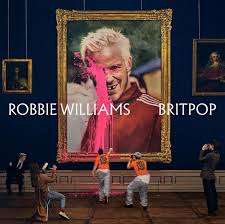
Rocket (feat. Tony Iommi):
This punchy, guitar-driven opener is the leading single featuring ex-Black Sabbath lead guitarist Tony Iommi. The track reminds me of Joan Jett and the Blackhearts tracks. It’s raw, full of rock attitude, and has anthemic energy. Tony’s solo is the standout moment.
Spies:
The song has a jangly guitar and is mid-tempo Britpop with nostalgic chords.
Pretty Face:
Didn’t like it. Too poppy for me.
Bite Your Tongue:
An alternative rock track with spoken word. It may feel odd, but it is playful, adding something different to the album.
Cocky:
Stomping glam-rock energy that’s fun with plenty of swagger.
All My Life:
An Oasis-inspired reflective ballad discussing dreams. Providing one of the more emotional moments on the record.
Human (feat. Jesse & Joy):
Another reflective ballad.
Morrissey:
Co-written with Take That’s Gary Barlow, this tongue-in-cheek track is about Morrissey’s legacy. It’ll certainly divide opinion. The lyrics also might suggest he’s playing the role of someone in love with the former Smiths frontman.
You:
Same attributes as ‘Bite Your Tongue’.
It’s OK Until the Drugs Stop Working:
I loved this track, and it certainly provided something different. This reflective, self-aware addressing of his past is Divine Comedy-esque.
Pocket Rocket:
An ethereal and dreamy closer of the standard edition.
G.E.M.B:
I included this track from the deluxe edition because it is my favourite. Robbie’s bold, tongue-in-cheek energy is captured perfectly over sublime indie rock, with his cocksure lyricism. It’s fun, bold, and catchy.
Coda:
“Britpop” is not about reinventing the wheel. It’s Robbie showing off to a sound he loved during the 90s, and that influenced him. The record is catchy, energetic, and fun, with songs that’ll become anthems. The lyricism may divide opinion, but this is one of his best albums to date. The title does what it says on the tin.
Song recommendations: ‘G.E.M.B.’, ‘It’s OK Until the Drugs Stop Working’, ‘Cocky’
Before their stroke of fortune of being bumped up to Glastonbury headliners in 1995, and of course, the success of ‘Common People, Pulp had been plying their trade for over a decade with little success. However, their rise from playing pokey venues in Sheffield to performing in stadiums, and of course, being on the iconic 1996 Knebworth Oasis gigs, shows that with a little patience, you can get to where you want to be. The band finally found their home in the 90s, thanks largely to their counterparts Oasis making indie rock cool again. Jarvis was seen as an elder statesman of the scene despite still being relatively young in his early 30s. The band emerged from post-punk in the 1970s and began with a teenage Jarvis Cocker inspired by David Bowie, and Roxy Music formed the band in 1978 using the original name Arabicus Pulp. The band flirted with various sounds and had frequent lineup changes while trying to search for their identity that began to take shape in the late 80s.
Before the hedonistic days of the 90s, the band, despite their indie status, had a strong connection with their fanbase, which remained small but loyal. They released several singles and albums that explored themes such as adolescence, boredom, and sex, all tinged with melancholy. Interestingly, tracks like ‘Babies’, now a regular feature in their setlists, were born during this period, showcasing frontman Jarvis Cocker’s storytelling talent, lyrical prowess, and knack for crafting a hit that vividly depicts life in Sheffield and his time at St Martin’s College in London, where the iconic ‘Common People’ story began.
Then came the breakthrough years in the 1990s. Jarvis had changed the lineup during the mid-80s and brought guitarist Russell Senior, keyboardist Candida Doyle, drummer Nick Banks, and the late bassist Steve Mackey. Pulp finally found their wall of sound that would bear fruit in the following decade. That sound would include glam rock, art-pop, and lyrical storytelling, all delivered with charisma by frontman Jarvis Cocker, the band’s founder in 1978.
The band’s 1992 single, ‘O.U.’, marked the beginning of their success and appealed to a broader audience. This success paved the way for their 1994 album “His n Hers”, a collection of songs that featured relatable storytelling. Popular songs such as ‘Do You Remember the First Time?’ let the audience feel a personal connection to the band’s music. This is where frontman Jarvis, a witty storyteller, arrived, further enhancing the emotional connection between the band and their fans. “Different Class” followed a year later, and this is when things really took off for the band. ‘Common People’, which had a dig at the class divide, was fast becoming a frequently played song and evolving into an anthem for the band. ‘Disco 2000’ and the controversial ’Sorted for E’s & Wizz’ showed Jarvis’ witty and comedic storytelling over unforgettable melodies. The album would beat Oasis, among others, for the Mercury Prize in September 1996. It is also worth noting that their fan club president, Mark Webber, joined them as a guitarist/keyboardist in 1995 when they commenced recording the now legendary record.
Guitarist Richard Hawley became a touring member in the late 90s and early 2000s. The band appealed more to the misfits and quiet ones compared to the brashness and laddishness of the Oasis fanbase.
If you are new to Pulp, I would start with the iconic “Different Class”, but after, give “His n Hers” a listen to experience Jarvis’s lyricism with the band’s raw energy. You will realise why Pulp, even during their hibernation, has always been relevant in music conversations. Jarvis’ lyricism is like the poetry of everyday life accompanied by instrumentation. It also shows why they are still adored internationally—enough of the introduction. Yes, I could have mentioned the indie rock departure of “This is Hardcore”, but I was in danger of boring you. So, let us move on to the long-awaited record.
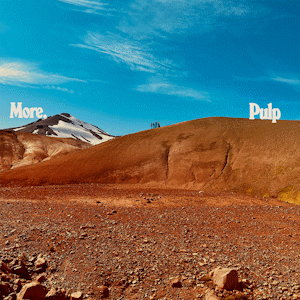
Pulp has finally completed its eighth album after a gap of twenty-four years between 2001’s “We Love Life” and now. It is also, sadly, the first record without their bassist, Steve Mackey. Although “More” addresses middle age daily life, compared to their iconic 1995 album “Different Class”, Pulp has not lost the magic that made them so popular in the 1990s.
From wanting to be noticed in their heyday, this album is more based on nostalgia than in the future. There are two tracks where enigmatic characters appear in ’Tina’ and ‘Grown Ups’ who seem to be individuals from Jarvis’ past.
Do not be fooled by the notion you are just listening to songs because with Pulp, it is more than merely instrumentation with nonsensical lyricism. The songs have always been poetic lyricism, and this record is no different. The tracks all formulate a meaningful story; sometimes, Jarvis delivers these in spoken word. Be it through the interludes or breakdowns during the tracks. Pulp is not aiming for chart success with “More” but is looking to structure the songs however they see fit while keeping the listener interested with the storytelling over various genres. This is not your typical pop-friendly album.
Despite not aiming for chart success, the band maintains a unique and unmistakable identity firmly embedded in their record. Each element contributes to the band’s distinct style, from Nick Banks’ driving drums to Mark Webber and Candida Doyle’s elan and Jarvis Cocker’s exemplary storytelling and witty lyricism. The band’s dynamic combination of these factors, however, is what truly excites and engages the audience.
The album explores several phases of human emotion. ‘Got to Have Love’ is what I would describe as a Smiths/Oasis/Killers song laced with melancholy over uplifting instrumentation. In this case, it is more indie-disco, like a fair few of their hits were in those heady days. ‘Farmers Market’ swings the mood with a romantic story encased by a piano and violins to bring it to life.
’Spike Island’ opens the record with a short, amusing story, setting a feel-good tone. ‘Hymn of the North’, the penultimate track, is a heartfelt tribute to their beloved Sheffield. The closer ‘A Sunset’ wraps up the album on a note of tranquillity, leaving you calm. Unfortunately, I haven’t had the chance to listen to the bonus track ‘Open Strings’ to see how it might alter the album’s ending. The verses in ‘A Sunset’ resemble the late Johnny Cash’s rendition of ‘Hurt’. Whether this was a deliberate homage from Jarvis or a happy coincidence, I can’t say.
“More”, for me, has something for everyone. It is not based in one genre. The lyricism and storytelling are outstanding, and I am excited about what comes next because it was worth the twenty-four-year wait. Despite the tragic loss of Steve Mackey, the band has not lost their touch, aided by their old friend Richard Hawley. Pulp is in rude health, and the impending tour will be fantastic. The magic is still there; they deserved to be at the top of the chart. Form is temporary, but class never fades.
Song recommendations: ‘Farmers Market’, ‘Hymn of the North’. ‘Got to Have Love’
Yes, I don’t care that I am using the full title, and if that offends you, I couldn’t care less. Get used to it. I am fed up with all the fucking bullshit in society that offends people. So, I have been a regular listener (I even watch their shows via YouTube or television. Haven’t been to see them yet.) since 1995. They came up in a conversation while I was in America, and I remember hearing them and feeling blown away by their energy. Later, I would discover bands like the Sex Pistols and draw on the two comparisons. Indeed, Green Day frontman Billie Joe Armstrong said they inspired the band. So, Green Day started as Sweet Children in 1987 when they all met at school. (I believe Bassist Mike Dirnt was living with Billie Joe’s family or vice versa. I recently saw a documentary on the band and forgot the order.) Why Sweet Children? Well, a band in the East Bay of California was already called Sweet Baby.
The band then changed their name to Green Day after their affection for cannabis. The band would start to gain traction after performing numerous gigs at the DIY 924 Gillman Street club, known as the Gillman. After being spotted by Larry Livermore of Lookout! Records, they would sign with the independent label until 1993. When they joined Reprise Records in 1994, they faced some backlash from the regulars at the Gillman for ‘selling out’, but “Dookie” would go on to be their major breakthrough after scoring number one in three countries. Even in America, it only just failed to reach the summit. The band would get even more popular from there with a slight dip in “Nimrod”.
In the early 2000s, they had to change direction, so they entered the political arena with catchy three-chord songs like “Basket Base”, “When I Come Around”, et cetera and their lyrics laced with sarcasm. Not literally, but their songs attacked the presidential reign of George Bush Jr and his government. Now, we were seeing Green Day going full-on Sex Pistols. Turning from just Punk musicians to activists and “American Idiot”, the album was very politically-charged. After Bush’s two terms had finished, the first black president Barack Obama was elected, and everyone felt hopeful about the future. Indeed even the band’s lyrics and songs were more about hope and losing anger. Was it because the band members were getting towards middle age? Who knows. After Obama served his two terms, Green Day was not happy about the appointment of Entrepreneur Donald Trump, and many fans expected an album more prominent than all had gone before after 2016. Still, despite their opposition to the current president, it didn’t come.
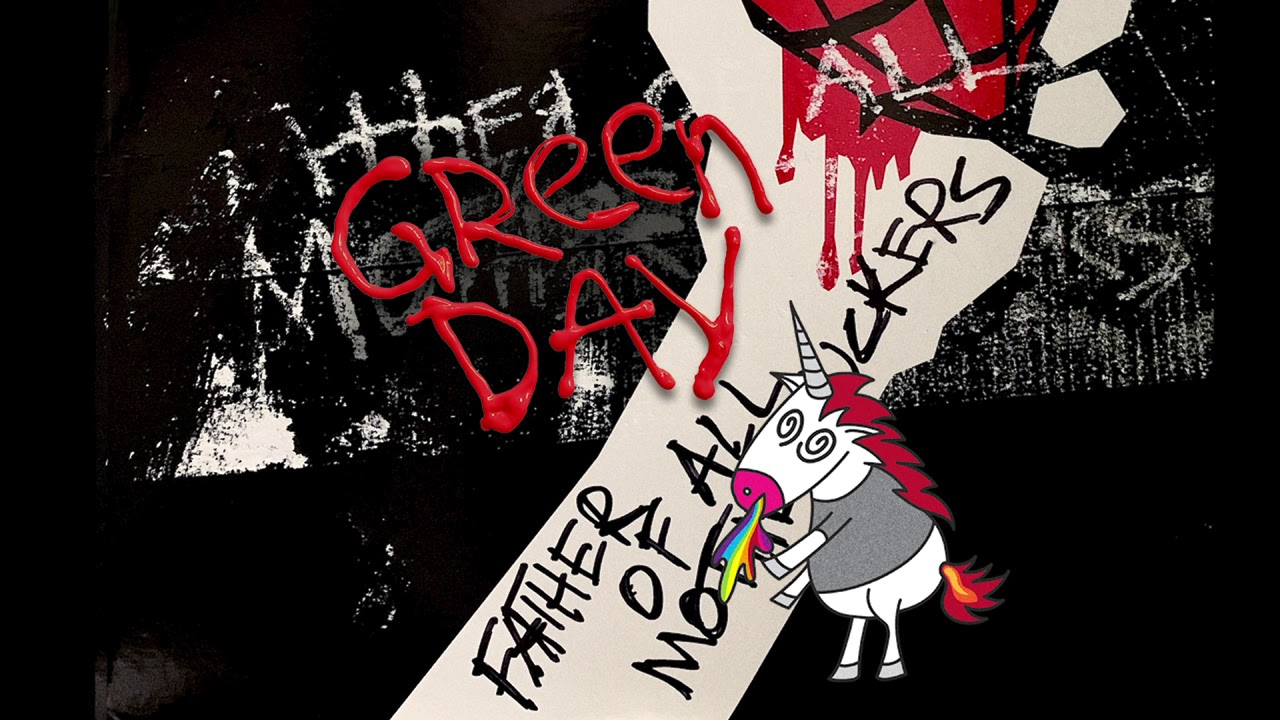
Unfortunately, the title suggests that this is the moment that this is the record that does it. On the contrary, I didn’t notice much politics in this at all. I found it more upbeat, Kind of like “Who Built the Moon?” by Noel Gallagher’s High Flying Birds. It’s nothing like it sonically, but the music is upbeat. I was expecting a political album from Green Day, but they may feel we need more uplifting things to listen to during the current climate. The biggest shock for me on their thirteenth studio record was the length of it. Even with the bonus track featured on the Japanese version, it barely touches thirty minutes. On the version everywhere else, it is only twenty-six minutes and sixteen seconds. Their shortest record since “39/Smooth”, their debut back in 1990. Billie Joe said during an interview that he didn’t feel creative enough when writing songs involving politics. Instead, we have more of a jam session album, and Billie Joe felt nostalgic by drawing inspiration from his record collection. It is an album that is more focused on instrumental than lyrical content.
More bad news for avid fans is that the band have got very experimental on these ten/eleven tracks. Of course, for someone like me who enjoys it when artists/bands dabble with different sounds and genres, this record is very intriguing, and I appreciate this concept adopted by the band. Indeed, Billie Joe has said this record is more Soul, Motown, Glam rock and traditional Pop punk. However, there is modern garage rock with tracks like “Meet Me on the Roof” and the Weezer-inspired “I Was a Teenage Teenager”. The delivery by Billie Joe is very different, too and goes in line with the record; instead of his usual aggressive vocals, he sings with a comedic falsetto.
Well, if you were expecting a record that attacks the current world leaders, this album is not it. I’m sure Green Day will no doubt release one sometime in the future, but for now, they have decided to go with something more uplifting and make you forget entirely about all the bullshit going on for half an hour at least. This record is more like one big party and reminds us all to have fun now and again. As I said, they have gone with Noel Gallagher’s High Flying Birds approach. Let’s face it; it isn’t wrong to throw up the middle finger to the world and feel at one through the power of music. Now, I was torn as to what mark to give this record. On the one hand, you have an enjoyable and uplifting record, but on the other, you have a very un-Green Day record.
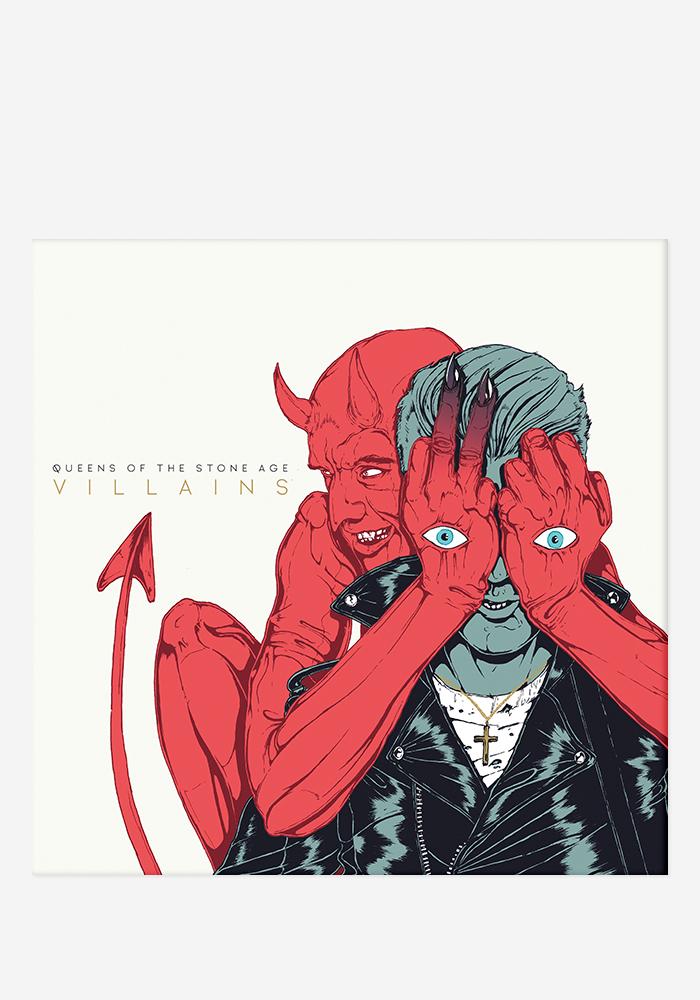
Well, We all know from his time with Polly Jean Harvey co-fronting Desert Sessions that guitarist and frontman Josh Homme likes to dress snappily and sport a quiffed hairstyle ( He dressed similarly while being part of Iggy Pop’s band in recent years.) as well as adding a dance element to his sound, and that is what the seventh instalment by Queens of the Stone Age offers in abundance. A far cry, you might say, from songs like “No One Knows” and “the Lost Art of Keeping a Secret”.
You might recall that the band’s last record titled “Like Clockwork” included collaborations with several well-respected musicians, for example, Alex Turner from Arctic Monkeys (Josh coincidentally produced “AM” for Arctic Monkeys.), but this time there are no collaborations, but there is on the production of the record in the shape of Mark Ronson.
Mark, as you may well know, has produced for the likes of Amy Winehouse and Bruno Mars (Actually, the list of artists he has produced for is fucking monumental. I would be here for ages writing it out.) and was singled out by Josh for “Villains” after he heard “Uptown Funk”, and Josh decided that was the kind of sound he wanted on the record.
I know what you’re thinking. Surely the hardcore fans of Queens of the Stone Age will recoil in horror at the fact that Mark, known for his catchy radio-friendly pop songs, is the producer of their latest record and will saturate their sound.
Well, not really. Although Mark is on production, this is still the same rock band with attitude that caused a sandstorm as they made their way out of Palm Desert, California, in 1998 after renaming themselves as Queens of the Stone Age (Previously Gamma Ray.) with their self-titled debut album a mere two years after their formation. “Feet Don’t Fail Me” is proof of this. The track starts off with a moody sound for almost two minutes before bursting into vivid life. The moody intros also continue on tracks like “The Way You Used to Do” and “Head Like a Haunted House”, with the latter resembling glam-rock out of the 1970s that It sounds very much like something T-Rex would have done if they were still around today. There are also serene moments on the record, notably with “Hideaway” and “Fortress”, which you might say could be known as stoner rock, but don’t let that fool you. This is still a Queens of the Stone Age record that will make you move your feet and hips on the dance floor.
In a way, this record offers hope and defiance and celebrates all the great moments in life. Especially as you consider that Josh wrote this record after another band he is in called Eagles of Death Metal, was involved in a horrendous terror attack at Le Bataclan, Paris, France, back in 2015, just over a week after appearing on the newly resurrected 90s TV classic chat and music show, Thank Four It’s Friday (TFI Friday) in London, England (Josh was not present on tour at the time, I think due to feeling unwell.). He doesn’t directly address the terrible event on the record, but it does have a “Fuck the terrorists. We are going to live in the moment and have a fucking good time instead of hiding away and living in fear” feel to it.
Josh has always maintained that he doesn’t like to get political, and the music is to escape from the real world, which is often dark. This record is the definition of that, and we are all here for a fucking good time, and we will embrace it no matter what. For that, I doff my cap to them for talking about the celebration of life. I know it could be seen as artificial, but now and again, we need records that will lift our spirits in such bleak times.
 Honest Opinions