Week 17: Fontaines D.C.- Skinty Fia

As you might recall, I wrote a review of their second album, “A Hero’s Death”, by accident. As you know, I write a review for the number one album each week or whenever a new one is on the top spot. Well, this particular week back in 2020, the Irish band were on course for the top spot, but the previous number one held them off. However, I wrote a review on “A Hero’s Death” because it was more or less certain on the back of this information. I listened to the record, wrote my review a day later, and uploaded it the following day. It’s nice to know I will not need to do a bit of background to introduce you to the lads from Dublin. I will, though, do something I have yet to do so far.

As you know, I have done track-by-track reviews, summary track-by-track reviews, and plain old, elongated reviews. I will do essential track reviews on the tracks I enjoyed this time. The album consists of ten tracks. I will write a review, long or short, on the highlights of “Skinty Fia”:

In ár gCroíthe go deo: 

This track opens the album and translates as “In Our Hearts Forever”. It’s nice to see some Gaeilge used by a band, particularly from Ireland. It has been a while since I’ve seen Gaeilge used by Irish bands, unless it is Clannad or the like. This song is steeped in Irish history—the song protests against the English who invaded Ireland 800 or more years ago. The band’s instrumentalists provide backing vocals, repeating the track title repeatedly as Grian enters over a glum and sinister bassline. The song is based on the event of Maggie Keane, who wanted a Celtic cross with the track name inscribed on the headstone. However, the occupying British Army brought the Church of England over, which denied Maggie’s request. Their reason is that the message was written in the native language, which would lead to political connotations. Despite this, the Irish courts ruled in favour of Maggie’s family. The band felt the song epitomises how the natives still need to fight for their identity. From the outset, the band have decided to go political. If that makes some of you uncomfortable because they want to talk about the occupation of Ireland, then stop reading this review and give the album a miss. 


Big Shot:


As you may well know, the Dubliners have moved across the sea to London, and this song reflects that. Whereas Dublin still has opportunities to expand, the band’s move to London has opened up more avenues than were on offer back in their native Dublin. The band can pursue their dream of being the best by moving across the sea. For example, look at some of these lyrics: “I travelled to Space”, found the moon too small, and home is a pin, rusting through a map, I go there to pray, do my resting at mass”. What Grian is saying, from what I can decipher, is that they have travelled around Ireland, but it isn’t enough to achieve their dream. Despite being a big city, Dublin is nothing compared to the other cities they have played in worldwide. They only return to Dublin when there is a break during touring (Or the tour has ended.) and attend mass. The last line, I believe to be they only have time to reflect and relax away from music when they go to mass (I am also Catholic like the lads, and you feel far from relaxed at mass. It feels like you are in the dock listening to a judge telling you how guilty you are.)


Jackie Down the Line: 


Another political track. I will explain why briefly, but this song is the opposite of ‘Big Shot’. The band talks about why they are proud to be from Dublin (In the title sense, at least.). The song has an Indie 90s feel to it. “Jackie” is a variation of “Jackeen”. This is a derogatory term used by people outwith of Dublin. A Jackeen is someone who has become an “Irish Brit”. They have embraced the British culture and have become flag-wavers of the Union Jack. I first heard this track on the Late Late Show with Jimmy Fallon. It featured a steady drumbeat, acoustic guitar, and a reverb effect on Conor Curley’s electric guitar—a method used by his counterpart Edge from U2. The song talks about a woman named Sally, a toxic male killed. I haven’t looked into the case, but it highlights that there is still this problem of men attacking women in Ireland. Indeed, Grian’s vocals are melancholic. You can hear his soul slide away during the verses as he foretells the fable.


I Love You: 


So far, I haven’t heard anything like the punk-infused songs I had heard on their previous albums, and this track was no different. This time, the band took influences from Joy Division, New Order, and the Cure. It reminded me of a darker version of ‘Blue Monday’. Why? It wasn’t quite a dance track but had that Peter Hook bassline. I am sure I have seen Deego sporting a t-shirt of all the bands before now. So, it is no surprise he has added Peter Hook and Simon Gallup basslines. The subject revolves around the Irish youth, how they are shackled by capitalism and religion, how the lockdown has affected their well-being and the sinking feeling of what the future holds. At the same time, while trapped in this current situation. Grian’s delivery is spot-on for the subject. He delivers the vocals with ferocious anger as he addresses the issues and describes how he felt growing up in that situation.


Bloomsday: 


It leads off from ‘I Love You’ because it, too, is dark. This time, however, it goes even more profound and sinister. Again, over this gloomy instrumentation, Grian’s delivery is perfect. His lyrics sound like a man talking with a soft and melancholic tone. Again, Grian highlights the lack of hope for the youth in Ireland, particularly in his native Dublin.


Skinty Fia:


 As you can tell by the name, this is the title track. Does it move away from the previous two songs about Dublin? The answer is no. The song can be described as darkwave over a low bassline as Grian talks about Dublin’s shortcomings.


Roman Holiday: 


Unlike, let’s call it the Doomed Dublin trilogy, this song is more upbeat and has a message of hope. Once again, the guitar effect Edge uses is utilised by Curley over a stark bassline and fragmented percussion. The song is quite apt with the current war in Eastern Europe. It is about a couple moving to Dublin who can be welcomed and make it their home, which Ukrainian refugees have been doing in Dublin and all over Europe. Even though you are not from Ireland, you can still embrace it and have an Irish heart. I first heard this at Alexandra Palace on the current tour.


the Couple Across the Way: 


In one of the quieter moments on the record, Grian sings alone, accompanied by an accordion and piano. Grian tells the story of looking out of his window and narrating a typical day in the life of his neighbours adjacent. He has never spoken to them to find out their names or interests. He observes them argue, make up, and repeat the cycle daily. He opts to assume the role of one half of the couple as the song nears the end and the story becomes more straightforward.


Nabokov: 

The album closer has a Verve air about it. Like the Verve, the track is melancholic, but Fontaines DC adds a fast tempo, whereas the Verve would opt for a plodding one. For those of you who are learned readers, you would have probably detected the song title is by a novelist, and just like in one of Nabokov’s books, the character in the track depicts that of Lolita—a lady who no longer feels optimistic and is fed up with being downtrodden. The only way out of the situation to end the pain is to take her own life. That sentiment is expressed in the lyrics “I did you a favour, I bled myself dry, ” as Grian delivers it, seemingly depicting the character screaming angrily. Some might say it is a dark and sinister way to close out, but the band have never been one to abide by the laws. They have always gone against the grain and diced with danger, which has worked since they started playing. Unlike “Dogrel” and “A Hero’s Death”, “Skinty Fia” has been sobering to listen to, and the subjects on offer invoke all the emotions we feel. The record also goes deep into our imaginations.


Song recommendations: ‘Jackie Down the Line’, ‘the Couple Across the Way’, ‘Roman Holiday’


9/10

Week 6: Bastille- Give Me the Future

This is a band I heard initially without even knowing who they were. I only knew once I saw them appear on Later…withJools Holland back in 2013 (I think.). Before then, I didn’t know much about them, and the songs I had heard without knowing who they were neither excited nor annoyed me. I remember Noel Gallagher said, “If Bastille had been around in the 90s, they would have been finished.”…now, I like Noel Gallagher, as regular readers know, but although it probably would have been true with the music around back then, I quite like Bastille. My opinion of Dan Smith and company changed after seeing them at Glastonbury, reading about them, and watching a few concerts on YouTube. Dan knows how to work with the audience, and they put on a great show. ‘Pompeii’ used to drive me around the bend, but that grew on me. I am often caught whistling or singing the chorus when I hear it.

“Give Me the Future” is their latest and fourth album, which has already amassed five singles. That is just below half of the record itself. Once again, Bastille plays it safe (Sort of.)with their usual songs, but there are some elements of new creativity. For example, the opening track ‘Distorted Light Beam’ takes some influences from the defunct French Houseoutfit Daft Punk, which is quite apt due to the band’s name. 

According to reports, Dan Smith began embarking on this album before the pandemic started and flirted with the idea of combining Bastille’s sound with elements of futuristic sounds. At the same time, you could argue that it takes something from the 80s. However, due to what has happened since 2020 or late 2019, Dan’s idea of this record has seen fact and fiction become convoluted, to say the least. Everything we believed to be fiction through music might be a reality now. At the moment, no one within any industry knows what is inevitable. We have seen the world shut down during these testing times despite it still spinning. Immense industries have seen companies and businesses suffer or fall, and music artists like Bastille suffered heavily because they could no longer go on tour worldwide. Some music artists signed just before the pandemic or after suffered even more. So, at the moment, it is no surprise a fair chunk of people look at the future with caution in mind. In “Give Me the Future”, Bastille takes all of that away and looks to embrace whatever happens in the future.

As usual, the band set the stall out with their dancefloor fillers to give the listener a chance to escape from what was happening and lose themselves as they mentally picture themselves enjoying life in the club again. We are gradually getting back tothose days and nights, but listening to music that propels us back to those feelings is excellent. Bastille have always beenknown for their hard-hitting subjects shrouded in upbeat instrumentation, and they have done just that yet again. The lyrics are pretty dark, but the instrumentation diverts your attention. For example, in the Daft Punk-Esque opener ‘Distorted Light Beam,’ Dan says, ‘It isn’t enough, if this is real life, I’ll stick to dreaming, come see what I see.’ That is powerful. No one can deny that that lyric reverberates the current feelings the majority of us have. I’d rather escape from the trappings of reality and stay in a dream just for my sanity. My standout has to be ‘Promises’, which is Spoken Word performed by Riz Ahmed over strings and other instrumentation. Why ‘Promises’? I am a spoken word artist, so for that reason alone. I love to hear what poets have to say. Of course, I like other tracks on the album, like ‘No Bad Days’, the title track, and ‘Future Holds’. The latter features Bim, who you will be familiar with if you attend Bastille concerts. Her rich vocals complement Dan’s on the uplifting closer with a message of hope about who cares about the future as long as we all have someone to love and care for us.


The album is also structured cleverly. The listener goes on an adventure where they will be lost but find themselves again. Now, this could be explained by Dan’s love of cinema. He wants the songs to be a cinematic experience rather than music-related. I only know a few bands or artists that use the method. Most tell a story, but not in this manner. I can only think of Clannad or London Grammar in recent times. “Give Me the Future” wasn’t made to pick out tracks and listen randomly, but to listen from start to finish due to the cinematic nature. 


Yes, you can listen to any tracks you like. I mean, that’s your choice, but it takes away the premise of the record. Is it their best? Well, it’s up there. Although, it is bloody short for a Long Play. The longest is the title track at 3:39. One thing I will say is, going back to “is it their best?” is that it is incredibly creative, and they have moved with that but have still kept that distinct sound we associate with the band. So, they have yet to complete 360 and lose their identity.


It’s pleasant to listen to an album that gives you hope about the future rather than being bogged down and depressed by the shit we are surrounded by. The record is uplifting and sends you off into a dream. 

The attitude adopted by Bastille is one of “Fuck it. Let’s have fun while the world is falling apart”.


Song recommendations: ‘Promises’, ‘Give Me the Future’, ‘Distorted Light Beam’


8/10

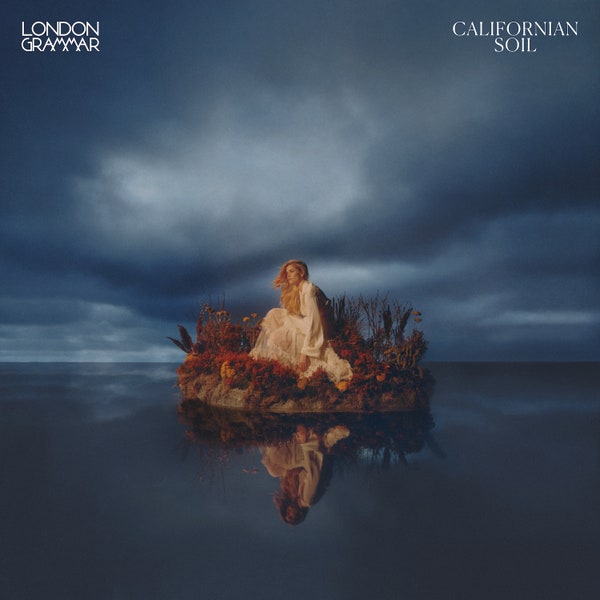
Week 17: London Grammar- Californian Soil

As you can imagine, Hannah Reid is once again a critical group member, and I especially liked her vocal performance on ‘Intro’. Many told me before I got the chance to listen and review this album that it had a hint of Clannad about it. Considering Hannah’s Celtic roots, this didn’t surprise me, but I’m afraid I have to disagree with most of their assumptions about this record sounding like Clannad. Yes, ‘Intro’ does sound like a Clannad track used for a soundtrack or otherwise, but I didn’t see much else resembling Clannad’s inspiration. Another three to four songs, but that’s about it. 

It differs from the last album from 2017 because it flirts with experimentation more, adding more orchestral, Celtic, and cinematic sounds. There is a touch of ambience in the album, too. Now, remember I spoke about ‘Intro’ sounding like Clannad earlier? Here’s why. Although Hannah doesn’t sing, she still uses angelic vocalising with her voice while chiming bells, strings, vinyl crackles, and a haunting Celtic ambience dances with her vocalising. Its cinematic feel is glorious to listen to in surround sound and sends chills down your spine with its haunting. It would be ideal for a film based on Celtic folklore. Clannad may have heard this track and might be interested in working with Hannah.

Hannah’s vocals do not deviate much during the entire album. The record then goes from ‘Intro’ to the ‘Californian Soil’ title track. Many have drawn comparisons with Massive Attack on this. 

Still, as always going against the grain, I found some other artists I felt drew more comparison in Alanis Morrisette. Why? Because to me, the riff sounded more like her 90s hit ‘You Oughta Know’ not because of the aggressive vocals or subject matter, but just that. 

After that, a record is packed with Hannah’s trademark vocals, sometimes angelic vocals, synths that are so relaxing you fall into a trance, strings, Clannad-inspired melodies, and sometimes the guitar riff makes an appearance. 

Because of the calming and light instrumentation, you could also draw comparisons to My Morning Jacket. Like the American band, London Grammar has allowed you to sit back, stare at the ceiling, or close your eyes and dream of entering another realm.

Of course, aside from their generic sound, ‘All My Love’ is a cinematic ballad, and ‘Closer America’ is more melancholic than what they usually do. The latter is about chasing the American dream and crushing it with brutal honesty. 

However, I will close on the trackside of the review with ‘Missing’. When I heard this, I instantly thought of Zero 7’s ‘Destiny’ with its downtempo, which felt precisely like the 2001 track. Still, Hannah’s vocals mirrored Sophie Barker’s and Sia Furler’s (Yes, THAT Sia Furler. She came over to England in 1998 from Australia. In fact, it is worth listening to some of her earlier work like ‘Little Men’ and ‘Drink to Get Drunk’). Not only have you got a sense of Sophie and Sia in it, but I am going to say the great Sadé, too.

The lyrical content is centred mainly around Hannah’s fight with feminism and the sexism and misogyny she has encountered many times since joining the industry. It gives more energy and passion to the record because it lets her emotions shine through with conviction. 

The record is quite melancholic for the group, more mature than the previous records, with some tracks fit for a film soundtrack, inspired by Hannah’s Celtic roots and subject matters that need urgent addressing, like the sexism towards women that is still experienced by many within the industry to the present day. As for the Clannad connection? It was less heavily influenced than some people have made out. Like I said, three to four tracks at the maximum.

Song recommendations: ‘Intro’, ‘Californian Soil’, ‘Missing’

7/10