THIS is long overdue. Thirty years, in fact. It was challenging to reach the summit in the 90s because Oasis and Blur dominated both singles and album charts. Journalists used to sneer at Shed Seven and wanted them out of the picture entirely. They gave the band no love for reasons I cannot fathom. I have enjoyed the band since I first saw them perform on TFI Friday in the mid-90s on the first series of the chat/music show (I am relatively sure it was the third episode, and they performed ‘She Left Me on Friday’). The British and Irish music scene was teeming with Indie bands then.
Among others and the usual suspects, Shed Seven stood out as a band with attitude and swagger. Frontman Rick Witter oozed with confidence that cold Friday night in London. I have had the pleasure of conversing with Rick now and again, and not only does the band deserve this long-overdue accolade, but so does Rick. Just for being the down-to-earth artist that he is. “A Matter of Time” may have only been released last week, but two singles ‘Kissing California’ and ‘F: K: H’ were released late summer to tease it. Plus, the tour commenced in the autumn. This is the band’s sixth studio, and I am surprised they haven’t had a No.1 album before now. They have had a string of hits that have become anthems. Maybe it is this whole nostalgia flex that people are still on? I don’t know. The record features the likes of Rowetta, who is known for performing with the Happy Mondays, Laura McClure neé Manuel of Reverend and the Makers (She is the wife of frontman Jon.), and of course, the superb Pete Doherty (The Libertines, and Babyshambles.). Anyway, I think the only service I can give this historical moment is a track-by-track review:
Let’s Go:
BANG! The band is straight into it, like the band who owned that stage on TFI Friday in the mid-90s. No time has been wasted with the attitude and swagger. The sound is explosive, and it is quite fitting that the track is short. To contrast, the explosive rock, is a choir as the song passes the halfway point. Just from the explosive beginning, you can tell you will enjoy the ride, and it reminds me of how a gig begins.
Kissing California:
The first teaser single, released in July, has a summer vibe. It certainly is a considerable drop in tempo, as the band take it easy over drums, percussion, vocal harmonies, and an earworm hook where the band chants ‘California’. You can see why it was released as one of the singles.
Talk of the Town:
Acoustic in the verses that leads into a distorted guitar in the chorus. Again, another earworm hook with the band repeatedly saying ‘Talk of the Town’. It’s elementary, but that is enough to get into your head. The lead guitar shines on this track. Another highlight is the middle eight section that builds before the final chorus.
Let’s Go Dancing:
This track drops the tempo again with reflective vocals over a piano accompanied by strings. My favourite part is neither this nor the vocal harmonies in the chorus, but the duelling guitars performing the solo. I love that. They tend to be used more in metal music. This track also has a touch of nostalgia about it.
In Ecstasy:
You are probably wondering, “Where are the features you mentioned earlier?” Well, here is the first one. It’s Rowetta accompanying Rick’s vocals. Imagine that? It is unbelievable—so much power. However, during the chorus, Rick lets Rowetta take the lead; as you can imagine, she does not disappoint. As well as the vocals, the stage is set for bassist Tom Gladwin.
Tripping with You:
Another feature quickly follows this time with Laura McClure. Again, this romantic track brings the tempo down with a violin in the chorus. I feel sad that Laura’s vocals were far too laid back, so we do not see her shine as Rowetta did in the previous track.
Let’s Go (Again):
A quick interlude. Those who have read my past reviews will know my feelings on interludes. Rick sings about Argentina and Mexico over an acoustic with a full band.
Real Love:
The tempo picks up, again with a track that utilises synthesisers, which is a pleasant surprise. So far, we have heard the usual instruments the band uses. It adds originality to the album and shows the band are open to experimenting with the sound.
F: K: H :
The second teaser that came out in September features a gospel choir on the backing vocals over a steady tempo. You could argue that the band is trying out a bit of early ’90s Primal Scream here.
Starlings:
As you can imagine, the video for the track features the bird species the track is named after. This one is a balance of melancholic and uplifting. I imagine this one is quite personal to Rick because the vocals and the lyrical content are the epicentre of the track. The tempo is the same as the previous track.
Ring the Changes:
It is now the turn of the drums to take centre stage. A looping guitar riff accompanies the groovy beat and will do well at the festivals in the summer this year because it just feels ideal.
Throwaways:
The longest track on the record, with the final feature of Pete Doherty. Pete tends to act as harmony for most of the song, which is certainly noticeable, but he also takes over from Rick in one of the verses. The track has it all. Full band. Rick’s vocals. Pete’s harmony. Pete’s verse. Acoustic section, and the track just evolves in every section. It is easily one of the best on the album, and due to the length, the song has time to build. It wouldn’t have looked out of place during those heady days in the 90s of that whole Indie scene.
Song recommendations: ‘Let’s Go’, ‘In Ecstasy’, ‘Throwaways’
One thing you will notice about “-‘ is that Ed uses a lot of weather-based themes to foretell the latest trials and tribulations in his life. Although the lyrics and his delivery are pretty heart-wrenching, they are encased with rays of sunshine regarding the instrumentation. You may start to think it is a typical Ed acoustic, but the song builds as the choir comes in, making it more uplifting over Ed’s heartfelt vocals. Some of you may not like it and feel it is the same old thing because Ed is out with the acoustic again, but I say, listen to his frank story.
Salt Water:
Again, listen to the lyrics as he goes deeper with another life story. When you listen to the instrumentation, you understand how apt the title is. You have piano keys throughout, which represent the waves engulfing him, and the slow, steady drum beat, which means his struggle to stay afloat as the water tries to pull him under. There is then a bright moment with Female vocal harmonising coming in, which represents Ed’s soul letting go as it burns him inside from the pain he is experiencing. The bridge is where the tracks have ethereal tones, meaning Ed succumbs to the waves as he falls to the ocean bed. He has accepted drowning in his sorrows. The track then fades out, which represents Ed’s spirit giving up.
Eyes Closed:
For once, Ed starts a track on an uplifting melody. However, the song in question is another heartbreaker and a moment of reflection. This one is a tribute to SBTV’s Jamal Edwards, who tragically passed away early last year due to an overdose. Jamal was the guy who gave Ed his early but growing fan base when Ed performed from his London home over the Internet. It is undoubtedly how I initially heard of Ed after a friend, Joe, showed me some of the performance through his mobile phone in 2009. From there, I would keep my eyes peeled for Ed as I was left impressed. Those performances on SBTV gave him the platform he needed. So, the track has an uplifting melody, but it is also there to show that not everything appears as it seems and represents Ed’s sense of loss perfectly. Why? Because the upbeat melody represents Ed’s veil of happiness as he carries on after Jamal’s death when really behind the veil, he is struggling to come to terms with it. The behind-the-veil segment of the tracks is Ed’s lyrics, which reveal the true extent of his grief. Ed, with an acoustic baring his soul, is Ed at his best.
Life Goes on:
If you thought the previous track was heavy, put on your lifejacket because this one is gut-wrenching and pulls at your heartstrings—a deeply personal story. Cherry Seaborn, Ed’s childhood sweetheart and now his wife, is carrying their child when Ed taps into the emotion Cherry is experiencing when she hears the news. Ed belts out ‘it hit like a train’ to convey the feeling that Cherry has found out that their happiness is soured with news that she has been diagnosed with cancer. The track is Ed talking directly to you candidly about how he is worried about what may be on the horizon. Ed is begging his wife throughout to fight and beat the horrible illness as he cannot imagine life without her. Why is it called ‘Life Goes on”? Well, Ed is saying that, unfortunately, the world doesn’t stop when a tragedy occurs. If you don’t shed tears or feel anything as Ed pours his heart out about Cherry, then quite frankly, your body is just a vessel with nothing in it. Even though Cherry could not be operated on during her pregnancy with Jupiter, she has since had treatment and is recovering.
Dusty:
After the heaviness of the previous track, Ed switches up to hip-hop. The instrumentation is quite groovy, as most hip-hop is, and represents the light at the end of the tunnel for Ed, as do the lyrics, as they are more optimistic. Indeed Ed even says enthusiastically, ‘the future is so bright’. The bridge is out of synchronisation with the rest of the song as it sounds like something the likes of 5ive, 911, Boyzone, Westlife, et al would utilise in their songs back in the 90s. This track is like a continuation of ‘Salt Water’, although this time, it is Ed climbing off the ocean bed and swimming up while floating on the calmer seas as he gets above the water. Ed represents this with a high-frequency sound at the end of the track. The sound means his ears are unblocking as he returns to the surface.
End of Youth:
Oh dear, that calm ocean has turned rough again as Ed finds himself battling the waves that are dragging him under. To represent the sense of drowning and hopelessness, Ed utilises minor chords, which, if you have a good ear for music, are used in sad/reflective songs. To add to the gloomy mood, Ed throws in strings that match his vocals as he foretells how the grief drove him to attempt suicide. Another track that leaves his heart open.
Colourblind:
Staccato piano chords over loving lyrics to begin with Ed propelling back to 2013 when he was recording “X” and recording the controversial ‘Thinking Out Loud'( I am not going to go into the details about that. Just Google Marvin Gaye and Ed Sheeran for that story.), which this song draws inspiration from. The track is uplifting, and Ed’s happiness is heard through the vocals. When he was in the booth, he had a smile on his face when delivering the vocals on this one. Ed then tests his vocal range as he goes high and falsetto over a choir, adding that angelic and floating touch.
Curtains:
Ed showcases another segment of his vocal range: singing lower than ever. This track also breaks away from the usual acoustic and heads into the electric and rock arena as you can hear electric guitars, crashing cymbals, and thumping drums over Ed’s vocals. The chorus is even more frantic, representing that Ed is breaking free of his worries and rediscovering his zest for life. This whole track has a positive message for Ed and the listeners.
Borderline:
Once again, Ed sinks to the bottom of the sea as the depression takes hold. I call this the manic depression track because the instrumentation represents the manic cycle, and the lyrics describe the clinical cycle. When we get to the chorus, the song breaks free of the manic depression, and a bright sky breaks through. Very autobiographical.
Spark:
This is like swimming against the rough seas, represented by the bouncing beat before the drums match Ed’s soaring vocals to mean conquering the rough seas, which gradually get calmer. Ed is leaving his worries and his past behind and moving forwards.
Vega:
Another reflective moment as Ed returns to his beloved Martin in a song talking about the devastating news of his wife Cherry heard during the pregnancy and almost broke Ed entirely. He delivers his pain perfectly in the chorus—an emotional track. The track is very downtempo, but the lyrics contrast this with optimism that things will improve for Cherry and the family.
Sycamore:
This is a follow-up to ‘Vega’ with Ed and Cherry feeling relief that the nightmare is over and they can recover from the ordeal. Strings accompany an optimistic but wary Ed as he talks about being by Cherry’s side at the hospital. A clever track melodically because it shows the feeling of optimism and fear, which is what happens with an experience like that.
No Strings:
This is Ed letting go over stabbing piano chords as he expresses what Cherry means to him. After his wife’s recovery, Ed feels she has to know just how much he loves her, and that love is why they made it through.
Hills of Aberfeldy:
Remember when everyone mocked ‘Galway Girl’? I didn’t mind it, to be fair. I found it rather uplifting, but many thought it insulted Celtic music. He is back again with another Celtic song, but it will be warmly received this time. This is your typical traditional Celtic song. No fancy additions like on ‘Galway Girl’. The vocal delivery is that of an old Celtic singer with acoustic guitar joined by bagpipes and marching drums. Sonically, the track is calm, suggesting that Ed finds peace after a rough journey. Another ode to his wife, which looks to the future and ends the album with a message of hope and never fading love.
Song recommendations: ‘Salt Water’, ‘Hills of Aberfeldy’, ‘No Strings’
I must confess that I was fucking terrified of how to approach this review. I wondered if it would be a written paragraph review, track-by-track, or short track-by-track. I mean, U2 are the most fucking iconic band ever, and I wanted to do them justice with a review of this.
The band started in Dublin during the mid-70s when Larry Mullen Jr requested band members wanted on the school notice board. He would get five responses, which included Bono, the Edge, Edge’s brother, and Adam Clayton. Before the lads settled on U2, Larry thought he would be in charge of the band until it appeared 10 minutes into the formation that Paul Hewson, aka Bono, had other ideas. Dik Evans (Edge’s brother, who has gone on to have a successful music career) would be phased out a year after the formation of Feedback, then the Hype. Ivan McCormick lasted a mere two weeks before being dropped. He would go on to become a composer.
Since then, the rest of history. The band has several iconic albums packed with political issues, bombastic choruses, and stadium anthems. The band was very punky, to begin with, before working with Brain Eno, which proved highly challenging for the band, who fell out on several occasions with Brian during recording sessions. In a documentary, the band admitted that they hated those sessions because he wanted to bring his production watermark to the album. Bono would constantly push back. However, “the Joshua Tree”, which the band confessed, until they did the anniversary in 2017 and 2019, supported by the likes of Noel Gallagher’s High Flying Birds, they were not particularly fond of, but now have found some love for it. Many people are fond of “the Joshua Tree”, where the hits and stadium anthems started to roll in. There is no doubt that Brian’s second time working with the band changed their sound forever and made them more versatile from that moment on.
The band have been together for over four decades, and despite the squabbling during the recording sessions for “the Joshua Tree”, they haven’t got close to breaking up since. How did it get to this? Well, last year, Bono released a book called ‘Surrender’, an autobiography ranging from anecdotes about his time in U2 to meeting the Pope with bonus content in the audiobook. Bono would do acoustic versions of their iconic hits when he did a reading tour., which brought the “Songs of Surrender” to life.
From there, the band had this concept of doing stripped-back versions of all their hits (That’s a staggering 40.)over four discs titled after each member. The Album is over three hours of listening time in total. Anyway, I have opted for a brief track-by-track review, so here goes:
Disc 1: the Edge
One:
Piano ballad, a gentle cymbal at the end of the chorus, soft vocals throughout, and the last chorus builds up with ghostly backing vocals and marching drums on the outro.
Where the Streets Have No Name:
Cello intro, haunting synth verse, the piano joins on the chorus, synth rings out on outro.
Stories for Boys:
Piano intro leading into verse, backing vocals on the verse, piano break, vocals over piano riff on the chorus, short piano riff outro.
11 O Clock Tick-Tock:
Drums and acoustic intro, acoustic plucking and piano in verse 1, bass riff and Bono falsetto in chorus, harmonic vocal break, backing harmonies with piano in verse 2, acoustic solo joined by plucked acoustic, gentle electric guitar on outro
Out of Control:
Acoustic solo intro, pulsating acoustic on the verse, reverb vocals over rhythmic acoustic on chorus 1, backing vocals on chorus 2, rhythmic acoustic on the bridge, acoustic solo break, bass on chorus 3, acoustic rings out on outro.
Beautiful Day:
Piano ballad with pulsating acoustic with scratching and backing vocals, pulsating piano in chorus, harmonic vocals leading into verse 3, choral bridge, pulsating drums in chorus 2, and choral outro.
Bad:
Acoustic intro over tambourine leading into verse, piano and strings join on verse 2, marching drums with an acoustic riff on the chorus, marching drums build before the harmonic outro.
Every Breaking Wave:
Haunting piano riff intro is repeated in verses, with backing vocals on the bridge, light strings in chorus 1, reverb vocals in verse 2, synth joins in chorus 2, piano break, and piano riff outro with sustained high vocals.
Walk on (Ukraine):
Plucked acoustic intro, backing vocals and bass join verse 2 with plucked acoustic, rhythmic acoustic on chorus 1, piano on chorus 2 with a light cymbal crash, pulsating piano on outro with riff.
Pride (in the Name of Love):
Rhythmic acoustic with bass intro, backing vocals on the chorus, piano with an acoustic riff on break, electric guitar solo break with full band outro before fade out.
Disc 2: Larry
Who’s Gonna Ride Your Wild Horses:
Pulsating acoustic, cello and piano in verses, a rhythmic acoustic riff in the chorus, bass joins from verse 2, backing vocals from Edge in chorus 2, and synth rings out on the outro.
Get Out of Your Own Way:
Drums, acoustic and backing vocals on the intro, bass joins in the verse, harmonic backing vocals with an acoustic riff on the chorus, and instrumental outro.
Stuck in a Moment You Can’t Get Out of:
Acoustic intro leads into verse, backing vocals from Edge, bass joins on the chorus, bongos on verse 2, piano joins on the outro, and acoustic rings out.
Red Hill Mining Town:
Haunting synth and acoustic on intro leading into verse with drums, bass and Trombone Shorty, chorus 2 with harmonic backing vocals, sustained trombone on the outro.
Ordinary Love:
Acoustic riff intro leading into verse, synth, bass and backing vocals on the chorus, acoustic riff break between verses, acoustic rings out on outro.
Sometimes You Can’t Make it on Your Own:
Piano intro leading intro verse, falsetto backing vocals on bridge, electric guitar riff, marching drums, tubular bells on verse 4 and final chorus, piano and bass drum outro.
Invisible:
Acoustic riff, piano, bass and drums intro leading into verse, the song builds on the chorus with backing vocals leading into the instrumental break, full band outro before Bono and backing vocals acapella.
Dirty Day:
Cello intro leads into verse, Bono whispered vocals in verse, the electric guitar riff in chorus, the violin joins in verse 2, Bono’s vocals slightly louder in verse 3, backing vocals in chorus 3, sustained violin, Bono’s sustained vocals, and acoustic rings out on outro.
the Miracle (of Joey Ramone):
Acoustic lead and full band intro leading into verse, backing vocals on chorus, piano, acoustic and Bono harmonies on break, backing harmonies on verse 2, short acoustic break, harmonic vocals with an acoustic outro.
City of Blinding Lights:
Piano and bass intro, piano and Bono on verse 1, backing vocals on bridge, backing vocals and acoustic on chorus 1, electric guitar joins on chorus 2, haunting harmonic vocals break, piano rings out on outro.
Disc 3: Adam
Vertigo:
Violin and rhythmic acoustic intro, rhythmic acoustic verse, violin and acoustic on chorus and post-chorus, violin and acoustic break, cello outro.
I Still Haven’t Found What I’m Looking For:
Acoustic riff and tambourine intro lead into verse, Bono with mid-volume vocals, Edge backing vocals, and bass join on verse 2, electric guitar on break, piano and full drums join on verse 3, ghostly outro.
Electrical Storm:
Piano and electric guitar intro, piano in verse 1, rhythmic acoustic joins in verse 3, reverb vocals on the chorus, verse 4 same as verse 1, full band in verse 6, tambourine joins on the final chorus, light cymbal crash to end.
the Fly:
Bongos, full drums, bass and electric guitar on intro leading into verse, haunting backing vocals on the chorus, piano post-chorus, backbeat break before the verse, piano break, reverb falsetto vocals followed by an acoustic solo, then reverb vocal outro.
if God Will Send His Angels:
Piano intro, whispered vocals over the piano in verse, chorus with backing falsetto vocals before piano rings out, piano solo post-chorus, falsetto vocals to end verse 2, distant reverb vocals post-chorus 2, piano outro.
Desire:
Electric guitar intro, falsetto vocals, handclaps and keyboard reverb effect on the verse, fiddle solo on bridge, yoddling with backing vocals on bridge 2, keyboard reverb effect outro.
Until the End of the World:
Rhythmic acoustic intro, piano and acoustic on the verse, backing vocals on the chorus, acoustic break, acoustic solo after chorus 2, falsetto vocals on verse 3, light harmonic vocals with backing harmonic vocals outro.
Song for Someone:
Pulsating acoustic with piano intro leading into verse, backing vocals join on the bridge, piano solo with vocals on the chorus, piano solo with acoustic and bass, acoustic rings out on outro.
All I Want is You:
Panpipe effect with bass and drum intro leading into verse, acoustic lead on the chorus, rhythmic acoustic break with the full band, bongos and falsetto vocals on final chorus, bass and bongos outro.
Peace on Earth:
Acoustic intro, empty church ambience vocals, the choir joins acoustic on chorus, full band joins choir and acoustic on chorus 2.
Disc 4: Bono
With or Without You:
Acoustic bass and synth intro leading into verse, building post-chorus, vocals build on the bridge, full band on the final chorus, electric guitar solo with brief Bono harmonic vocal outro.
Stay(Faraway, So Close!):
Backing vocals over piano intro leading into verse, electric guitar and full band on verse 2, falsetto with falsetto backing vocals on chorus, piano and Bono vocals on verse 3, verse 4 as verse 2, brief instrumental break before the chorus, harmonic vocals with backing harmonic vocals break partially spoken word on outro with electric guitar ringing out.
Sunday Bloody Sunday:
Acoustic riff with harmonic vocals, rhythmic acoustic on the verse, Edge backing vocals on chorus with change in rhythm, acoustic break, bass joins on chorus 2, acoustic solo, three-string pluck outro.
Light of Home:
Acoustic riff with synth intro, backing vocals in verse, full band in the chorus, ghostly vocals in post-chorus, full band in verse 2, backing vocals on bridge, acoustic solo, sustained vocals before a change in tempo with backing vocals outro.
Cedarwood Road:
Rhythmic acoustic intro leading into verse, change of acoustic tempo with backing vocals on the chorus, reverb vocal effect on verse 2, change of rhythm with the full band on verse 3, reverb effect outro.
I Will Follow:
Acoustic riff with strings intro, piano and bass join on the verse, acoustic riff break, full band on verse 2, backing vocals on the chorus, brief acoustic solo, sudden stop to end.
Two Hearts Beat as One:
Piano, bass, beatboxing, funky intro. Pulsating drums with the full band on the verse, backing vocals on the bridge, funky break with electric guitar, and piano break before the outro.
Miracle Drug:
Drum intro leading into verse, the piano joins on the verse, backing vocals on the chorus, acoustic rings out, acoustic with Bono on verse 2, full band on verse 3, brief acoustic break before the bridge, brief silence before the final chorus, rhythmic drum outro.
the Little Things that Give You Away:
Acoustic and bass intro, keyboards join on the verse, full band on verse 2, acoustic break before verse 3, backing vocals with reverb on chorus 2, acoustic, keyboards and bass on verse 4, the song builds on the bridge before the brief acoustic solo break, acoustic rings out on outro.
40:
Haunting piano with electric guitar intro leading into verse, bass joins on the verse, backing vocals on the chorus, piano break.
Even if you are not a fan of U2, you will be after hearing this. Upon listening, you will soon realise every track has a unique originality to its original version. It is a monumental effort to reimagine songs; looking at what I’ve written, you might consider it tedious, but far from it.
Song recommendations: ‘Two Hearts Beat as One’, ‘Beautiful Day’, ‘Vertigo’
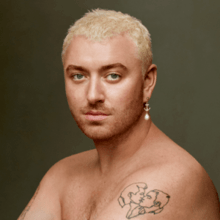
As everyone who reads my reviews knows, I reviewed Sam’s last two albums, which were less than complimentary. Straight up, brutally honest about how they sounded the same as his debut. He left his comfort zone twice on the last record, and every song sounded like the previous. However, this time, I am pleased to inform you he has left his comfort zone when tackling new genres. He has, on the main, stuck with his usual falsetto vocals.
Sam has also changed his perspective on life since becoming happy with who he is, which is evident in the album. Yes, once again, it is conscious, but there are uplifting lyrics this time. He also has a few collaborations on the album with Ed Sheeran and Koffee, among others.
The record starts with ‘Love Me More’ delving into Sam’s love for Gospel. The lyrics themselves are pretty dark. I will now go into why the album has shown Sam a bit more diverse sound this time. First, I already mentioned the opener ‘Love Me More’. He dives into RnB with ‘Perfect’ and then into the disco-infused ‘Perfect, where he discovers how he has learnt to accept himself as whole.
The one that did take me by surprise was ‘Unholy’. It has a Grime quality to it, and to be honest, the song’s theme fits the music. Sam foretells about a family man who indulges in unprotected sex.
There are plenty of more RnB tracks or his usual piano ballads. This isn’t the best for me, but the disco floor filler ‘I’m Not Here to Make Friends’ is a standout on the record, and you can go right when you get Calvin Harris to produce the track. The great Nile Rodgers would be proud of this one.
My favourite, however, is something I wasn’t expecting as I’m not too fond of extremely short tracks. The title track is fucking excellent; Sam is accompanied by a choir, as each lyric elevates and reverberates around the church the song is performed in. The album closes with ‘Who We Love’, a soft and gentle duet with Ed Sheehan where they talk about giving you into your heart because it knows who we love.
Sam surprised me this time. I was impressed he experimented with other genres, and it made the listen fly by rather than dragging on.
Song recommendations: ‘Gloria’, ‘I’m Not Here to Make Friends’, ‘Unholy’
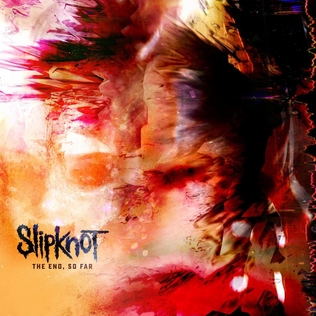
was surprised to discover this is the band’s third No.1 album on these shores. I never appreciated the band and used to call them microphone abusers until a lad named Michael told me to listen to Corey Taylor over a slow ballad with another band he was in called Stone Sour. I was impressed with his vocals and realised he could do more than the growl. That was when I started to give this kind of music a chance, and it seems then I have come to like Mastodon, Pantera, Avenge Sevenfold, Alexisonfire, Megadeth and Killswitch Engage. I forgot to say Cradle of Filth from England, who I thought was fictional as Richmond Avenal from the IT Crowd, was a fan. I felt that being television, Graham Linehan and Arthur Matthews made them up. Also, watching documentaries on bands like Mastodon took away my stereotyping because they are just regular people who love music. They are not satanic worshippers or goths.
Of course, as you would imagine, with Slipknot being a heavy metal band, most of the record is of that nature. However, there are slow ballads and even moments of space rock. The latter I would never have thought they would venture into. The lead single is ‘the Chapeltown Rag’, which sounds like Mastodon blended with Queens of the Stone Age. I found this album lighter than their previous ones; not a bad thing because we get to hear Corey Taylor’s sweet vocals to their full potential. I found some longish intros and outros that lasted about a minute with various sounds, like Corey playing the toy piano on the outro to ‘the Dying Song’. We all talk about great drummers like the late Ginger Baker, Buddy Rich, and Taylor Hawkins. However, some sensational drummers are in heavy metal, metalcore, and death metal. Jay Weinberg demonstrates that on ‘Hivemind’. If you picture it, his feet are working overtime on the bass drum.
‘H377’ is full of rage, with Corey attacking being a product of the system over a fast-paced instrumental synchronising with the anger in his vocals. ‘Medicine for the Dead’ also starts with the same tempo before heading into space rock.
However, you probably won’t be surprised to discover my standouts were the opener and the closer. ‘Adderall’ is a quiet beginning to the album with beautiful vocals by Corey over a smooth groove that reminded me of Fun Lovin Criminals. The final track, ‘Finale,’ starts with an acoustic guitar before Corey sings angelically over electric guitars and a choir.
The most experimental on the record, though, has to be ‘Yen’, a slow-tempo track with vocals to lure you in before the song explodes into the chorus.
I enjoyed listening to ‘the End, So Far’ and recommended it to a once devoted fan. I found it lighter and, therefore, more ear-friendly than their usual material. The songs were not what I expected from Slipknot. I suggest to those who are ignorant about them (Like I was.) to give it a listen. You will be surprised. I want to end with Corey Taylor is a fucking fantastic vocalist.
Song recommendations: ‘Adderall’, ‘Finale’, ‘the Chapeltown Rag’
have no idea where I first heard Robbie Williams. Take That appeared out of nowhere in the 90s and became extremely popular without a steady rise. I don’t mind some of Robbie’s work since he decided to go solo in 1997, which started with the indie-inspired ‘Old Before I Die’. I love that song, but Robbie isn’t too keen on it when you read his 2016 autobiography “Reveal”. He appears to hate it with a passion. I used to love hearing it on the radio, on television or on the jukebox at the local Riley’s snooker club. It epitomised the whole indie revival movement during that period. I am surprised by his submission because after being discarded by the Gallagher brothers, he said in his book, it didn’t deter him from liking Oasis, and he enjoys a lot of indie music. I don’t fucking care if some of you are smirking at me reading his book, it was an intriguing read, and you get to know the honest Robbie and not the one slaughtered by the media. So, my initial plan was to listen to the new tracks on “XXV”, but he had other ideas. Yes, it is his greatest hits, but not in their original guise. The songs have been reimagined with Jules Buckley conducting an orchestra, and there is even a Beethoven version of ‘Angels’. That’s the introduction over; now to the review. I have elected to analyse each classic and new song track-by-track.
Let’s begin:
Let Me Entertain You:
No one can forget this beast of an anthem with its rock attitude. When this was recorded, the La’s and Lightning Seeds drummer Chris Sharrock was drumming for Robbie. Of course, Chris would go on to join Robbie’s friends Oasis, Beady Eye, and his least favourite Gallagher brother Noel Gallagher’s High Flying Birds. The song carries on in the same vein, but the horns and choir bring that celestial finish to it. Already I am impressed.
Come Undone:
A friend had this on a Now That’s What I Call Music compilation in 2003, and I was reading the footnotes. Tupac Shakur inspires this song. I was shocked to hear this because I don’t hear any references to Pac in the song. On a side note, Robbie and Pac met in 1995 at the Versace birthday party. They both shared a joint, and they got on almost immediately. Pac didn’t know about Robbie’s portrayal by the media and didn’t seem to care either. They shot the shit about life and, for a brief moment, became friends. Has the song improved much since the original? Only slightly. Not much to write about.
Love my Life:
In the book, Robbie said he wrote this for Theodora(his daughter.) to tell her never to forget to love your life despite what others might say about you. Again, the orchestra lift this song to another level; to be honest; it is fit for the West End when they do a musical on Robbie.
Millenium:
There was no point in tweaking this track. It doesn’t enhance it, as the original already has a stringed section. I believe it was pilfered from a James Bond theme song. He was better off not bothering to rework this one.
the Road to Mandalay:
Again, a pointless rework. The original is better.
Tripping:
For the third time in succession, the track didn’t need necessary work. I am sure this one catches your attention by starting off with a reggae vibe before returning to the familiarity. You feel cheated when the reggae falls away after the introduction. I’d have preferred a reggae vibe on the rework, in all honesty. I cannot recall a single track where Robbie has done reggae.
Bodies:
I’ve never been a fan of it, and the rework didn’t do much for me.
Candy:
Jesus. This song made me cringe when it came out, and still makes me cringe now. Robbie is better than bubblegum pop.
Supreme:
Again, I believe another song pilfered from a James Bond film. I didn’t feel a rework was necessary. I mean, what could Jules have possibly done to improve it? The original has an orchestra. There are, however, female backing vocals. Still didn’t do much to improve, though.
Strong:
Again, Robbie puts on his indie head in the original, and to be honest, there is not much difference between the XXV version and the original. It’s a photo finish which is better.
Eternity:
Just like ‘Strong’, there isn’t much difference in both versions.
No Regrets:
My favourite track off “I’ve Been Expecting You”, and it has to be the original that will remain my favourite. He tries to make this more upbeat when the original is melancholic, which fits with the concept.
She’s the One:
I love this cover of World Party’s track, even though the original is much better. It was a nice nod to World Party, but Karl Wallinger has said on many occasions he now hates performing the song and that Robbie ruined it for him. In the book, Robbie mentions how through a third party, Karl said, “When you see him, tell him he’s a cunt”. If Karl hated the original cover, he isn’t going to be too fond of the XXV version, either. However, I believe the majority will agree with him this time.
Feel:
I was not too fond of it then, didn’t like it when Peter Schmeichel played on it live, and I still don’t like it now.
Rock DJ:
When this came out in the summer of 2000, I liked it. Then, it was played to death, so I stopped listening to it, and as I got older, I could not stand it. Even listening to the rework was too much.
Kids:
I loved this when it came out in the autumn of 2000, with its rock attitude and the collaboration with Kylie Minogue. Kylie features in the rework. Again, a photo finish of which one is best.
Angels:
The original pisses all over this. Do look out for a surprise later on, though.
Lost:
Now, we have come to a brand new track. It was made for this album. Yes, I know it was actually made for this record, but what I mean is it’s a perfect fit. The orchestra musicians compliment each other.
Nobody Someday:
An acoustic guitar accompanies Robbie’s vocals, accompanied by a soft choir. A vast improvement on the original.
Lazy Days:
The original itself was lazy instrumentally and vocally. The rework brings it to life—the orchestra playing a pivotal role.
Hot Fudge:
I never liked it and still don’t.
Sexed up:
Again, I wouldn’t say I liked the original, and my concentration wavered on this one.
More than This:
Another brand new song. Once again, it is a perfect fit, just like ‘Lost’.
Disco Symphony:
Another new track that does exactly what it says. I can see this one being played at parties and wedding receptions imminently. Very uptempo and very disco.
Better Man:
You’re better off listening to the original.
Home Thoughts from Abroad:
The Magic FM moment on the album. Although to be fair, the majority of the record will fit nicely on their playlists.
the World and Her Mother:
The final new track has the Robbie signature written all over it.
Into the Silence:
Again, another photo finish.
Angels (Beethoven AI):
This song is merged with Beethoven’s ‘Unfinished 10th Symphony’, and fuck me; it fits in perfectly. I never thought I would see the day when ‘Angels’ collaborates with ‘Unfinished 10th Symphony’. I was blown away when I heard it, and it fucking destroys the original. That was a very clever move by Robbie. This version is beyond space; it’s that good.
Song recommendations: ‘Angels(Beethoven AI)’, ‘Nobody Someday’, ‘Disco Symphony’
7/10
Why such an average rating, you ask? Well, because I prefer the originals.
I am going to do a brief track-by-track summary from Ed’s final album using mathematical symbols (Or so he says.):
Tides:
This track sounds akin to ‘Castle on the Hill’ from his previous and best album so far “, ÷“. I also felt it had a touch of Oasis, Sam Fender, and Bon Iver. You can tell by the subject that Ed has grown up as he talks about his family rather than being drunk or high on nights out. Some might say the title is aptly named as life has changing tides and our responsibilities become more.
Shivers:
This was the second single off the record and reached the top spot in the first week of release. This is more a track about Ed witnessing others having fun and enjoying life again as the world slowly opens up after the pandemic. The tempo is ideal for vibes on a night out with elements of uplifting dance.
First Times:
We became accustomed to this typical Ed Sheeran song before and after his debut album “+”. Ed once again picks up his acoustic Martin & Co Junior, telling fables about his life, from his success of playing out and controlling EE Stadium(Wembley)to his marriage to Cherry and the birth of his daughter. Strings accompany this gentle ballad, and has an Irish folk feel to it. After all, Ed grew up listening to the likes of Planxty.
Bad Habits:
Everyone wondered if Ed still had it after taking a sabbatical, but in the summer, he proved that when this track became the summer anthem. Originally, Ed had no plans to release this as the teaser, nor did he want it to play out as the record’s theme. However, Ed saw that people wanted to go out and enjoy themselves again after lockdown, so he tried to reflect that in the song.
Overpass Graffiti:
This uplifting track around synthesisers reminded me of Dua Lipa’s ‘Be the One’ from 2017. It even follows the same theme of Dua’s song: love. The track also has Bon Iver-Esque vocal overlays.
the Joker and the Queen:
This Piano ballad with strings about love reminded me of Bread’s ‘Make it with You’ and sounded briefly melodically like the Noisette’s ‘Never Forget You’. It also reminded me of the music in the 60s for some reason.
Leave Your Life:
Ed told Jools Holland that he wrote this song for his daughter so that she is always among his thoughts, even when he is on the road. It was also inspired after a close friend passed away. It features Ed beatboxing, a string sample looped during the verses., and how he remains faithful to his wife and daughter no matter how far away he is.
Collide:
It has shades of Jimmy Cliff’s version of ‘I Can See Clearly Now’ with its implementation of maracas and the drumbeat. There is a haunting keyboard effect, pan pipes. The sensation can be described as being under a waterfall in the African jungle, as Ed assures you everything will be okay. The outro brings in the piano. The track is a top-heavy production.
2step:
So far, Ed hasn’t rapped on the album until now, albeit he does it sparingly. This is like an Usher RnB beat with a looping guitar riff as Ed touches on love, the common dominator on the record.
Stop the Rain:
An acoustic track with electronic drums, a funky bassline and synths. Sounds a bit Latin too.
Love in Slow Motion:
Ed isn’t just driven by music anymore—an ode to his wife about making their marriage the utmost priority in his hectic life. The song features a mandolin and his trusty acoustic friend. The track sounds like a combination of the Goo Goo Dolls ‘Iris’ and the Corrs’ ‘Falling in Love’.
Visiting Hours:
Ed wrote this about his late friend, mentioned under ‘Leave Your Life’ by Michael Gudinski. Ed lets out his raw emotion as he laments that he won’t be able to share future experiences with his friend and that he wishes there were visiting hours in heaven to update Michael and still see him. Again, the song features acoustic accompanied by piano with a choir during the chorus, strings at the breakdown, and horns and synths.
Sandman:
I imagine this lullaby was created as a song to send Lyra to sleep instead of him reading her a story. The lyrics are delightful, with dreams of those beautiful things we let our vivid imaginations run away with as children. For example, Ed says, “A Snowman made of ice cream”…I mean, we all had mad dreams like that. The track features a xylophone (usually used for lullabies.), a ukulele, a tropical beat, strings and a music box. You can’t get any more lullaby than this.
Be Right Now:
The closer has pulsating drums, electronic piano, synths, and a New Order/Peter Hook-Esque bassline, and as it reaches the chorus, the tempo speeds up and sounds like a track by Georgia.
Okay. I lied. It could have been a more brief summary.
Song recommendations: ‘First Times’, ‘Visiting Hours’, ‘Love in Slow Motion’
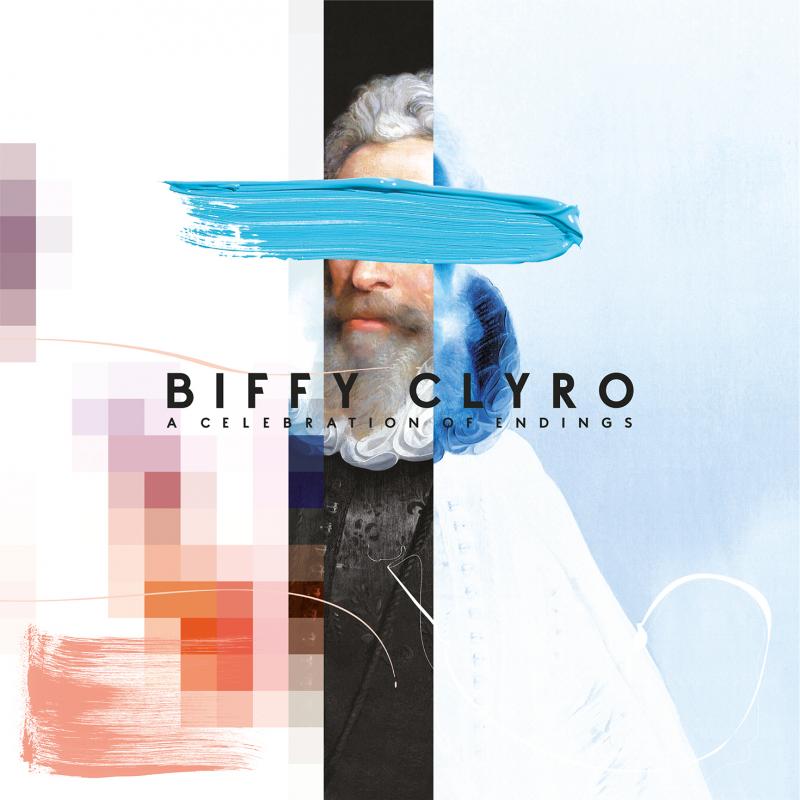
Upon doing my research, I was astonished to discover that the band from Kilmarnock, Ayrshire, has been around since 1995, with their debut album “Blackened Sky” released in 2002. I didn’t know of them when the 2008 single “Mountains” was their first to break into the top ten of the singles chart. I only started to know of them after their 2009 album “Only Revolutions” and singles called “Many of Horror” and “the Captain”. Indeed, I was taking my mind off a particular personal matter and helping out a mate DJing and going clubbing, and Biffy Clyro was played almost anywhere I went back in 2010. They have constantly reminded me of A Day to Remember and Alkaline Trio, albeit with an American sound mixed with original Scottish vocals. Since then, their stock has risen, and they are regulars on the festival scene.
This is their ninth studio album, and they were only well-known in the mainstream after 2008. When you listen to this record, you can recognise straight away that you are listening to Biffy, albeit they have given new hope to budding musicians (Especially guitarists and guitar bands.) to show that guitar music is still alive and, therefore, will encourage people to play the instrument still. They have decided to go experimental, too, which is always a good idea for music; it’s always good to freshen up your ideas and sounds. “Celebration” is a testament to that. I never have and never will believe that guitar-based music is dead. From what I see and hear upon discovering new music, it tells a very different story to what the critics have you believe.
“North of No South” opens the album and is gargantuan in sound. It starts with a ferocious tempo that, for the majority of the record, features heavily with crashing drums, rapid guitar riffs, dramatic orchestral sounds, and angelic choirs. “The Champ” is the only reflective moment with this fable of a relationship falling apart wrapped around a piano ballad, and “Space”, which you can see is the moment the phones are held aloft when the band finally get to tour this album to an audience in packed out arenas, stadiums, and festivals.
As the album ends, we enter “Cop Syrup”, which is six minutes and the longest track on the record, with just seventeen seconds of the hidden track “Less is More”, where Simon Neil sings a bit before the song ends. The first six minutes felt like listening to Tame Impala with its psychedelic and experimental feel. If I didn’t know I was listening to Biffy, I would think it was Tame Impala playing an instrumental track. It’s quite refreshing to hear that material by Biffy because it isn’t what they are known for and might indicate the next project.
Song recommendations: “North of No South”, “Celebration”, “Cop Syrup”




 Honest Opinions