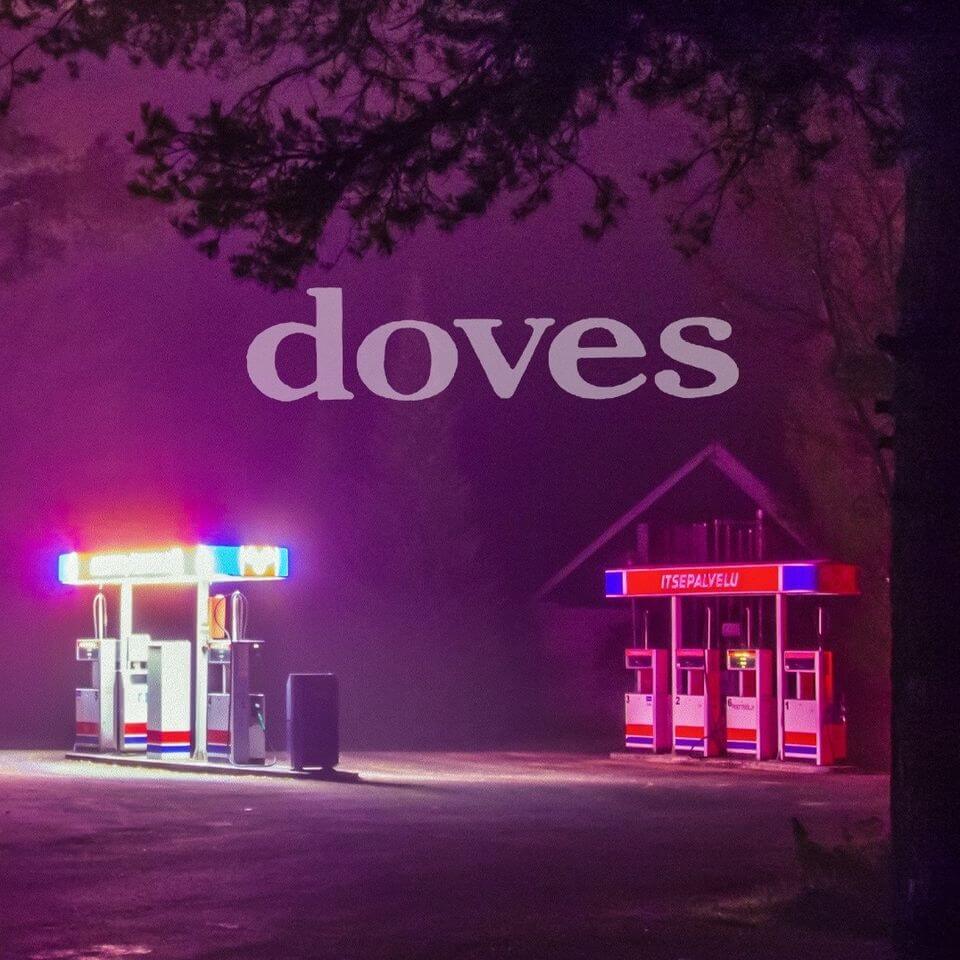
Week Thirty-Eight: Doves-Universal Want

My first experience (Knowingly.) hearing the band from Manchester was while I was playing FIFA 06 in October 2005 when “Black and White Town” came on the official soundtrack. Not my favourite of theirs, but it did pique my interest and made me want to check them out. I was probably intoxicated at the time, but I had heard them three years back on Later…with Jools Holland, even before then, if I am being honest. Their songs “Cedar Room” and “There Goes the Fear” were everywhere, from radio to television adverts. Those two being my personal favourites of theirs. Not forgetting their acid house classic “Ain’t No Love (Ain’t No Use)”. Pardon? Yes, that’s correct. Doves started as Sub Sub in 1991 until 1996, when they worked with New Order’s Bernard Sumner. Since then, the members of Sub Sub decided to change direction with their sound and formed Doves in 1998, just after releasing “Delta Tapes” as Sub Sub.

Anyway, this is their fifth album after eleven years on a break, which initially was supposed to be the end of the band after 2009’s “Kingdom of Rust”. Jimi Goodwin even suggested during a gig in 2010 that it would either be one of their last or their last. But he was constantly dropping hints that maybe it wasn’t the end of Doves, a bit like the Stone Roses (Fucking hell. That’s the fourth Manchester band mentioned so far.) it looks like they have split again, but there is no confirmation on the official site or any announcement made. It’s just like Ian Brown with a cryptic quote, but he wants to concentrate on his solo career now. Jimi had been dropping these hints for six years and leaving cryptic messages via social media that maybe Doves were returning. And this year, they announced a string of gigs supporting various artists, but no mention of a new album that features the production of Dan Austin, who did their previous album. This one has been recorded at Frank Bough 111 Studios.

Now, I will do something different than usual with these reviews and do a short but sweet track-by-track review. Kind of a summary, if you will:

Carousels: Reminiscing about childhood experiences, especially at fairgrounds.

I Will Not Hide: Great vocals with a spine-tingling guitar solo. It’s very psychedelic over chill-out style music.

Broken Eyes: Doves, the Smiths, and Toploader. Save for Toploader, it is that typical Manchester sound.

For Tomorrow: Inspired by Portishead with the trip-hop.

Cathedrals of the Mind: a Hymn-like anthem dedicated to the late David Bowie.

Prisoners: Funk with remnants of “Black and White Town”. One that is ready for their setlist for when they go back on tour.

Cycle of Hurt: Returning to their debut album “Lost Souls” in 2000 with this ballad.

Mother Silverlake: An autumnal track that is very much country funk.

Universal Want: A segmented track that goes from acoustic guitar back to their acid house days and into old-school techno.

Forest House: A mellow ending.

Song recommendations: “Broken Eyes”, “Prisoners”, “Universal Want”

8/10
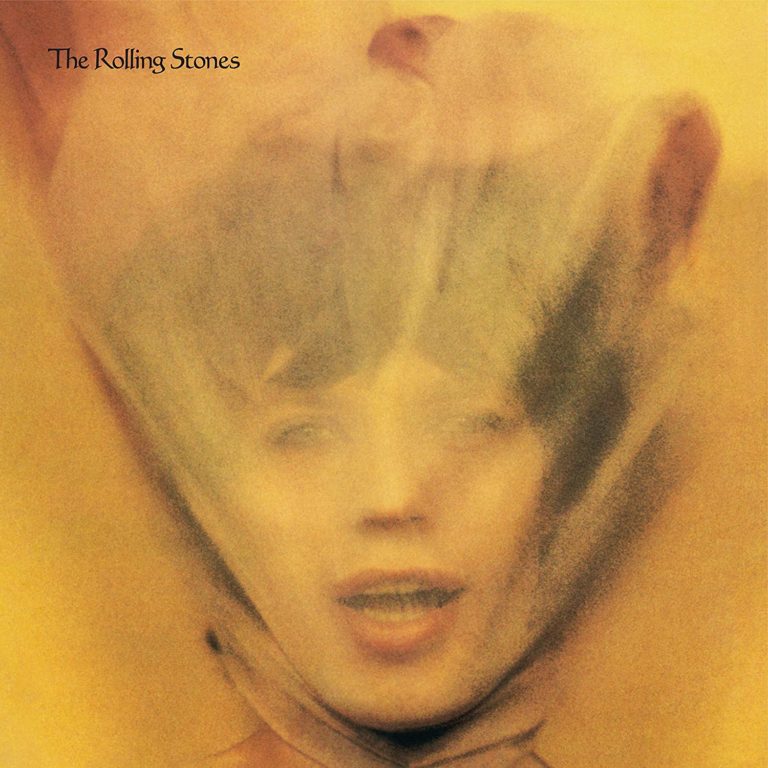
Week Thirty-Seven: the Rolling Stones- Goats Head Soup 2020

I have always liked the Rolling Stones more than the Beatles because the Stones’ sound is a lot edgier and has more attitude than 12-bar blues. It’s ironic when you consider the Beatles wrote a track for them that set them on their way. Anyway, this particular record has never been loved by the critics, so being typical rebels, what do they do? They reissue it for the Compact Disc, Digital Versatile Disc, and Download age. 

Of course, from 1968 to 1972, the band were flying in terms of their success, which many have said they haven’t reached since, but they sell out on pretty much every tour and are still one of the most-watched bands live, so think on this “lack” of success what you will. All-in-all, they have released 26 studio albums spanning from 1964 to now.

Of course, “Goats Head Soup” was originally the 13th album released in 1973, and many critics said the record, which was a two-sided ten-track vinyl (five both sides.), lacked that edge the band was renowned for at the time. On another note, the album was named after a Jamaican aphrodisiac.

Of course, the biggest hit they garnered from it was “Angie”, which sounds just as good now it has been remastered, but if I’m being honest, the first disc didn’t capture my imagination because I heard it before in its original form.

The second disc, though, is where my interest picked up with its unreleased songs that I imagine were from the recording sessions and the featured remixes, especially the one by the War on Drugs. So, being typical Stones, they rereleased this record three years before its 50th anniversary, which most bands and artists would tend not to do, but not the Stones; they have always been rebels and done as they have pleased.

I enjoyed “Scarlet”, with Jimmy Page taking over from Keith Richards on lead guitar, bringing a sense of funk into it, not forgetting the contribution to the War on Drugs remixing it. Then, I was impressed with “All the Rage” and finally, the alternative mix of “Hide Your Love”. However, this reissue seems to be for collectors only, I feel. 

A third disc features the performances from the “Goats Head Soup Tour” at the Forest National Arena, Brussels, Belgium from both of their shows. I wasn’t fussed about listening to that as I have heard the band many times performing live, so I wasn’t expecting anything I hadn’t heard before.

Song recommendations: Disc two only: “Scarlet”, “All the Rage”, “Hide Your Love”

7/10

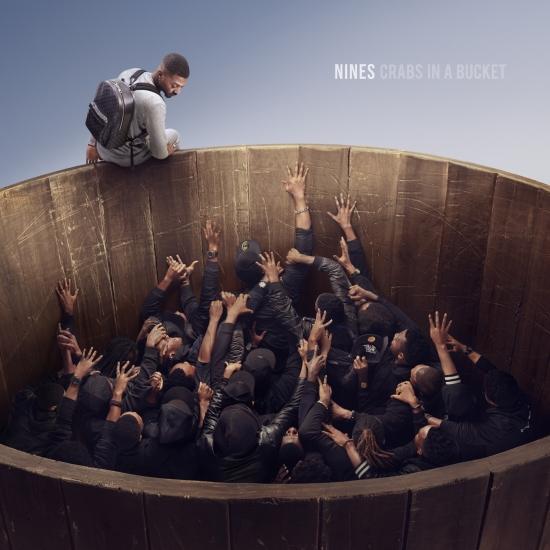
Week Thirty-Six: Nines- Crabs in a Bucket

I have to admit that I don’t know much about him apart from an incident in Harlesden last year when someone mentioned it in conversation and asked if I knew of him or his music. Anyway, I highly recommend listening to his album because there are some fascinating and gritty stories about his life with some tremendous wordplay chucked in. The album suggests that he is a rapper rather than an MC, of which I wonder if he has ever been the latter in the sense of grime, drill, or garage.

Nines captures your attention from the first track with his best introduction to date out of his previous two albums plus mixtapes. The track features a piano accompanying a horrific story about his father’s cancer diagnosis, seeing his friends getting sent down for life, not having material ready to give to major labels, and declining to appear at several festivals. He also yearns for freedom from that period, and how he feels trapped despite his current success. This isn’t just any old intro; this is an intro where the artist reveals, in this case, Courtney Freckleton rather than just Nines. “Intro” just blew my mind, and I have to say that I think it is up there as one of the most revealing tracks I’ve heard from an artist.

I also discovered that Nines is no small-time player in the game within the confines of the UK hip-hop scene, and that shows with the various features on the record who are the major players. Again, the contributing artists used impressive wordplay and told stories to make your ears prick up.

Much of the album uses samples from various hip-hop classics, mainly from America. He even chucks in a few 2Pac bars from his 1995 “Me Against the World” track. I believe the track in question is called “Lights” and uses the sample of Kool & the Gang’s “Summer Madness”.

As you know, I can’t stand interludes because they are often just throwaways, but there’s something about “Stalker Interlude”. Yes, it starts with Nines receiving a phone call from some next crazy woman asking why he hasn’t answered her fifteen calls. Still, he starts talking about the trials and tribulations of being caught up with women who act this way and even says to the lady in question that she’s a gold digger, but she isn’t the only one this song is aimed at. He talks about those who only want him as a boyfriend for his status and money and how he had problems with younger women and even posh women. An interlude I will listen to again and again. 

“All Stars 2” impressed me not just for Nines but for the story Clavish delivered, where he boasts about being on a Nines album when all others had doubted he was even worthy to appear on his mixtapes, let alone one of his albums. It’s a friendly little reminder for his haters to hear for eternity.

The album ends with no surprises: “Outro”, and just like “Intro”, it is every bit as compelling with the storytelling. Here, Nines addresses that he was once one of many crabs in a bucket and is now in high-profile business meetings. It is pretty refreshing to hear that even though he is now a made man, he still keeps it 100 by still living in Harlesden, rather than leaving at the first chance like one of his friends did.

Of course, there are drawbacks to the record; I especially hate using the dreaded autotune, so I didn’t listen to seven of the tracks. Despite that, “Crabs in a Bucket” offers more than his previous two albums, as Nines remains on the same topic throughout—his life. The listener discovers more than just his alter-ego, and it is always great to hear a rapper talk about their life outside of the business and what they have experienced and are like, from their strengths to their weaknesses to their vices.

Song recommendations: “Intro”, “Lights”, “Stalker Interlude”

8/10

Week Thirty-Five: the Killers- Holding the Mirage

Here is a track-by-track review of the band’s sixth studio album:

My Own Soul’s Warning:

This is the first track I heard off the album while I tuned into Absolute a few weeks before the album was released. It is a slow-building track that bursts into a traditional Killers wall of sound. You can never forget the sound for that reason alone. The fable is quite religious, and what happens when you start questioning its validity? 

Blowback:

I remember while listening to this track if there is a deliberate drug reference behind the title. Because we all know when you partake in doing a blowback. However, the subject is altogether very different. It is about a lady trying to forget the past and move on but keeps getting blown back to times she would rather forget. Brandon Flowers has shown his ability to compel you with his lyrical content and stories. As the song draws to the end, two men appear to discuss the lady and how one has strong feelings for her, but the other man asks if he is willing to stay when the past creeps back in.

Dying Breed:

Brandon goes for it on this song, especially in the chorus, as his vocals grow in volume. A typical Killers track with all the synthesisers, et cetera. One to get the seating section up on their feet for a dance when venues are back to total capacity.

Caution:

The single promoting the album sounds like four bands rolled into one song. The intro is very Tame Impala, the verses are the War on Drugs and Slowdive, and the chorus is the Killers. Once again, the lyrical content and the story draw you in. There’s even an appearance by Lindsey Buckingham on the lead guitar. The story is about rolling the dice and throwing caution to the wind regardless of the consequences because you don’t want to regret missed opportunities.

Lightning Fields:

For the second track in succession, there is a feature in the form of K.D. Lang, and it works because her heartfelt vocals add to the whole aspect of the song. This is Brandon’s ode to his mother. As I said, it is Lang’s vocals that stand out over a typical Killers track that is inspired by the 80s. (It is hard to believe that when their debut was released, they were dubbed the American version of Oasis.).

Fire in Bone:

There is a bit of experimentation for the band here as they try doing funk. This reminded me of the prodigal son story from the holy bible, where you are forgiven for your wrongdoings upon your return. I especially love the lyrics, which thank the person for being there when they thought they were alone. It is also a reminder that only some of the time do we need to make it out of the dark without help and can confide in others. This is Brandon once again telling his wife that he’s always going to be there and she doesn’t have to suffer from her mental illness in silence. This could be a track that wasn’t quite good enough for the previous album, but Brandon felt that its unique beat and storyline fit perfectly on this record.

Running Towards a Place:

What with the biblical story on the previous track and the ongoing theme of religion, this album is very much invested in faith, and it’s no different on this track. Brandon could be a religious Mormon, but I am unsure. But on this track, he wants to believe that heaven and hell exist and to go to heaven and take the people he loves and cares about. Brandon has done a lot of soul-searching during the production of the record.

My God:

Weyes Blood’s vocals complement Brandon’s beautifully over what I can only describe as a hymnal rock (Does that genre exist? Surely, it must do?). I know that Brandon talks about being relieved that something weighing him down has now been lifted and wants to celebrate that fact. It might be again about his wife and how talking to her and dedicating a whole album to her mental health has made him understand and become a better person and husband.

When the Dreams Run Dry:

This appears to be a follow-up to “Running Towards a Place” with the theme of getting to heaven but aimed more at the pop market and seems to be the sole pop track on the entire album.

Imploding the Mirage:

The album closes with the title track and is appropriately upbeat—the best way to complete any record. You want the listener to have enjoyed the experience and leave them washed with euphoria as the last song fades out. Brandon talks about how he first locked eyes with his wife and how their opposite personalities were worth the danger of combining—a superb way to end another magnificent album.

Song recommendations: “Holding the Mirage”, “My Own Soul’s Warning”, “Caution”.

9/10

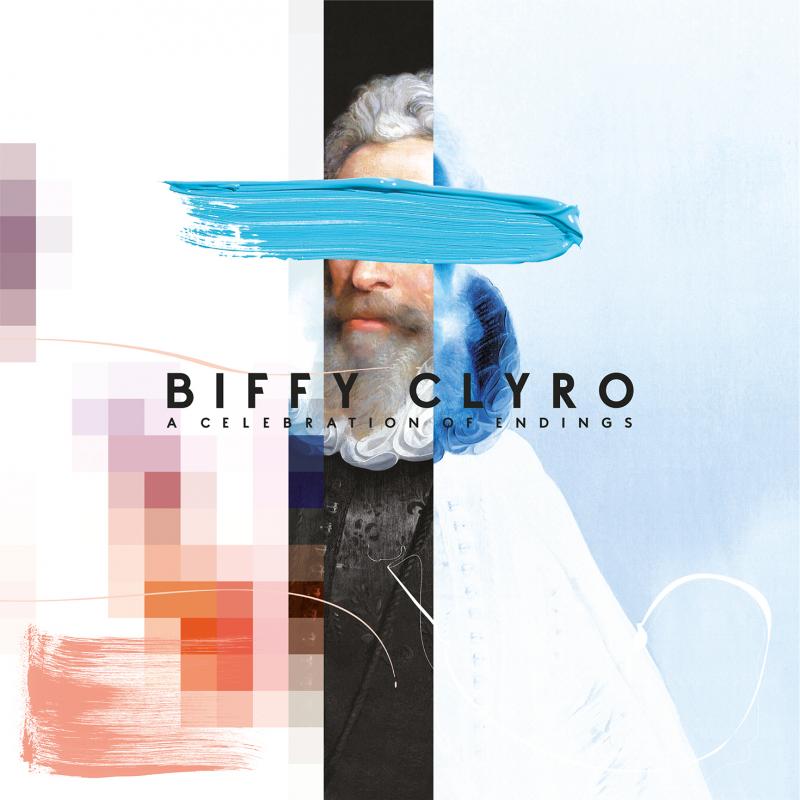
Week Thirty-Four: Biffy Clyro- a Celebration of Endings

Upon doing my research, I was astonished to discover that the band from Kilmarnock, Ayrshire, has been around since 1995, with their debut album “Blackened Sky” released in 2002. I didn’t know of them when the 2008 single “Mountains” was their first to break into the top ten of the singles chart. I only started to know of them after their 2009 album “Only Revolutions” and singles called “Many of Horror” and “the Captain”. Indeed, I was taking my mind off a particular personal matter and helping out a mate DJing and going clubbing, and Biffy Clyro was played almost anywhere I went back in 2010. They have constantly reminded me of A Day to Remember and Alkaline Trio, albeit with an American sound mixed with original Scottish vocals. Since then, their stock has risen, and they are regulars on the festival scene.

This is their ninth studio album, and they were only well-known in the mainstream after 2008. When you listen to this record, you can recognise straight away that you are listening to Biffy, albeit they have given new hope to budding musicians (Especially guitarists and guitar bands.) to show that guitar music is still alive and, therefore, will encourage people to play the instrument still. They have decided to go experimental, too, which is always a good idea for music; it’s always good to freshen up your ideas and sounds. “Celebration” is a testament to that. I never have and never will believe that guitar-based music is dead. From what I see and hear upon discovering new music, it tells a very different story to what the critics have you believe.

“North of No South” opens the album and is gargantuan in sound. It starts with a ferocious tempo that, for the majority of the record, features heavily with crashing drums, rapid guitar riffs, dramatic orchestral sounds, and angelic choirs. “The Champ” is the only reflective moment with this fable of a relationship falling apart wrapped around a piano ballad, and “Space”, which you can see is the moment the phones are held aloft when the band finally get to tour this album to an audience in packed out arenas, stadiums, and festivals.

As the album ends, we enter “Cop Syrup”, which is six minutes and the longest track on the record, with just seventeen seconds of the hidden track “Less is More”, where Simon Neil sings a bit before the song ends. The first six minutes felt like listening to Tame Impala with its psychedelic and experimental feel. If I didn’t know I was listening to Biffy, I would think it was Tame Impala playing an instrumental track. It’s quite refreshing to hear that material by Biffy because it isn’t what they are known for and might indicate the next project.

Song recommendations: “North of No South”, “Celebration”, “Cop Syrup”

8/10