
Week Thirty-Two: Fontaines D.C.- A Hero’s Death

I remember hearing about the buzz of this band from Dublin a few years back from some folks I follow from Scotland on Twitter, so I first assumed they were an up-and-coming band from Glasgow or Edinburgh. Imagine my surprise when I finally listened to one of the many videos shared on that platform via YouTube. The track, funnily enough, was also the title of their debut album “Dogrel”. I have to say, I loved the energy, but the lyrics were…beyond basic. Their lead vocalist, unfortunately, didn’t impress me much, and I wondered what was the point of having Grian Chatten in the first place. His vocals sounded like a drunk punter slurring through a song on the karaoke machine. Despite that, his flat vocals work pretty well in the punk genre. Let’s face it: Johnny Rotten was hardly blessed with amazing vocal ability. I can’t think of many punk vocalists who can sing. Billie Joe Armstrong, maybe? After hearing the title track, I gave their debut album a full listen and was impressed with the picture they painted of their beloved Dublin City. I found the album had more structure lyrically than just that one song. Even if you’ve never been to Dublin or Mother Ireland, you have a good idea of what life is like from “Dogrel”. As much as I have never found the lyrical content impressive, I appreciate the energy the music provides; it is a bit like IDLES. There are minimal lyrics but fantastic energy in the instrumentation.

That’s enough brief history on the band and their debut; let’s review their second and latest album, funnily enough, also named after the track “A Hero’s Death”. They didn’t bother relying on the success of “Dogrel”; as you can imagine, they decided to intentionally head into another direction with the whole instrumentation and lyrical content. After all, writing about living in Dublin becomes quite challenging when you last visited before being on the road to promote your previous work. Grian has said that the band would have felt like they were frauds talking about life in Dublin again, as they haven’t been there much to experience it the past year, and therefore, it wouldn’t be fair on the listener to buy an album, which didn’t represent anything

authentic, thus making the listener lose interest in the band.

Instead, the band has talked about the places they have been on the road and what they have experienced and seen. As you can imagine, life on the road isn’t always sweet when you’re constantly sharing space on a tour bus, and this album certainly shows that as it discusses their excessive drinking, loneliness, depression, and fighting with each other because you are sick of the sight of each other during a long and arduous tour. I recommend a good documentary on life on the road and how this is depicted perfectly. It’s about Keane, so go and look online or buy their DVD. This album is more downbeat and lacks the energy of “Dogrel”, but I suppose that would always be the premise to replicate their mood on tour. For example, “Living in America” is very slow and melancholic. Then the tempo is switched up on “A Televised Mind.” the latter is not great lyrically, but you can feel the energy from the rhythmic pulsing of the guitar and the thumping bass of the drum. Once again, the title track is minimal with its lyrics (I believe, from what I remember hearing, it just repeats “Life isn’t always empty” for the duration?), but the instrumentation does it justice.

The band does not apologise for their change in direction and even know they may lose fans by not keeping in line with the debut. They even acknowledge that some people will be disappointed with the second record, but unfortunately, life has changed, and this is who they now are, so they cannot write songs about living in Dublin anymore. In fact, “A Televised Mind” is a dig at those who want to be appeased. “A Televised Mind” seems to be about people stuck in their ways and refusing to accept change. It is like some Oasis fans who can’t take that Noel does the music he wants to do.

Dan Carey’s services proved very successful on “Dogrel”, so the band chose him again. This time, as mentioned in this review, the sound would be very different in line with the band’s fresh outlook. The first record was very compact, but Dan gives more of the spotlight on the music this time, so you can fully appreciate Carlos O’Connell and Conor Curley on the guitars and Tom Coll on the drums. There is also room for ballads like “Sunny” with a gothic-like sound.

It is also worth noting to get the sound they wanted, and they were listening to quite a lot of the Beach Boys while they were touring stateside. The band wanted to make a record that wasn’t straight down the line, and that the Beach Boys heavily inspired “A Hero’s Death”.

As much as I liked the record, I am once again left unimpressed with the elementary lyrics that anyone could make up on the spot and the flatness of Grian’s vocals. Now, he is quite passionate about his profession, but it doesn’t come through in his studio performances and onstage performances. It’s quite sad. The music has the energy, albeit at times on this record brings it down, but Grian remains at the same tempo throughout. It is good that the band is willing to experiment so early in their career, but they are in danger of losing their identity, which accrued them fans. They must maintain sight of what made them unique, or they will fall into the generic bands they are frequently associated with.

Song recommendations: “Sunny”, “No”, “A Televised Mind”.

7/10
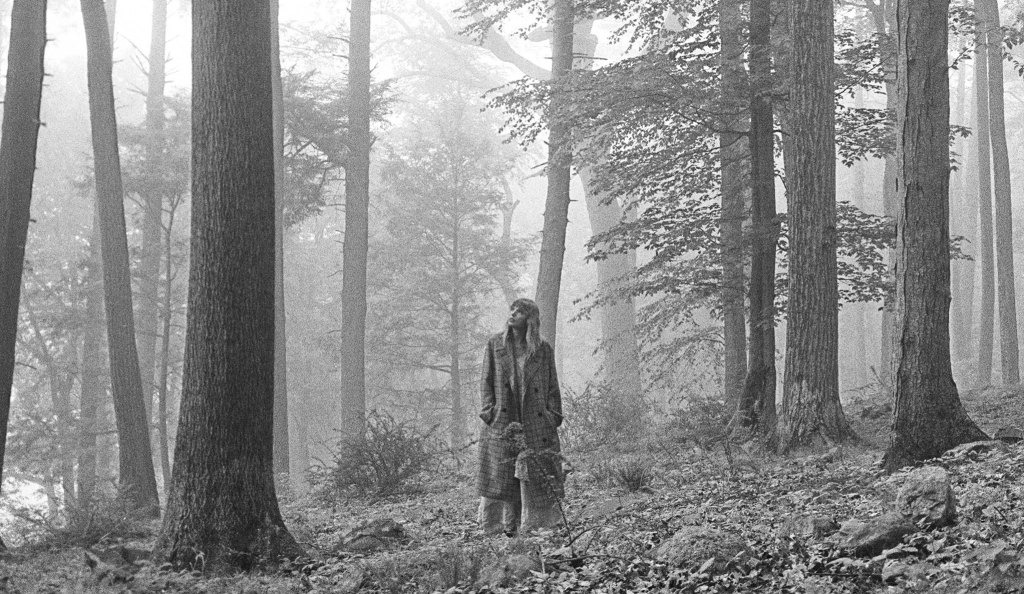
Week Thirty-One: Taylor Swift- Folklore

the 1:

The opening track is about a perfect scenario if someone from her past relationships survived the course and lived happily ever after, rather than the usual song about her pain of breaking up with someone, which most of Taylor’s songs have been the subject of. Once again, Taylor doesn’t hold back on her language; from that, you can tell that what’s in store for the rest of the record is pure honesty.

Cardigan:

This track was released as the album teaser, and the obligatory video was subsequently released on the same day as this album. This song is about Taylor about being done wrong in a past relationship by being cheated on. I say that because it is done from a first-person perspective, and I imagine that Taylor is talking about it and how she has learned from it and can now sense the signs to get out before getting extremely hurt. The vocals reflect the maturity of the topic, and she is not being overly aggressive or even shouting her vocals. When talking about such a subject, that shows great restraint.

the Last Great American Dynasty:

Wow, this is a highly controversial subject to touch on. Living in England, I cannot say how much this would piss off the American folk because it is just a touchy subject for me, but it wouldn’t rattle anyone in England and Europe when she is digging up the past. For Americans, this is very controversial. The subject of the song is the Rebekah and Bill Harkness scandal. Rebekah is a middle-class mid-western, and Bill is the heir to the Standard Oil fortune. Why is it controversial? Because their marriage caused an uproar 70-odd years ago. Another reason why Taylor wrote this is because she happens to live in their mansion in Rhode Island. This is her finest songwriting to date. It combines the story of the scandal, yet she manages to draw comparisons to her own life.

Exile:

The album’s first feature is a duet with Bon Iver’s Justin Vernon, where they both have various views on a breakup. The vocals fall in synchronisation with the piano.

My Tears Ricochet:

If you thought “the Last Great American Dynasty” was controversial, this is more controversial. Taylor doesn’t hold back as she takes a swing at the fucking idiots who somehow managed to stop her from regaining the rights to her masters for her first six albums (I believe one of the arseholes involved is Scooter Braun, as I saw it unfold on social media at the time?). It is a pretty sad song as Taylor is in her coffin, and I imagine Scooter turns up at her wake. This appears to be a metaphor that your enemies will destroy you and still dare to attend your funeral/wake to mock you even after death. I commend her for shining a light on the subject of how you can get fucked over in the industry and lose the rights to what is rightfully yours.

Mirrorball:

One of Taylor’s favourite subjects to touch on is her love and hate-affair with the fame she has amassed through her talent and the attention, whether wanted or unwanted, that unfortunately comes with the music and songwriting. However, this is the first time that she has spoken so candidly about that affair. She talks about how she wants to please people and adapt to their wants and needs from her.

Seven:

How ironic that the seventh track should be aptly titled “Seven”? The subject of this Folkstyle song is about a friend trying to protect her best friend who is deeply traumatised desperately. The lyrics suggest that the best friend lives in an unhappy home where her father constantly shouts at her. The friend trying to help her mentions playing pirates at her house to escape the brutal reality of her home life.

August:

As we approach the halfway stage of the album, we hear part two of where “Cardigan” left off. This time, from the perspective of the “mistress”, over a faster melody and vocals full of optimism.

This is Me Trying:

This is Taylor baring her soul by revealing how she is only human with her mistakes, doubts, trust issues, and failures.

Illicit Affairs:

It is nice to see a song on this record wrapped around a guitar with its witty lyrics and emotional feelings.

Invisible String:

Taylor is known for writing songs about her exes, but this track shows her devotion to her boyfriend, Joe. It is quite biographical and mentions how fate played a part in bringing them together.

Mad Woman:

The fable to this song is about a widow who was made an outcast in her town and took revenge on it, but there is a deeper, more personal meaning by Taylor here. Taylor is charming here by not going directly to the issue she addresses. This song is hidden within a metaphor, but through the raw emotion in her vocals, you know that she is extremely pissed off with what the real issue is at hand here. This track seems aimed at all the misogynists who have made her life hell.

Epiphany:

This track is split into three subjects. Verse one is about her granddad’s post-traumatic stress disorder he suffered while serving in the US Army in World War II. Verse two is about those in the medical profession currently dealing with the pandemic, which has made their jobs both a risk and a living hell, and the chorus fuses both of these subjects and portrays her granddad and the medical professionals as American heroes. My only issue with this powerful song is it might lose its meaning with the production, which was Taylor opting for a Hymn.

Betty:

This track is done from the perspective of a male named James, where he takes a feminist view and says the man brought it all upon himself for cheating even though he is now feeling guilty and heartbroken that the woman in the subject of the song has moved on and found someone better. What’s more refreshing about this is that James takes the feminist view rather than confiding in another male.

Peace:

This song is dedicated to Joe, but Taylor asks if she will ever be enough for anyone when you consider her lifestyle and all the attention that comes with it. The sincerity in her vocals shows she is extremely passionate about the topic.

Hoax:

Seeing an album end on such a dark and sour song is very unusual. This track explores the impact of a toxic relationship but with reflection rather than anger. It’s a beautifully emotional song.

Song recommendations: “My Tears Ricochet”, “the Last Great American Dynasty”, “Hoax”.

9/10